
Sunset bells (Chrysothemis pulchella)
Also known as: Copper leaf, Squarestem
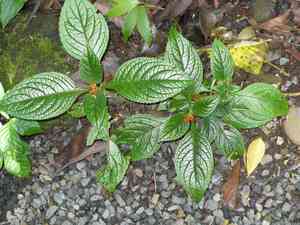
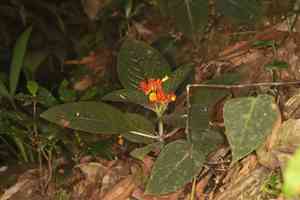
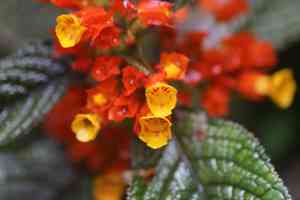
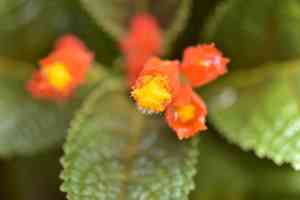
The sunset bells plant (Chrysothemis pulchella) gets its name from its striking flowers, which feature a vibrant blend of red and yellow. The inner yellow part of the flower is short-lived, lasting just a few days, while the red outer calyces endure for a longer period. The plant's leaves are large, dark green with hints of purple, enhancing its overall visual appeal.
In This Article
Attributes of Sunset bells
Lifespan
Perennial
Plant Type
Herb
Plant Height
50 cm
Spread
20 cm to 30 cm
Leaf Color
Green Brown
Flower Size
2.5 cm to 5 cm
Flower Color
Yellow Orange
Images of Sunset bells
Quickly Identify Sunset bells
1
Chrysothemis pulchella can be identified by its thick, wrinkled, ovate leaves with a distinct dark green color and reddish veins. The plant produces tubular flowers which have a striking orange or yellow hue with red or dark brown markings.
Scientific Classification of Sunset bells
Phylum
Vascular plants
Class
Dicotyledons
Order
Lamiales
Family
African violet
Genus
Khrysothemis
Species
Sunset bells
Planting and Growing of Sunset bells
Care Difficulty
Easy
Watering Schedule
Every 4 days
Sunlight Requirements
Partial sun
Sunshine Duration
4-8 hours
Ideal Temperature
68-75℉
Soil Type
Potting Mix, Peat Mix
Soil pH
6.5-7.5
Fertilizer Type
Balanced
Pruning Season
Spring, Summer
Pruning Area
Branches, Leaves
Pruning Frequency
2 times a year
Repotting Season
Spring
Pot Type
Plastic, Ceramic
 How to Water Sunset bells?
Chrysothemis pulchella requires moderate watering. Ensure the soil is consistently moist but not waterlogged. Water until the topsoil feels moist to a depth of about two inches, which typically requires around 200 ml of water per session.
More About Watering Techniques→
What are the symptoms of an underwatered Sunset bells?
›
What should I do if my Sunset bells is not getting enough water?
›
What are the symptoms of an overwatered Sunset bells?
›
How to save an overwatered Sunset bells?
›
 What Are the Sunlight Requirements for Sunset bells?
Chrysothemis pulchella thrives best under partial sun or full shade routines. When facilitated with ideal lighting, it displays lush foliage and bountiful blossoms, enhancing its decorative and health attributes. Correct light positively influences growth dynamics and plant aesthetics.
More About Sunlight Requirements Techniques→
What is the ideal light condition for Chrysothemis pulchella?
›
How can I achieve ideal lighting for this plant?
›
What are the benefits of providing optimal light conditions?
›
 What Is the Ideal Temperature Range for Sunset bells?
Chrysothemis pulchella thrives best in temperatures ranging from 68°F to 75°F. This range provides the plant with the right conditions for robust growth and vibrant flowering. Maintaining this temperature ensures the plant is free from stress and can efficiently carry out photosynthesis and other physiological processes.
 What Soil is Best for Sunset bells?
Chrysothemis pulchella thrives in well-drained soil conditions to prevent root rot. This requirement ensures the roots get enough air and moisture without waterlogging, promoting healthy growth and vibrant blooms. The plant benefits from moderately fertile soils rich in organic matter. This provides essential nutrients, encouraging robust growth and enhancing the flower's color intensity. While well-draining, soil should also retain some moisture to support the plant's hydration needs. This helps maintain the plant’s lush appearance and sustains its tropical nature.
More About Soil→
 How to Fertilize Sunset bells?
For Chrysothemis pulchella, it is generally advisable to use a balanced fertilizer diluted to half strength. During the growing season, apply about 50-75 ml of diluted liquid fertilizer per application for a medium-sized plant. Ensure not to over-fertilize as it can lead to burnt roots and foliage damage.
More About Fertilizing Techniques→
 How to Prune Sunset bells?
Begin by sterilizing your pruning shears to prevent infections. Identify and remove dead or damaged stems at the base to promote new healthy growth. Trim back leggy stems to encourage a more compact shrub. Aim to remove no more than one-third of the plant in a single pruning session. This practice ensures the plant has enough foliage to continue photosynthesis effectively.
More About Pruning Techniques→
 How to Propagate Sunset bells plant?
1
Select a well-draining potting mix suitable for propagation. Fill small pots or seed trays with this mix, providing a gentle pat down to establish a firm growing base. Ensure there is adequate moisture without being waterlogged.
2
Using sharp, sterilized pruning shears, take 4-6 inch cuttings from a healthy parent plant. Ideally, cuttings should include a few leaves and be taken from non-flowering, vigorous stems to promote rooting success.
3
For seed propagation, sow seeds onto the moistened surface of the soil, lightly covering them if required. For cuttings, insert the cut end into the soil, firming it in place to ensure good contact with the soil.
 How to Repot Sunset bells plant?
1
Repot Chrysothemis pulchella when it shows signs of being root-bound, such as roots emerging from the drainage holes, or when growth appears stunted. Ideal times are early spring or early autumn when the plant is not in its peak growing phase.
2
Select a pot that’s one size larger than the current pot, usually 1-2 inches wider in diameter. Ensure it has proper drainage holes to prevent waterlogging, which can lead to root rot. The slightly larger size allows room for root expansion without overwhelming the plant.
3
Use a well-draining potting mix combined with perlite or sand to enhance aeration. This mixture prevents water retention that can suffocate the roots and promotes healthy growth by keeping the soil breathable and less compact.
Learn More About Sunset bells Diseases
Anthracnose
Bacterial Leaf Spot
Bacterial Soft Rot
Bacterial Wilt
Black Spot
Chemical Injury
Crown Gall
Damping-off
Downy Mildew
Drought Stress
Fusarium Wilt
Gray Mold
Leaf Curl
Leaf Spot
Mosaic
Nutrient Deficiency
Nutrient Toxicity
Powdery Mildew
Root Rot
Root-knot Nematode
Sooty Mold
Spider Mites
Temperature Stress
Thrips Damage
White Mold



