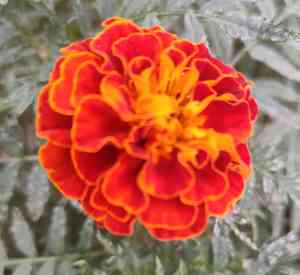
Damianita (Chrysactinia mexicana)
Also known as: Damianita, Chrysactinia
Damianita (Chrysactinia mexicana) is a drought-tolerant flowering plant native to Texas. It thrives in harsh environments such as limestone outcrops, desert plains, and mountainous regions.
In This Article
Attributes of Damianita
Lifespan
Perennial
Plant Type
Shrub
Plant Height
80 cm
Spread
30 cm to 60 cm
Leaf Color
Green Blue
Flower Size
1.5 cm to 2.5 cm
Flower Color
Yellow
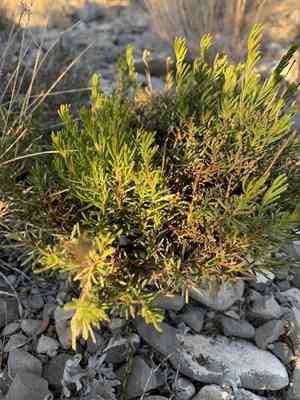
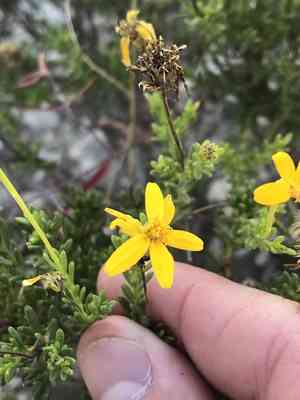
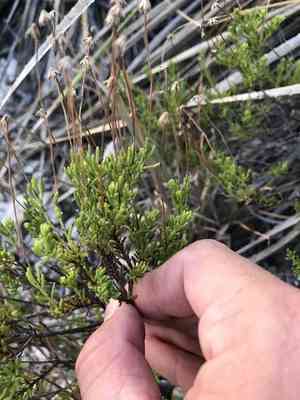
Images of Damianita
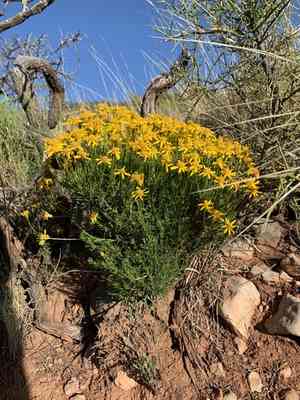
Quickly Identify Damianita
1
Chrysactinia mexicana can be identified by its small, aromatic, needle-like leaves and bright yellow, daisy-like flowers that bloom from spring to fall. The plant typically grows in rocky, well-drained soils.
Scientific Classification of Damianita
Phylum
Vascular plants
Class
Dicotyledons
Order
Asterales
Family
Daisy
Genus
Chrysactinia
Species
Damianita
Planting and Growing of Damianita
Care Difficulty
Easy
Watering Schedule
Every 2 days
Sunlight Requirements
Full sun
Sunshine Duration
4-8 hours
Ideal Temperature
65-75℉
Soil Type
Potting Mix, Peat Mix
Soil pH
6.5-7.5
Fertilizer Type
Balanced
Pruning Season
Spring, Summer
Pruning Area
Branches, Leaves
Pruning Frequency
2 times a year
Repotting Season
Spring
Pot Type
Plastic, Ceramic
 How to Water Damianita?
Chrysactinia mexicana, commonly known as Damianita, thrives with moderate watering. A single application of 500 ml per session is ideal, allowing moisture to reach the root zone while avoiding waterlogging. This mimics its arid native conditions and supports healthy growth.
What are the symptoms of an underwatered Damianita?
›
What should I do if my Damianita is not getting enough water?
›
What are the symptoms of an overwatered Damianita?
›
How to save an overwatered Damianita?
›
 What Are the Sunlight Requirements for Damianita?
Chrysactinia mexicana ideally benefits from full sun to partial sun. This light range promotes healthy growth and robust blooming, leading to a more resilient plant that showcases its natural beauty more effectively.
More About Sunlight Requirements Techniques→
How much sunlight does Chrysactinia mexicana need?
›
What is the best strategy to ensure optimal lighting for this plant?
›
What benefits are observed when the plant receives ideal lighting conditions?
›
 What Is the Ideal Temperature Range for Damianita?
Chrysactinia mexicana thrives best in a temperature range of 65°F to 75°F. This range allows the plant to efficiently perform its physiological functions such as photosynthesis and respiration, ensuring optimal growth and flowering.
 What Soil is Best for Damianita?
Chrysactinia mexicana thrives in well-drained soil, which prevents waterlogging and root rot. This condition is crucial for enabling healthy root expansion and allows the plant to access the nutrients it needs efficiently, promoting robust growth and abundant flowering. This plant benefits greatly from nutrient-rich soil, which supplies essential minerals that support its vigorous growth and resilience. Ample nutrients in the soil enhance leaf and flower development, ensuring a vibrant and lively display. Maintaining a pH balance between 6.5 and 7.5 is vital for Chrysactinia mexicana. This balance ensures optimal nutrient availability and uptake, which is necessary for healthy foliage and reduced susceptibility to soil-borne diseases.
 How to Fertilize Damianita?
For Chrysactinia mexicana, optimal fertilization involves using a balanced 10-10-10 NPK ratio. When using liquid fertilizer, apply at the recommended dosage on the product label, usually around 1 tablespoon per gallon of water. For slow-release fertilizers, apply about 1/4 cup per plant. Balance is key: avoid over-fertilizing, which can lead to salt build-up and root burn.
 How to Prune Damianita?
Always use clean, sharp shears to prune your Damianita. This minimizes any risk of disease transmission between plants and ensures cuts are clean, allowing for quicker healing and less stress on the plant. Since Damianita can be sensitive to extremely cold temperatures, avoid heavy pruning in late autumn when the plant is preparing for dormancy. Instead, conduct major cutbacks during the more temperate months of spring or early summer.
More About Pruning Techniques→
 How to Propagate Damianita plant?
1
Collect seeds from matured flowers and sow them in a well-drained seed starting mix. Cover lightly with soil and maintain consistent moisture until germination occurs.
2
Select healthy branches and cut 4-6 inch sections using clean pruning shears. Remove lower leaves, dip in rooting hormone, and place in moist soil.
3
Carefully dig around the base of the plant and separate clumps. Ensure each clump has sufficient roots attached before replanting.
 How to Repot Damianita plant?
1
Chrysactinia mexicana needs repotting when you observe its roots growing out of the drainage holes, or the plant appears top-heavy and falls over easily. At this stage, nutrients from the soil may be depleted, warranting a change.
2
Select a pot that is 1-2 inches larger in diameter than the current one, with adequate drainage holes. This allows the roots to spread and reduces waterlogging, promoting healthy growth.
3
Opt for a well-draining cactus mix, rich in minerals and slightly sandy. This helps prevent root rot by ensuring quick drainage and maintaining the right moisture and nutrient levels.
Learn More About Damianita Diseases
Anthracnose
Bacterial Leaf Spot
Bacterial Soft Rot
Bacterial Wilt
Black Spot
Chemical Injury
Crown Gall
Damping-off
Downy Mildew
Drought Stress
Fusarium Wilt
Gray Mold
Leaf Curl
Leaf Spot
Mosaic
Nutrient Deficiency
Nutrient Toxicity
Powdery Mildew
Root Rot
Root-knot Nematode
Rusts
Sooty Mold
Spider Mites
Temperature Stress
Thrips Damage
White Mold



