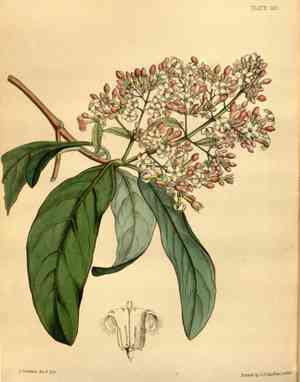
Mexican buttonbush (Cephalanthus salicifolius)
Also known as: Buttonbush, Willow-leaf Buttonbush
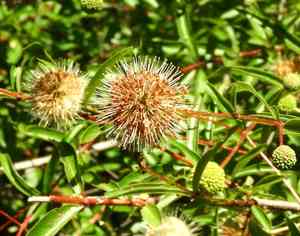
The Mexican buttonbush features distinctive, spherical flower clusters that emit a sweet fragrance, attracting numerous pollinators. Its narrow, willow-like leaves thrive in wet environments like wetlands and riverbanks, making it well-suited to moist conditions. This plant's presence signals a healthy, water-abundant ecosystem, often indicating robust riparian health.
In This Article
Attributes of Mexican buttonbush
Lifespan
Perennial
Plant Type
Shrub
Plant Height
2-5 meters
Spread
2-4 meters
Leaf Color
Green
Flower Size
1.5-2.5 cm
Flower Color
White
Images of Mexican buttonbush
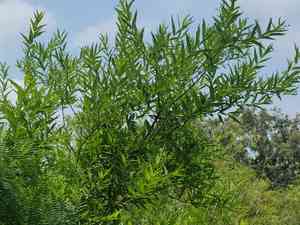
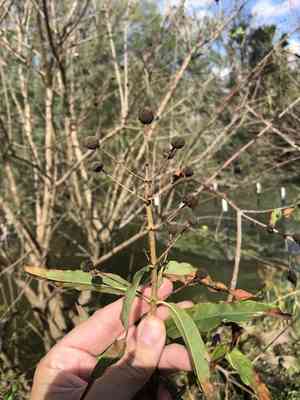
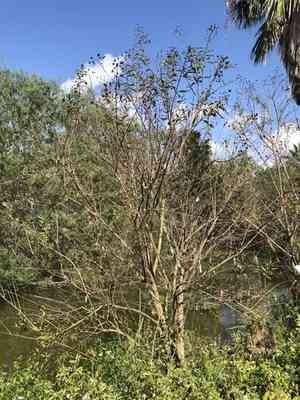
Quickly Identify Mexican buttonbush
1
Look for spherical, white flower clusters and long, narrow leaves resembling those of a willow tree. The plant typically grows in wet, swampy areas.
Scientific Classification of Mexican buttonbush
Phylum
Vascular plants
Class
Dicotyledons
Order
Gentianales
Family
Madder
Genus
Buttonbush
Species
Mexican buttonbush
Planting and Growing of Mexican buttonbush
Care Difficulty
Easy
Watering Schedule
Every 6 days
Sunlight Requirements
Full sun
Sunshine Duration
6-12 hours
Ideal Temperature
68-77℉
Soil Type
Potting Mix, Peat Mix
Soil pH
5.8-7.5
Fertilizer Type
Balanced
Pruning Season
Spring, Summer
Pruning Area
Branches, Leaves
Pruning Frequency
2 times a year
Repotting Season
Spring
Pot Type
Plastic, Terracotta
 How to Water Mexican buttonbush?
When watering Cephalanthus salicifolius, aim for approximately 500ml per session. This volume ensures the soil is adequately moistened, encouraging growth without risking waterlogging. Always ensure drainage to avoid root rot.
What are the symptoms of an underwatered Mexican buttonbush?
›
What should I do if my Mexican buttonbush is not getting enough water?
›
What are the symptoms of an overwatered Mexican buttonbush?
›
How to save an overwatered Mexican buttonbush?
›
 What Are the Sunlight Requirements for Mexican buttonbush?
Cephalanthus salicifolius ideally flourishes in full to partial sun. Consistent access to sunlight ensures robust health, vibrant foliage, and ample flowering as it enables efficient photosynthesis.
How much sun does Cephalanthus salicifolius prefer?
›
What should I do to ensure it gets enough sunlight?
›
What are the benefits of correct lighting for this plant?
›
 What Is the Ideal Temperature Range for Mexican buttonbush?
The ideal temperature range for growing Cephalanthus salicifolius is between 68°F to 77°F. This range provides the best conditions for metabolic processes, photosynthesis, and growth, ensuring optimal foliage color and structural development.
 What Soil is Best for Mexican buttonbush?
Cephalanthus salicifolius thrives in well-draining soils, which prevents water from pooling around its roots. This drainage is crucial to avoiding root rot, ensuring the plant remains healthy and vibrant. The plant requires soils enriched in nutrients to facilitate robust growth. Nutrient-rich soils offer essential elements like nitrogen, potassium, and phosphorus, promoting lush foliage and vigorous blooms. This plant prefers soil that can retain adequate moisture without becoming waterlogged. Moisture retention is vital during dry spells, providing consistent hydration that supports steady growth throughout seasons.
 How to Fertilize Mexican buttonbush?
Cephalanthus salicifolius prefers a moderate amount of fertilizer. For liquid fertilizer, mix one teaspoon per gallon of water, ensuring the soil is damp before application. In terms of solid fertilizer, a general-purpose slow-release type should be applied in a ring around the plant, using approximately 1/4 cup for every foot of plant height.
 How to Prune Mexican buttonbush?
Before starting, inspect the plant carefully to identify dead, diseased, or overgrown branches. These should be your primary targets during the pruning session to maintain plant health and shape. When pruning, make sure to cut branches at a 45-degree angle. This encourages water runoff and prevents pooling on the cut surface, minimizing the risk of disease entry. Regularly step back during your pruning session to evaluate the plant’s shape and ensure symmetry. This will help in achieving a well-balanced appearance and avoid over-pruning on one side.
More About Pruning Techniques→
 How to Propagate Mexican buttonbush plant?
1
Collect seeds from matured plants during late autumn. Ensure the seeds are dry before storing them in a cool, dry place until planting season. This step is essential to maintain seed viability.
2
Take semi-hardwood cuttings 6-8 inches long. Remove leaves from the lower part and dip the cut end into rooting hormone powder to enhance root formation in a moist environment.
3
Select a long, low branch and bend it to the ground. Make a small wound on the under-part and cover with soil. Secure with a stake or rock to encourage rooting while still attached to the parent plant.
 How to Repot Mexican buttonbush plant?
1
Look for signs like roots protruding from the drainage holes, soil drying out rapidly, or visibly stunted growth. These indicate that it's time to give your Cephalanthus salicifolius a new home where it can continue to flourish and grow comfortably.
2
Select a pot that is slightly larger than the current one, with ample drainage holes. A pot too large can lead to water retention and root rot, while too small won't support the plant's growth. A well-sized pot ensures optimal drainage and growth space.
3
Opt for a well-drained potting mix that allows adequate aeration and prevents waterlogging. This choice of soil mimics its natural habitat, ensuring it retains just the right amount of moisture and nutrients for healthy root development.
Learn More About Mexican buttonbush Diseases
Anthracnose
Bacterial Leaf Spot
Bacterial Wilt
Crown Gall
Damping-off
Downy Mildew
Drought Stress
Fusarium Wilt
Gray Mold
Leaf Curl
Leaf Spot
Mosaic
Nutrient Deficiency
Nutrient Toxicity
Powdery Mildew
Root Rot
Root-knot Nematode
Rusts
Sooty Mold
Spider Mites
Temperature Stress
Thrips Damage
White Mold



