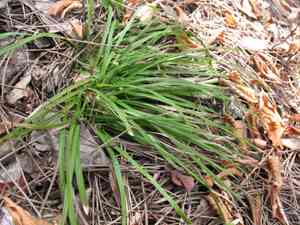
Longstalk sedge(Carex pedunculata)

Longstalk sedge (Carex pedunculata)

Also known as: pendunculate sedge

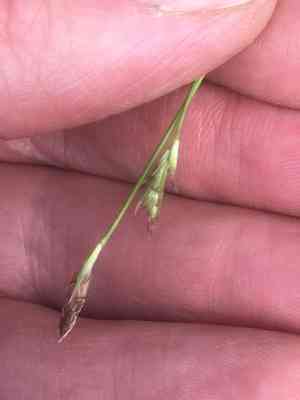
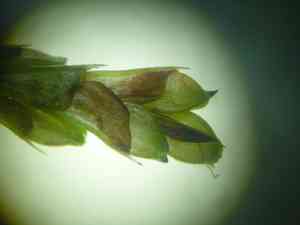
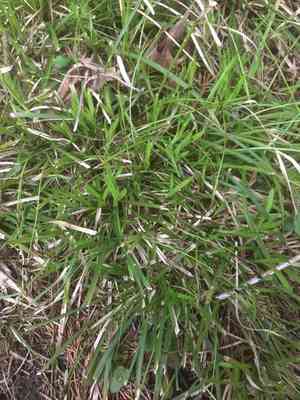
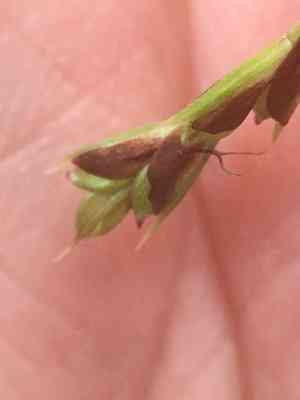
Longstalk sedge (*Carex pedunculata*) is a perennial evergreen known for its long flower stalks. It typically reaches a height of 8 to 25 cm. The leaves are dark green with a distinctive red base. This sedge blooms in the spring and also sets fruit during this season.

Preferred growing conditions include:
- **Habitat:** Open woodland areas and partially shaded environments.
- **Soil:** Prefers well-drained, rich, and loamy soils.
- **Light:** Thrives in partial shade.
- **Moisture:** Requires consistent moisture but does not tolerate waterlogged conditions.

This sedge is often found in temperate regions and contributes to soil stabilization and erosion control in its natural habitat.

Attributes of Longstalk sedge

Lifespan
Perennial
Plant Type
Grass
Plant Height
9 cm to 28 cm
Spread
10-15 cm
Leaf Color
Green
Flower Size
13 cm
Flower Color
Yellow Green Purple Red Brown

ForwardPlant - Identify plants with a snap

Identify and diagnose plants, get toxicity alerts, and explore safety guides for all types of fungi.

Try for Free

Images of Longstalk sedge

Longstalk sedge(Carex pedunculata)

Quickly Identify Longstalk sedge

1
This plant can be identified by its elongated flowering spikes and narrow, grass-like leaves. Typically found in moist woodland areas, its inflorescences are usually supported by long stalks (peduncles), giving it the common name \'Peduncled Sedge\'.

Scientific Classification of Longstalk sedge

Phylum
Vascular plants
Class
Monocotyledons
Order
Poales
Family
Sedge
Genus
True sedges
Species
Longstalk sedge

Planting and Growing of Longstalk sedge

Care Difficulty
Easy
Watering Schedule
Every 3 days
Sunlight Requirements
Partial sun
Sunshine Duration
6-12 hours
Ideal Temperature
60-75℉
Soil Type
Potting Mix, Peat Mix
Soil pH
6.5-7.5
Fertilizer Type
Balanced
Pruning Season
Spring, Summer
Pruning Area
Branches, Leaves
Pruning Frequency
2 times a year
Repotting Season
Spring
Pot Type
Plastic, Ceramic

water icon How to Water Longstalk sedge?

For Carex pedunculata, the watering amount should be sufficient to thoroughly moisten the soil without causing waterlogging. This is typically around 250 ml per watering session. The key is to ensure that the soil is consistently moist but not soggy, which can be gauged by feeling the top inch of the soil; it should feel lightly damp.
What are the symptoms of an underwatered Longstalk sedge?
What should I do if my Longstalk sedge is not getting enough water?
What are the symptoms of an overwatered Longstalk sedge?
How to save an overwatered Longstalk sedge?

sunlight icon What Are the Sunlight Requirements for Longstalk sedge?

Sunlight Requirements: Partial sun
Duration of light: 3 to 6 hours
Partial sunlight affords Carex pedunculata optimal growth conditions, with 3 to 6 hours of sun ensuring vigorous growth, healthy leaf coloration, and disease resistance.
What is the suitable lighting for Carex pedunculata?
How can one provide ideal lighting conditions for Carex pedunculata?
What are the benefits of providing ideal lighting to Carex pedunculata?
More About Sunlight Requirements Techniques

temperature icon What Is the Ideal Temperature Range for Longstalk sedge?

Ideal Temperature: 60 ~ 75℉
The ideal temperature range for Carex pedunculata is between 60°F and 75°F. This range facilitates optimal growth and healthy development, ensuring the plant has the right conditions to thrive.

soil icon What Soil is Best for Longstalk sedge?

Soil type: Sandy loam, Loam
Soil PH: 6.5 ~ 7.5
Carex pedunculata thrives in soils that retain moisture yet drain well, preventing root rot. Ensuring a balance between moisture and drainage maintains healthy root development and robust plant growth. This plant prefers soils enriched with organic matter, offering a spectrum of nutrients essential for its growth. Nutrient-rich soils augment photosynthesis efficiency and bolster the plant’s resilience against diseases. Proper soil aeration allows Carex pedunculata roots to breathe, crucial for optimal nutrient uptake and growth. Well-aerated soils prevent compaction and promote healthier root systems.

fertilize icon How to Fertilize Longstalk sedge?

Fertilizer type: Balanced
For Carex pedunculata, use a balanced fertilizer with a ratio of 10-10-10. Apply approximately 1/4 to 1/2 cup per square foot during the growing season. Be cautious not to over-fertilize, as this can lead to weak plant growth and other issues.

prune icon How to Prune Longstalk sedge?

Pruning Time: Spring, Summer, Autumn
When pruning Carex pedunculata, it's essential to cut back gradually, removing only small amounts at a time to avoid stressing the plant. Do not cut back the new green shoots—only the older, browned tips or dead parts should be removed to encourage robust growth. More About Pruning Techniques

propagate icon How to Propagate Longstalk sedge plant?

Propagate Time: Spring, Early spring
1
Harvest seeds from mature Carex pedunculata plants once the seed heads have dried but before they disperse naturally. Ensure seeds are fully matured for optimal germination rates.
2
Choose healthy, established plants for division. Cut the root ball into smaller sections, each with roots and shoots, using sharp shears to minimize plant stress.
3
Distribute seeds evenly over a seed tray filled with well-draining soil. Lightly cover with a thin layer of soil or sand and water gently to avoid displacing seeds.
More About Propagating Techniques

repot icon How to Repot Longstalk sedge plant?

Repotting frequency: Every two years
1
Recognizing when to repot Carex pedunculata involves observing root bound signs, such as roots growing out of drainage holes, and slowed growth. The ideal time to repot is when you see these signs in early spring or autumn, providing the plant with fresh soil and space.
2
Select a pot that is slightly larger than the current one, with a proper drainage system. This prevents waterlogging, which is crucial for the plant’s health as it helps avoid root rot and allows the roots to expand moderately, supporting healthy growth.
3
Opt for well-draining potting mix that retains moisture but doesn’t become waterlogged. This type of soil ensures that the roots have access to adequate nutrients without risk of overwatering, promoting a balanced and thriving environment for the plant.

ForwardPlant - Identify plants with a snap

Find the best spots for them to optimize their health, simply using your phone.

Try for Free