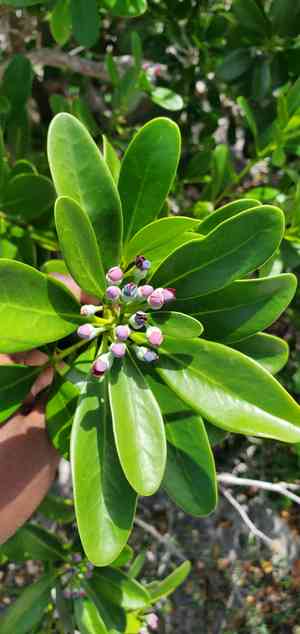
Wild cinnamon (Canella) (Canella)
Also known as: Wild Cinnamon, White Cinnamon
Canella, commonly known as Wild Cinnamon or White Cinnamon, is a small evergreen tree or shrub that belongs to the Canellaceae family. It is native to the Caribbean and parts of Central America. Known for its aromatic bark and leaves, Canella is often used in traditional medicine and as a spice.
In This Article
Attributes of Wild cinnamon (Canella)
Lifespan
Perennial
Plant Height
3 to 10 meters
Spread
2 to 5 meters
Leaf Color
Dark green
Flower Size
1 to 1.5 centimeters
Flower Color
White to pale yellow
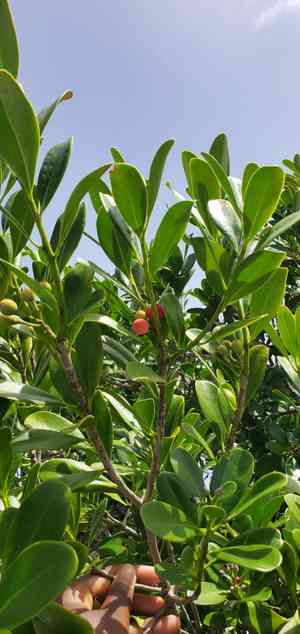
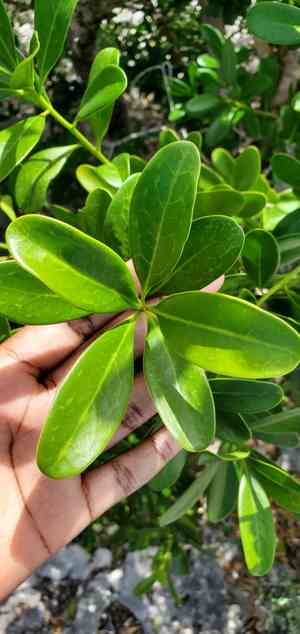
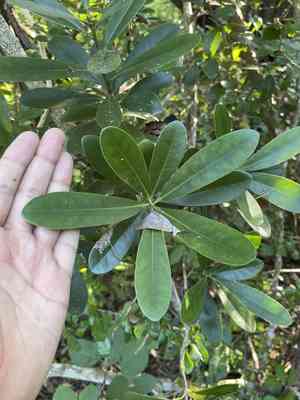
Images of Wild cinnamon (Canella)
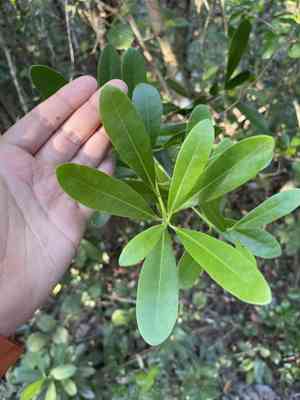
Quickly Identify Wild cinnamon (Canella)
1
To identify Canella, look for a small, evergreen tree with aromatic, dark-green leaves and clustered red berries. The bark has a spicy cinnamon-like scent when scratched or broken.
Scientific Classification of Wild cinnamon (Canella)
Phylum
Magnoliophyta
Class
Magnoliopsida
Order
Canellales
Family
Canellaceae
Genus
Canella
Planting and Growing of Wild cinnamon (Canella)
Care Difficulty
Moderate
Watering Schedule
Every 2 days
Sunlight Requirements
Full sun
Sunshine Duration
6-12 hours
Ideal Temperature
65-75℉
Soil Type
Potting Mix, Peat Mix
Soil pH
6.5-7.5
Fertilizer Type
Balanced
Pruning Season
Spring, Summer
Pruning Area
Branches, Leaves
Pruning Frequency
2 times a year
Repotting Season
Spring
Pot Type
Plastic, Ceramic
 How to Water Wild cinnamon (Canella)?
Ensuring the correct amount of water for your Canella is crucial. The soil should be thoroughly moistened yet not waterlogged to promote healthy roots. Each time, approximately 500 ml is ideal, providing enough moisture to reach deep roots while avoiding standing water.
What are the symptoms of an underwatered Wild cinnamon (Canella)?
›
What should I do if my Wild cinnamon (Canella) is not getting enough water?
›
What are the symptoms of an overwatered Wild cinnamon (Canella)?
›
How to save an overwatered Wild cinnamon (Canella)?
›
 What Are the Sunlight Requirements for Wild cinnamon (Canella)?
Canella thrives optimally in conditions offering partial to full sun exposure. This ensures adequate photosynthetic activity, boosting its resilience, growth speed, and overall health, maintaining a lush appearance year-round.
What is the most suitable light setting for Canella?
›
How can I ensure Canella receives its optimal light?
›
What benefits does Canella receive from ideal light conditions?
›
 What Is the Ideal Temperature Range for Wild cinnamon (Canella)?
The ideal temperature range for Canella is between 65°F and 75°F. This subtropical plant thrives in warm environments where it can efficiently photosynthesize and metabolize. Maintaining this temperature range provides stability that encourages strong growth and vibrant foliage, as fluctuations can stress the plant.
 What Soil is Best for Wild cinnamon (Canella)?
Canella thrives best in well-drained soil, as it helps prevent root rot and other moisture-related diseases. Ensuring proper drainage enhances root oxygenation and promotes vigorous growth. This plant benefits from soil enriched with organic matter. Such nutrients support robust foliage and flowering, contributing to the plant's overall health and resistance to environmental stresses. A soil pH between 6.5 and 7.5 supports optimal nutrient absorption for Canella, ensuring efficient uptake of essential elements for growth and color vibrancy.
 How to Fertilize Wild cinnamon (Canella)?
For Canella, it's important to provide a balanced amount of nutrients. When using liquid fertilizers, dilute them to half the recommended strength to prevent root burn. For solid fertilizers, use a handful per square meter, ensuring it is well-distributed around the plant base.
 How to Prune Wild cinnamon (Canella)?
Begin by identifying any dead, damaged, or diseased branches on your Canella plant. These can often be distinguished by their lack of leaves, brittle texture, or discolored bark. Prune these branches back to the nearest healthy bud or join to prevent the spread of disease and encourage robust growth. To maintain a pleasing shape, trim back branches that extend beyond the desired size or disrupt the plant's symmetry. Use sharp, clean pruning shears and make cuts at a 45-degree angle just above a growth node or bud. This encourages new growth and helps the plant maintain a balanced form.
 How to Propagate Wild cinnamon (Canella) plant?
1
Collect seeds from a mature Canella tree. Ensure that the seeds are fully matured and dried before attempting propagation to enhance success rates.
2
Prepare a potting mix consisting of equal parts of sand, peat, and perlite. This ensures good drainage and aeration, essential for seedling development.
3
Sow the seeds on the surface of the soil, covering them lightly with the potting mix. Maintain even moisture, and place the tray in a warm, sunny location to promote germination.
 How to Repot Wild cinnamon (Canella) plant?
1
Canella needs repotting when you notice roots growing through the drainage holes, the plant appears constrained, or the soil has become compacted. Ideally, aim for repotting during its growing season to minimize stress.
2
Select a pot one size larger than the current one, with good drainage holes. A breathable material like terracotta is ideal, as it promotes better air circulation and moisture evaporation, preventing root rot.
3
Opt for a well-draining potting mix that can retain some moisture without becoming waterlogged. This ensures roots stay healthy by providing adequate aeration while maintaining sufficient moisture for growth.
Learn More About Wild cinnamon (Canella) Diseases
Anthracnose
Bacterial Leaf Spot
Black Spot
Chemical Injury
Crown Gall
Damping-off
Downy Mildew
Drought Stress
Fusarium Wilt
Gray Mold
Leaf Spot
Mosaic
Nutrient Deficiency
Nutrient Toxicity
Powdery Mildew
Root Rot
Root-knot Nematode
Rusts
Sooty Mold
Spider Mites
Temperature Stress
Thrips Damage
White Mold

