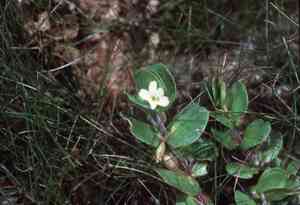
Disk waterhyssop (Bacopa rotundifolia)
Also known as: Round-leaf water hyssop
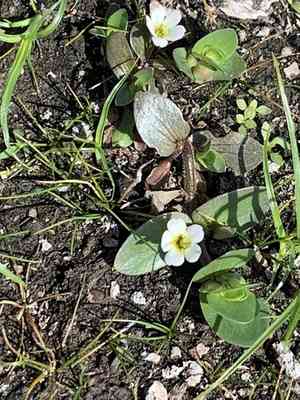
The leaves of this plant are round, measuring 1 to 3 centimeters in width, and feature six longitudinal veins. It blooms in the fall, showcasing white flowers with yellow throats. The plant produces a moderate amount of fruit or seeds, which disperse slowly. It holds no commercial value.
In This Article
Attributes of Disk waterhyssop
Lifespan
Perennial
Plant Type
Herb
Plant Height
61 cm
Spread
Not applicable, as it spreads through stems
Leaf Color
Green
Flower Size
0.2-0.3 inches (5-7 mm)
Flower Color
White
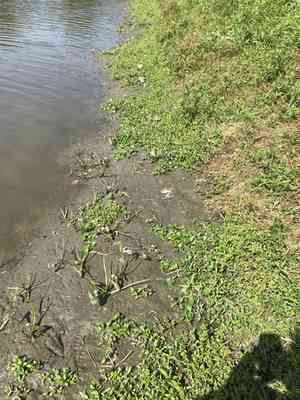
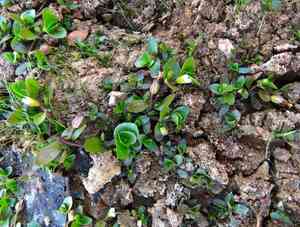
Images of Disk waterhyssop

Quickly Identify Disk waterhyssop
1
Look for small, round, and fleshy leaves that are often seen floating on the surface of water. The stems are delicate and can be green to reddish in color.
Scientific Classification of Disk waterhyssop
Phylum
Vascular plants
Class
Dicotyledons
Order
Lamiales
Family
Plantain
Genus
Water Hyssop
Species
Disk waterhyssop
Planting and Growing of Disk waterhyssop
Care Difficulty
Easy
Watering Schedule
Every 8 days
Sunlight Requirements
Partial sun
Sunshine Duration
6-12 hours
Ideal Temperature
65-75℉
Soil Type
Potting Mix, Peat Mix
Soil pH
6.5-7.5
Fertilizer Type
Balanced
Pruning Season
Spring, Summer
Pruning Area
Branches, Leaves
Pruning Frequency
2 times a year
Repotting Season
Spring
Pot Type
Plastic, Ceramic
 How to Water Disk waterhyssop?
Bacopa rotundifolia thrives with consistent moisture, but be cautious not to overwater. Ideally, water should be applied until it seeps through the drainage holes, ensuring the soil is evenly moist without becoming waterlogged. A general guideline would be to provide approximately 200 ml per watering session, depending on the size of the container.
What are the symptoms of an underwatered Disk waterhyssop?
›
What should I do if my Disk waterhyssop is not getting enough water?
›
What are the symptoms of an overwatered Disk waterhyssop?
›
How to save an overwatered Disk waterhyssop?
›
 What Are the Sunlight Requirements for Disk waterhyssop?
Bacopa rotundifolia thrives in partial sun, which provides a balanced light environment essential for growth. This optimal range supports lush foliage and vibrant flowering, leveraging a mix of sun exposure and shade to prevent stress while maximizing aesthetic and physiological health.
Question: What is the best light for Bacopa rotundifolia?
›
Question: Can Bacopa rotundifolia tolerate full sun?
›
Question: How can artificial light be utilized?
›
 What Is the Ideal Temperature Range for Disk waterhyssop?
Bacopa rotundifolia thrives best in a temperature range of 65-75°F. This range ensures optimal photosynthesis and growth, providing a balance between warmth and moisture that is critical for the plant's cellular functions and overall vitality.
 What Soil is Best for Disk waterhyssop?
Bacopa rotundifolia thrives in soil that offers excellent drainage to prevent waterlogging. This ensures that the roots receive sufficient oxygen and nutrients without drowning, promoting healthy growth and reducing the risk of root rot. The soil should have good moisture retention properties to keep the plant hydrated between waterings. A well-balanced soil helps in maintaining a uniform moisture level, crucial for Bacopa rotundifolia's sustained growth and flowering. A nutrient-rich loam or sandy loam provides essential minerals and organic matter. This nutritional wealth boosts the plant's health, supporting vibrant green foliage and abundance in blooming.
 How to Fertilize Disk waterhyssop?
For Bacopa rotundifolia, you'll want to apply liquid fertilizer in moderate amounts, ensuring you do not overfeed it. Typically, a concentration of 10-10-10 NPK ratio can be used, diluted to about half the recommended strength on the package for young or sensitive plants.
 How to Prune Disk waterhyssop?
When pruning Bacopa rotundifolia, start by sterilizing your cutting tools to prevent the spread of disease. Begin trimming the plant back by about one-third, focusing on removing any dead or discolored leaves. Make cuts just above a leaf node to encourage new branching. Ensure that you prune evenly around the plant to maintain a balanced shape. It’s crucial to also remove any flowers that appear faded as this promotes continual blooming.
More About Pruning Techniques→
 How to Propagate Disk waterhyssop plant?
1
Start by collecting Bacopa rotundifolia seeds and soaking them in water for 24 hours to soften the seed coat. This process aids in faster germination and increases the success rate of seed propagation.
2
Select healthy stems from the parent plant and cut them 4-6 inches long. Remove the lower leaves and dip the cut end in rooting hormone to encourage root development before planting in a well-draining medium.
3
Carefully remove the plant from its pot and tease apart the root ball. Divide into smaller sections, ensuring each section has a good number of roots, and replant them into fresh soil to promote healthy growth.
 How to Repot Disk waterhyssop plant?
1
For Bacopa rotundifolia, you'll know it's time to repot when its roots start growing out of the pot's drainage holes, indicating it's root-bound. Additionally, if water begins to pool at the top instead of draining quickly and if overall growth appears stunted, these are key signals that repotting is due.
2
Select a pot that is just one or two sizes larger than its current one. Make sure it has sufficient drainage holes to avoid waterlogging. This ensures the plant doesn't feel overwhelmed by too much space and helps prevent root rot by promoting better water management.
3
Choose a rich, well-draining loamy soil that provides nutrients while maintaining a loose structure to allow air to circulate around the roots. Such soil prevents deoxygenation and root suffocation, allowing the plant to thrive in its renewed environment.



