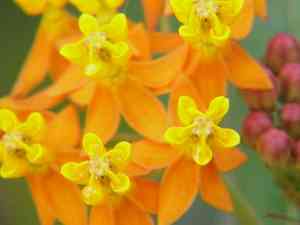
Mojave milkweed (Asclepias nyctaginifolia)
Also known as: Nyctaginia Milkweed
Mojave milkweed (Asclepias nyctaginifolia) is a perennial plant distinguished by its soft, broad leaves and eye-catching flowers that bloom at night. These purplish clusters are specifically adapted to lure nocturnal pollinators. In order to flourish in its dry, rugged environment, Mojave milkweed employs several key survival strategies:
1. **Extensive Root System**: It features a deep taproot system, allowing it to reach water reserves deep underground, essential for enduring prolonged dry spells.
2. **Drought Resilience**: The plant is highly drought-tolerant, minimizing its metabolic functions during periods of extreme dryness.
3. **Water Conservation**: Its leaves and stems have a waxy surface that helps reduce water loss through evaporation.
4. **Seasonal Activity**: The milkweed grows mainly during brief rainy periods, making the most of available moisture before becoming dormant in dry seasons.
5. **Chemical Defense**: Produces a toxic latex that deters herbivores, helping to protect it from being grazed upon.
6. **Specialized Pollination**: Attracts specific night-time pollinators, ensuring effective reproduction even in sparse desert settings.
These adaptations collectively enable Mojave milkweed to not only survive but also thrive in its challenging desert habitat.
Attributes of Mojave milkweed
Images of Mojave milkweed
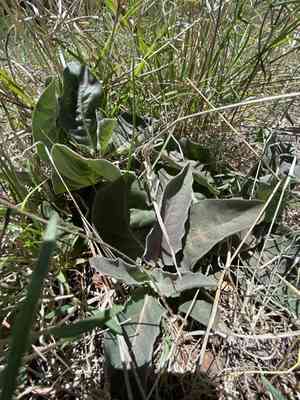
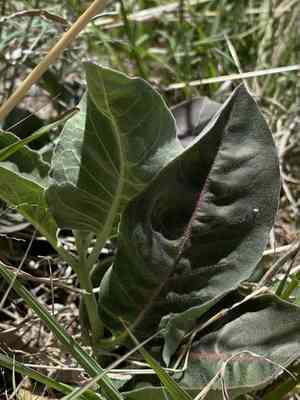
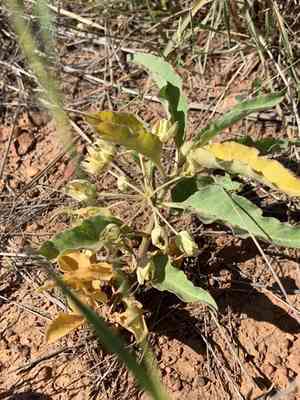
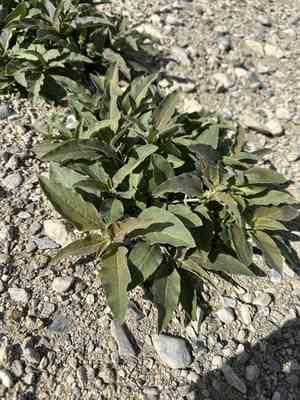
Quickly Identify Mojave milkweed
Scientific Classification of Mojave milkweed
Planting and Growing of Mojave milkweed
 How to Water Mojave milkweed?
 What Are the Sunlight Requirements for Mojave milkweed?
 What Is the Ideal Temperature Range for Mojave milkweed?
 What Soil is Best for Mojave milkweed?
 How to Fertilize Mojave milkweed?
 How to Prune Mojave milkweed?
 How to Propagate Mojave milkweed plant?
 How to Repot Mojave milkweed plant?
Toxicity
Ingestion



