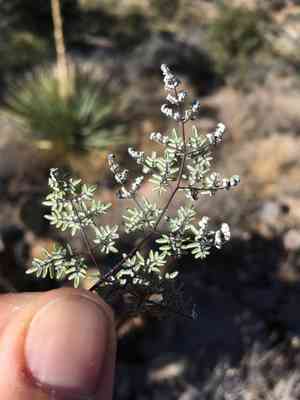
Southwestern false cloak fern (Argyrochosma limitanea)
Also known as: None
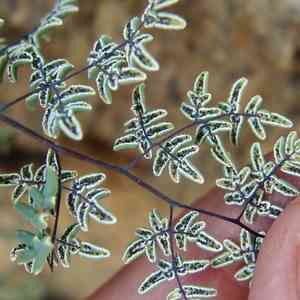
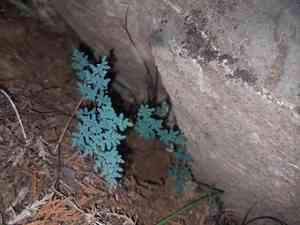
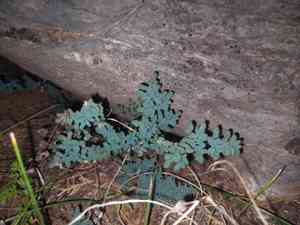
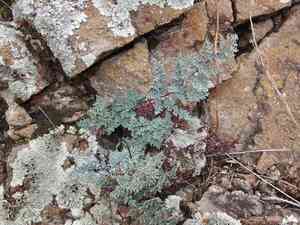
The Southwestern false cloak fern is a perennial fern notable for its slender fronds adorned with a silvery, powdery coating. This unique feature not only gives the fronds a distinctive appearance but also aids in reflecting sunlight, thereby minimizing water loss. The fern's pinnate leaves are designed to gently arch, potentially aiding in the collection of scarce moisture and nutrients from its rocky surroundings. Remarkably resilient, this fern prospers in the crevices of arid cliffside environments, thanks to its specialized adaptations.
In This Article
Attributes of Southwestern false cloak fern
Lifespan
Perennial
Plant Type
Fern
Plant Height
10-20 cm
Spread
10-20 cm
Leaf Color
Green (upper side), Silver (underside)
Flower Size
None
Flower Color
None
Images of Southwestern false cloak fern
Quickly Identify Southwestern false cloak fern
1
The Silverback Fern can be identified by its small, delicate fronds that are covered in a white, powdery coating on the underside, giving them a silvery appearance. The fronds are usually 10-20 cm long.
Scientific Classification of Southwestern false cloak fern
Phylum
Vascular plants
Class
Ferns
Order
Polypodiales
Family
Brake
Genus
False cloak fern
Species
Southwestern false cloak fern
Planting and Growing of Southwestern false cloak fern
Care Difficulty
Moderate
Watering Schedule
Every 3 days
Sunlight Requirements
Partial sun
Sunshine Duration
4-8 hours
Ideal Temperature
65-75℉
Soil Type
Potting Mix, Peat Mix
Soil pH
6.5-7.5
Fertilizer Type
Balanced
Pruning Season
Spring, Summer
Pruning Area
Branches, Leaves
Pruning Frequency
2 times a year
Repotting Season
Spring
Pot Type
Plastic, Ceramic
 How to Water Southwestern false cloak fern?
Argyrochosma limitanea prefers a moderate watering regimen where you provide about 200 milliliters per session. The goal is to maintain a stable moisture level without oversaturating the soil, achieving a balance between drought and excess. It's crucial to ensure the potting mix absorbs the water effectively without pooling.
What are the symptoms of an underwatered Southwestern false cloak fern?
›
What should I do if my Southwestern false cloak fern is not getting enough water?
›
What are the symptoms of an overwatered Southwestern false cloak fern?
›
How to save an overwatered Southwestern false cloak fern?
›
 What Are the Sunlight Requirements for Southwestern false cloak fern?
Partial sun, Full shade. In such conditions, the plant enjoys balanced growth and maintains robust foliage, mimicking its natural habitat where it thrives with consistent indirect light.
What type of light does Argyrochosma limitanea prefer?
›
How can you achieve the ideal lighting conditions for this plant?
›
What benefits does the plant receive with ideal lighting?
›
 What Is the Ideal Temperature Range for Southwestern false cloak fern?
Argyrochosma limitanea thrives best in a temperature range of 65°F to 75°F. Maintaining this range ensures optimal growth and health of the plant. Temperatures in this range simulate its natural environment, promoting better photosynthesis and nutrient uptake.
 What Soil is Best for Southwestern false cloak fern?
Argyrochosma limitanea thrives in soil that is well-balanced in nutrients. It requires a blend that supports its growth without overwhelming it. This balance promotes healthy foliage and root development, essential for the plant's overall vitality. This plant necessitates good drainage to prevent root rot and other moisture-related issues. Sandy and loamy soils offer the excellent drainage necessary to maintain healthy growth, ensuring roots are not waterlogged and receive adequate air. Argyrochosma limitanea benefits from soil with moderate organic matter. It helps retain necessary moisture while providing essential nutrients, enhancing soil structure and promoting the overall resilience of the plant.
 How to Fertilize Southwestern false cloak fern?
Argyrochosma limitanea prefers light feeding. Use a diluted liquid fertilizer at half strength to avoid overfeeding. A small spoonful of slow-release fertilizer is sufficient per application. Avoid heavy doses as this plant is sensitive to over-fertilization.
 How to Prune Southwestern false cloak fern?
Start by identifying any fronds that are brown, withered, or showing signs of disease. These should be the primary targets during your pruning session. Gently trace each frond to its base and use your tools to make a clean cut as close to the base as possible without harming the roots. This prevents unnecessary stress on the plant while ensuring the removal of unwanted material. When trimming, focus on maintaining a balanced and naturally symmetrical shape. This is aesthetically pleasing and promotes even growth throughout the plant.
More About Pruning Techniques→
 How to Propagate Southwestern false cloak fern plant?
1
Start by watering the parent plant a day before division. This ensures the roots are hydrated and reduces stress during the division process.
2
Using the clean sharp knife, carefully divide the plant at the root. Each division should have a healthy root system and at least one viable shoot or frond.
3
Place the divisions in appropriately sized pots with well-drained soil. Ensure the roots are comfortably covered and water immediately after planting.
 How to Repot Southwestern false cloak fern plant?
1
Argyrochosma limitanea shows signs of needing a repot when you notice roots growing out of the drainage holes or the leaves appear stunted. Ideally, observe these signs in early Spring or Summer to ensure a smooth transition.
2
Select a pot that is 1-2 inches larger in diameter than the current one. Ensure the pot has sufficient drainage holes to prevent waterlogging, which can lead to root rot. Ceramic or terra-cotta pots are excellent as they promote aeration.
3
Opt for a well-draining gritty mix, such as a blend of coarse sand, perlite, and a small amount of organic matter. This soil type mimics its natural rocky habitat, promoting healthy root growth and preventing moisture retention.
Learn More About Southwestern false cloak fern Diseases
Anthracnose
Bacterial Leaf Spot
Bacterial Soft Rot
Bacterial Wilt
Black Spot
Chemical Injury
Crown Gall
Cyst Nematode
Damping-off
Downy Mildew
Drought Stress
Fusarium Wilt
Gray Mold
Leaf Spot
Mosaic
Nutrient Deficiency
Nutrient Toxicity
Powdery Mildew
Root Rot
Root-knot Nematode
Rusts
Sooty Mold
Spider Mites
Temperature Stress
Thrips Damage
White Mold



