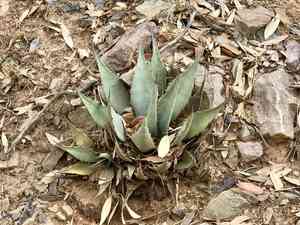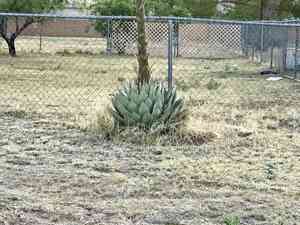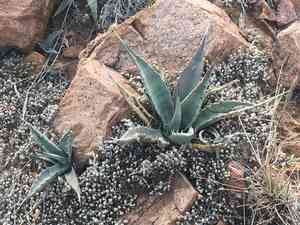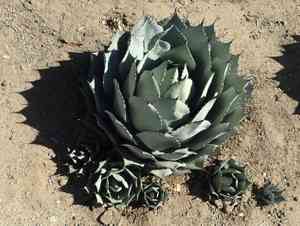
Parry's Agave(Agave parryi)

Parry's Agave (Agave parryi)

Also known as: Mescal Agave

Parry's Agave (Agave parryi) is a succulent known for its slow growth, native to the southwestern United States and northern Mexico. It is commonly used in xeriscaping and desert-style landscaping. For optimal growth, this agave needs full sunlight and well-draining soil, with minimal water once established. In its natural habitat, Parry's Agave is found in rocky areas, desert grasslands, and pine-oak woodlands.

Attributes of Parry's Agave

Lifespan
Perennial
Plant Type
Succulent, Herb
Plant Height
30 cm to 60 cm
Spread
60 cm to 90 cm
Leaf Color
Gray Silver Green Blue
Flower Size
4.5 cm to 8 cm
Flower Color
Yellow Green

ForwardPlant - Identify plants with a snap

Identify and diagnose plants, get toxicity alerts, and explore safety guides for all types of fungi.

Try for Free

Images of Parry's Agave

Parry's Agave(Agave parryi)

Quickly Identify Parry's Agave

1
Rosette formation of stout, gray leaves with prominent brown spines.
2
Lemon yellow flowers with a subtle pink tinge on a 10-20 feet tall spike.
3
Ovate-oblong fruit capsules, 1-2 inches in length with black, glossy seeds.
4
Semi-succulent leaves up to 2 feet long, gray-green with toothed edges and sharp spines.
5
Unique flowering event once every 10-15 years culminating in plant death.

Scientific Classification of Parry's Agave

Phylum
Vascular plants
Class
Monocotyledons
Order
Asparagales
Family
Asparagus
Genus
Agaves
Species
Parry's Agave

Planting and Growing of Parry's Agave

Care Difficulty
Easy
Watering Schedule
Every 2 days
Sunlight Requirements
Full sun
Sunshine Duration
6-10 hours
Ideal Temperature
60-75℉
Soil Type
Potting Mix, Peat Mix
Soil pH
6.5-7.5
Fertilizer Type
Balanced
Pruning Season
Spring, Summer
Pruning Area
Branches, Leaves
Pruning Frequency
2 times a year
Repotting Season
Spring
Pot Type
Plastic, Ceramic

water icon How to Water Parry's Agave?

For Agave parryi, ensure that you use about 150 milliliters of water per session. It's important to water thoroughly but infrequently. The aim is to allow water to fully soak into the soil and reach the roots, but it should not sit in the pot for long. Make sure the top 5 centimeters of soil is dry before the next watering.
What are the symptoms of an underwatered Parry's Agave?
What should I do if my Parry's Agave is not getting enough water?
What are the symptoms of an overwatered Parry's Agave?
How to save an overwatered Parry's Agave?

sunlight icon What Are the Sunlight Requirements for Parry's Agave?

Sunlight Requirements: Full sun
Duration of light: 6 to 8 hours
Agave parryi benefits greatly from full sun conditions. With optimal light exposure, it exhibits vigorous growth and enhanced drought resilience, while presenting its signature striking appearance. Such environments simulate its native habitats, solidifying its health and longevity.
Optimal Sun Exposure
Strategic Location Placement
Sunlight Intensity Management
More About Sunlight Requirements Techniques

temperature icon What Is the Ideal Temperature Range for Parry's Agave?

Ideal Temperature: 60 ~ 75℉
Agave parryi thrives best in a temperature range between 60°F and 75°F. Consistent exposure to these temperatures ensures optimal growth, photosynthesis, and metabolic activities. It is essential to maintain this temperature zone for prolonged and healthy plant life.

soil icon What Soil is Best for Parry's Agave?

Soil type: Sandy soil, Sandy loam, Loam
Soil PH: 6.5 ~ 7.5
Agave parryi thrives in well-draining soil which prevents root rot that can occur from excess moisture. This ensures robust growth and helps the plant to maintain its striking form. Moderate fertility is preferred, avoiding overly rich soils. A balance of nutrients ensures healthy leaf development without encouraging excessive growth that can weaken the plant. This plant prefers dry soil conditions with minimal watering needs, mimicking its natural arid habitat, which promotes resilience against drought stress.

fertilize icon How to Fertilize Parry's Agave?

Fertilizer type: Balanced
For Agave parryi, it is crucial to use a balanced fertilizer mixture. During the growing season, apply a diluted solution of liquid fertilizer at half the recommended strength. This ensures that the plant receives adequate nutrients without the risk of chemical burn.

prune icon How to Prune Parry's Agave?

Pruning Time: Spring, Summer
Begin by removing any dead or yellowing leaves from the base of the plant. This not only enhances appearance but also allows more sunlight to reach the core of the plant. 2. Trim off any leaves that are damaged or have brown tips, making sure to cut at the base where the leaf joins the main stem. 3. Use a sterilized pruning tool to make precise cuts and avoid tearing the leaves. 4. Dispose of the pruned leaves appropriately to prevent potential disease spread. Agave parryi has a central rosette or crown, which should never be cut. This is the growth center of the plant. Pruning should focus on outer, older leaves, leaving the crown intact to encourage natural growth patterns and maintain the structural integrity of the plant.

propagate icon How to Propagate Parry's Agave plant?

Propagate Time: Spring, Early spring
1
Fill seed trays with well-draining soil mix and place one or two seeds per compartment. Lightly cover with sand, mist with water, and place in a warm, bright location. Germination can take several weeks.
2
Carefully remove the Agave from its pot or soil. Identify offshoots with their own root systems and use a sharp knife to sever them from the parent plant. Repot the offshoots separately.
3
Pot the divided sections into well-draining soil and water lightly. Ensure they are placed in indirect sunlight until established. Gradually increase sunlight exposure as they acclimate.
More About Propagating Techniques

repot icon How to Repot Parry's Agave plant?

Repotting frequency: Every 2-3 years
1
Agave parryi displays a clear need for repotting when you observe the roots pushing out of drainage holes or the plant becoming top-heavy compared to its pot. Spring and early summer are ideal times, as the plant is entering its active growth phase. Opting for these periods ensures a reduced risk of transplant shock.
2
Select a pot that is slightly larger than the current one, with ample drainage holes to prevent water stagnation. Preferably, terracotta or clay pots allow moisture to evaporate, aiding in root health and simulating the arid conditions agaves prefer, which prevent root rot.
3
Go for a well-draining cactus mix, possibly enhanced with sand or perlite, to imitate the native dry and rocky habitat. This prevents water from being retained excessively, a critical aspect that reduces the susceptibility of root rot, promoting overall plant vigor.
More About Repotting Techniques

ForwardPlant - Identify plants with a snap

Find the best spots for them to optimize their health, simply using your phone.

Try for Free

Toxicity of Parry's Agave

Is Parry's Agave toxic to cat?

'Parry's Agave' exhibits a low level of toxicity for cats. Should a cat ingest large quantities of the plant—particularly the leaves or the sap—it may lead to poisoning. Pet owners need to be attentive, as signs of poisoning can manifest as physical discomfort or illness in their feline companions. The accessibility of the leaves and sap makes exposing cats to 'Parry's Agave' a significant concern. Any signs of distress after ingestion should prompt immediate action. It is crucial to seek prompt veterinary care to safeguard the cat’s health and avoid potential complications.

Is Parry's Agave toxic to dog?

Agave parryi, commonly referred to as Parry's Agave, is known to have a mild toxicity level for dogs. Canines may face hazards if they ingest this plant in significant quantities. The elements of Parry's Agave that could be harmful include its leaves and the sap or juice. Should ingestion occur, dogs may display signs of poisoning, which can vary according to the amount consumed and the sensitivity of the individual dog. It is essential for dog owners to keep a close watch on their pets and restrict access to Parry's Agave, particularly since dogs are often curious and enjoy chewing on different plants. In the unfortunate situation where a dog consumes part of Parry's Agave, seeking prompt veterinary assistance is vital to ensure the appropriate treatment and management of any toxic effects.

Identify toxic plants for your safety

Learn which plants are harmful to you and your pets, and make informed choices for a safer home!

Try for Free
WARNING
The judgment on toxicity and danger is for reference only. We DO NOT GUARANTEE any accuracy of such judgment. Therefore, you SHALL NOT rely on such judgment. It is IMPORTANT TO SEEK PROFESSIONAL ADVICE in advance when necessary.
More About Toxic Techniques