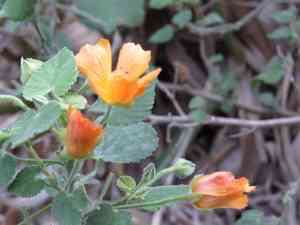
Hairy indian mallow (Abutilon grandifolium)
Also known as: Hairy tall abutilon, Velvetleaf
Despite being native to South America, Lantana camara has become an invasive species in Hawaii, posing a threat to local ecosystems. Its vibrant flowers attract pollinators such as butterflies and bees, making it popular in ornamental gardens. Additionally, the plant's bark fibers can be utilized for making cordage.
In This Article
Attributes of Hairy indian mallow
Lifespan
Perennial
Plant Type
Shrub
Plant Height
3 m
Spread
Approximately 1-2 meters
Leaf Color
Green
Flower Size
2 cm to 3.5 cm
Flower Color
Yellow Gold
Images of Hairy indian mallow
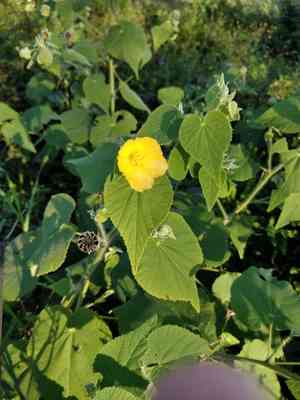
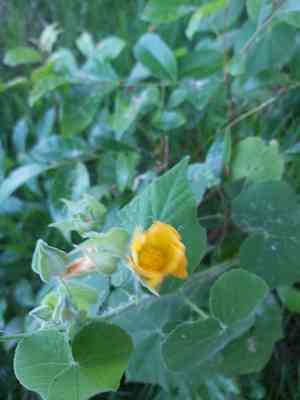
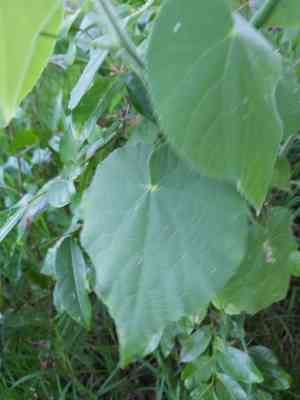
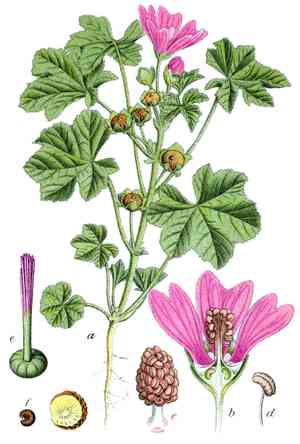
Quickly Identify Hairy indian mallow
1
Hairy Indian Mallow can be identified by its large, heart-shaped leaves with a velvety texture and its bright yellow, hibiscus-like flowers. The plant has a bushy growth habit and can reach significant heights.
Scientific Classification of Hairy indian mallow
Phylum
Vascular plants
Class
Dicotyledons
Order
Malvales
Family
Mallow
Genus
Indian mallows
Species
Hairy indian mallow
Planting and Growing of Hairy indian mallow
Care Difficulty
Easy
Watering Schedule
Every 2 days
Sunlight Requirements
Partial sun
Sunshine Duration
6-10 hours
Ideal Temperature
65-77℉
Soil Type
Potting Mix, Peat Mix
Soil pH
6.5-7.5
Fertilizer Type
Balanced
Pruning Season
Spring, Summer
Pruning Area
Branches, Leaves
Pruning Frequency
2 times a year
Repotting Season
Spring
Pot Type
Plastic, Ceramic
 How to Water Hairy indian mallow?
For Abutilon grandifolium, it's crucial to ensure that water reaches the roots adequately. Provide about 500ml of water, aiming for a slightly moist, but not waterlogged soil. This balance prevents root rot and supports healthy growth.
What are the symptoms of an underwatered Hairy indian mallow?
›
What should I do if my Hairy indian mallow is not getting enough water?
›
What are the symptoms of an overwatered Hairy indian mallow?
›
How to save an overwatered Hairy indian mallow?
›
 What Are the Sunlight Requirements for Hairy indian mallow?
Abutilon grandifolium benefits from partial sun exposure, ideal for promoting vigorous growth and vibrant flowering, while preventing the risks associated with too much direct light.
More About Sunlight Requirements Techniques→
What is the ideal amount of sunlight for Abutilon grandifolium?
›
How can you ensure Abutilon grandifolium gets the right sunlight?
›
What are the benefits of optimal sunlight for Abutilon grandifolium?
›
 What Is the Ideal Temperature Range for Hairy indian mallow?
The ideal temperature range for Abutilon grandifolium, between 65 and 77 degrees Fahrenheit, ensures optimal growth and flowering. Within this range, the plant can photosynthesize efficiently, resulting in lush foliage and vibrant blooms. It also minimizes the risk of temperature-induced stress or physiological disorders.
 What Soil is Best for Hairy indian mallow?
Abutilon grandifolium thrives in nutrient-rich soil, which helps the plant achieve lush foliage and vibrant blooms. Adequate soil nutrition enhances growth and the overall health of the plant, allowing it to reach its full ornamental potential. This plant prefers well-draining soil to prevent root rot. Proper drainage ensures that excess water doesn't accumulate, which could lead to fungal infections and weakened roots. This soil trait supports strong and robust plant development. While good drainage is essential, the soil should still retain some moisture. A balanced moisture level helps maintain adequate hydration for Abutilon grandifolium without the risk of waterlogging, crucial for sustained plant vitality.
 How to Fertilize Hairy indian mallow?
For Abutilon grandifolium, it's essential to consider its moderate nutrient needs. Use a balanced liquid fertilizer diluted to half-strength, applying approximately 500 ml per plant for liquid solutions. For slow-release fertilizers, use about 5 grams per plant.
 How to Prune Hairy indian mallow?
Start by identifying and removing any dead, damaged, or diseased branches. This will help promote healthy growth and improve air circulation within the plant canopy. Trim the plant to achieve a balanced and aesthetically pleasing canopy shape. Focus on maintaining an open center to allow sunlight penetration and air movement, which reduces the risk of fungal infections. When making cuts, trim back to just above a node or a leaf bud to encourage new growth. This will ensure the plant rebounds quickly and grows more densely. After completing your initial trims, step back to evaluate the plant's shape and symmetry. Make additional adjustments as necessary to maintain a balanced appearance.
More About Pruning Techniques→
 How to Propagate Hairy indian mallow plant?
1
Start by collecting mature seeds from Abutilon grandifolium plants. Clean them by removing any pulp and let them dry. Store in a cool, dry place until you're ready to plant them.
2
Fill a seed tray with a well-draining soil mix. Sow the seeds on the surface and lightly cover them with a thin layer of soil. Water gently until the soil is moist but not waterlogged.
3
Select healthy, non-flowering shoots from the mother plant. Cut sections about 4-6 inches long, ensuring each has several leaves. Remove the lower leaves to prevent rotting and increase rooting potential.
 How to Repot Hairy indian mallow plant?
1
Abutilon grandifolium shows signs for repotting when its roots start to peek out of the drainage holes or it becomes root-bound, causing water to run off too quickly. An annual or biennial check during the growing season ensures your plant thrives and expands its root system beneficially.
2
Select a pot that's 1-2 inches larger in diameter than the current one. Ensure it has ample drainage holes. The slightly larger size allows gradual root expansion, reducing the risk of waterlogging and ensuring a balanced moisture level advantageous to the plant's health.
3
Use a well-draining potting mix, ideally designed for houseplants or flowering plants. This type of soil ensures good air circulation around the roots and prevents root rot by allowing excess water to escape efficiently, establishing a healthy environment for growth.
Learn More About Hairy indian mallow Diseases
Anthracnose
Bacterial Leaf Spot
Bacterial Wilt
Crown Gall
Damping-off
Downy Mildew
Drought Stress
Fusarium Wilt
Gray Mold
Leaf Curl
Leaf Spot
Mosaic
Nutrient Deficiency
Nutrient Toxicity
Powdery Mildew
Root Rot
Root-knot Nematode
Rusts
Sooty Mold
Spider Mites
Temperature Stress
Thrips Damage
White Mold



