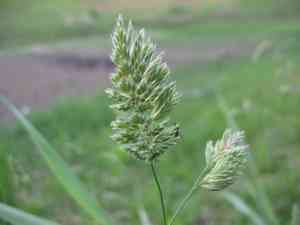
Elliott's yellow-eyed grass (Xyris elliottii)
Also known as: Yellow-eyed Grass
Xyris elliottii, also known as Elliott's yellow-eyed grass, is a perennial herbaceous plant. It typically grows up to 25 centimeters tall and features slender, grass-like leaves that can reach lengths of up to 40 centimeters. The leaves are olive-green in color. The plant is noted for its bright yellow flowers, which emerge from a cylindrical spike above the foliage, giving it a delicate, grass-like appearance.
In This Article
Attributes of Elliott's yellow-eyed grass
Lifespan
Perennial
Plant Type
Herb
Plant Height
1 to 3 feet (0.3 to 0.9 meters)
Spread
N/A (no significant crown)
Leaf Color
Green
Flower Size
Approximately 1 inch (2.5 cm)
Flower Color
Yellow
Images of Elliott's yellow-eyed grass
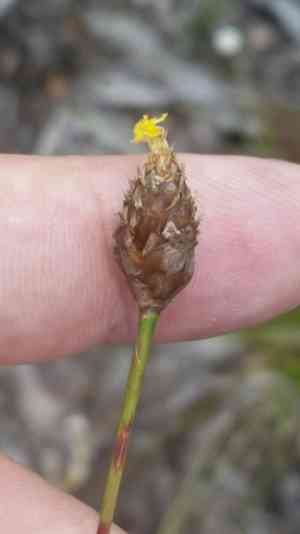
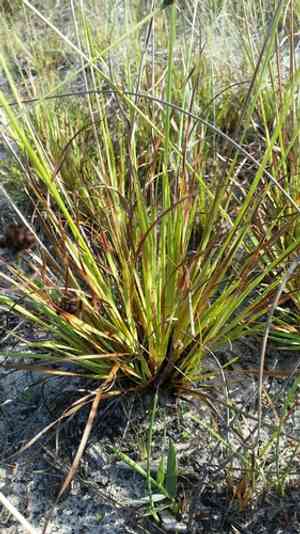
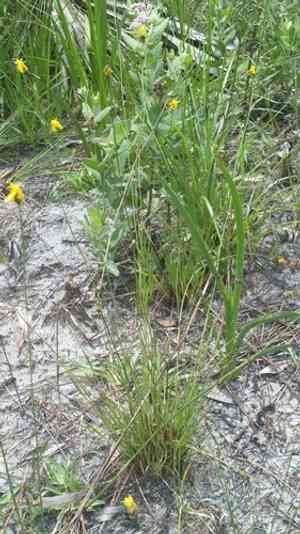
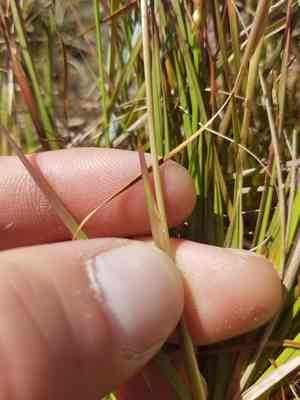
Quickly Identify Elliott's yellow-eyed grass
1
To identify Xyris elliottii, look for its distinctive yellow flowers that bloom on tall, slender stalks. The leaves are narrow and grass-like, forming a basal rosette. The flower spikes are typically 1-3 feet tall.
Scientific Classification of Elliott's yellow-eyed grass
Phylum
Vascular plants
Class
Monocotyledons
Order
Poales
Family
Yellow-eyed grasses
Genus
Yelloweyed grasses
Species
Elliott's yellow-eyed grass
Planting and Growing of Elliott's yellow-eyed grass
Care Difficulty
Moderate
Watering Schedule
Every 8 days
Sunlight Requirements
Full sun
Sunshine Duration
6-10 hours
Ideal Temperature
70-85℉
Soil Type
Potting Mix, Peat Mix
Soil pH
5.5-6.5
Fertilizer Type
Balanced
Pruning Season
Spring, Summer
Pruning Area
Branches, Leaves
Pruning Frequency
2 times a year
Repotting Season
Spring
Pot Type
Plastic, Ceramic
 How to Water Elliott's yellow-eyed grass?
For Xyris elliottii, watering should mimic its natural habitat, so the soil should be kept consistently moist without being waterlogged. Water until about 300ml drains from the pot's bottom, ensuring even moisture distribution throughout the soil.
What are the symptoms of an underwatered Elliott's yellow-eyed grass?
›
What should I do if my Elliott's yellow-eyed grass is not getting enough water?
›
What are the symptoms of an overwatered Elliott's yellow-eyed grass?
›
How to save an overwatered Elliott's yellow-eyed grass?
›
 What Are the Sunlight Requirements for Elliott's yellow-eyed grass?
Xyris elliottii flourishes between partial to full sun exposure. Ideal lighting conditions encourage vigorous growth and vibrant blooms, ensuring the plant's structural and functional health is optimized, supporting its ecological role and aesthetic contributions.
Optimal Light Placement
›
Seasonal Adjustment
›
Protection from Intense Sunlight
›
 What Is the Ideal Temperature Range for Elliott's yellow-eyed grass?
For Xyris elliottii, the optimal growth temperature range is between 70°F to 85°F. This warm environment mimics its native habitat, providing the best conditions for photosynthesis and metabolic activities, ultimately leading to healthy growth.
 What Soil is Best for Elliott's yellow-eyed grass?
Xyris elliottii thrives in well-draining soils that prevent water accumulation. This characteristic helps prevent root rot, a common ailment for many wetland species when faced with prolonged saturation. Well-drained soils ensure that plants receive just enough moisture while allowing excess water to escape. While Xyris elliottii is adapted to grow in less fertile environments, providing a nutrient-rich substrate can enhance growth and vigor. Nutrients support robust foliage development and vibrant flower production, which is a hallmark of this species in natural habitats. Preferring slightly acidic conditions, Xyris elliottii benefits from a soil pH that ranges between 5.5 and 6.5. These pH levels promote optimal nutrient uptake and enhance microbial activity, improving overall soil health and plant prosperity.
 How to Fertilize Elliott's yellow-eyed grass?
For Xyris elliottii, a moderate amount of fertilizer is recommended. During the growing season, apply just enough liquid fertilizer to keep the plant healthy and vibrant. This would typically involve using a liquid fertilizer solution diluted to half the strength recommended on the package.
 How to Prune Elliott's yellow-eyed grass?
Identify and remove any dead or yellowing leaves at the base using clean scissors. Focus on the outer, older leaves which are more likely to be less productive and remove them to encourage healthy new growth. Trim the plant to maintain its natural shape by cutting back any long, straggly growth. Keep in mind the plant’s original form and structure to enhance its aesthetic appeal and support balanced development. Regularly remove spent flowers by pinching or cutting them off to stimulate further blooming. This practice diverts energy back into the plant, ensuring it invests in producing a new flush of flowers and supporting continuous blooming.
More About Pruning Techniques→
 How to Propagate Elliott's yellow-eyed grass plant?
1
Collect mature seeds from Xyris elliottii and ensure they are clean and dry. Store them in a cool, dry place until you are ready to plant. Pre-soak seeds in water for 24 hours to improve germination rates.
2
Fill a seed tray with a well-draining potting mix. Sow the seeds evenly on the surface and cover with a thin layer of soil. Maintain consistent moisture to support germination, which may take several weeks.
3
Carefully dig up the plant ensuring minimal root disturbance. Using a sharp knife, divide the plant into smaller sections, ensuring each section has roots attached. Re-plant the sections promptly in prepared soil.
 How to Repot Elliott's yellow-eyed grass plant?
1
Xyris elliottii often signals its need for repotting when its growth becomes stagnant or root-bound. Look for roots growing through the drainage holes or a decrease in foliage health. The ideal time for repotting is during the active growing seasons of spring and summer, when the plant is most resilient to disturbance.
2
Select a pot that is approximately 1-2 inches larger in diameter than the current one. It ensures that the plant has room to grow but isn't overwhelmed by too much space, reducing the risk of waterlogging. Pots with good drainage capabilities are essential to prevent root rot, a common issue for Xyris elliottii.
3
Choose a soil mix that is sandy and well-draining. This mimics the plant's natural habitat, ensuring adequate drainage while retaining necessary moisture. A balanced mixture prevents overwatering, supports healthy root development, and promotes optimal growth conditions for Xyris elliottii.



