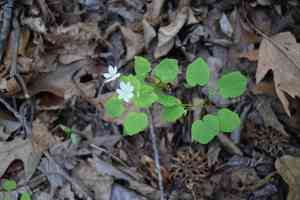
Rue-anemone (Thalictrum thalictroides)
Also known as: Rue Anemone, Windflower
Rue-anemone (Thalictrum thalictroides) thrives in deciduous woodland settings. It favors partial to full shade, though it can tolerate some direct sunlight. This plant, sometimes known as "Windflower," enjoys the dappled light of forest canopies and requires well-drained, nutrient-rich soil with consistent moisture.
In This Article
Attributes of Rue-anemone
Lifespan
Perennial, Annual
Plant Type
Herb
Plant Height
10 cm to 30 cm
Spread
15 cm to 25 cm
Leaf Color
Green Variegated
Flower Size
2.5 cm
Flower Color
White Pink Blue Red
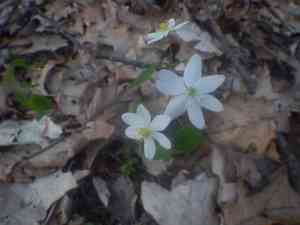
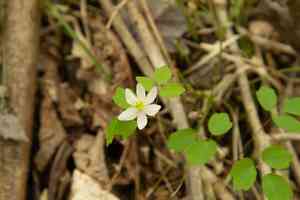
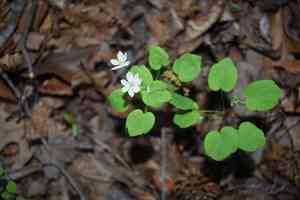
Images of Rue-anemone
Quickly Identify Rue-anemone
1
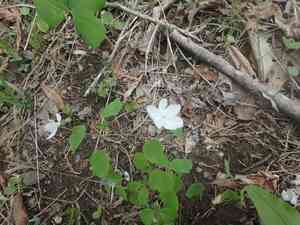
This plant can be identified by its distinctive, delicate white or occasionally pink flowers with 5-10 petal-like sepals, and its finely divided, fern-like leaves. It typically grows in shady, wooded areas.
Scientific Classification of Rue-anemone
Phylum
Vascular plants
Class
Dicotyledons
Order
Ranunculales
Family
Buttercup
Genus
Meadow-rues
Species
Rue-anemone
Planting and Growing of Rue-anemone
Care Difficulty
Easy
Watering Schedule
Every 4 days
Sunlight Requirements
Partial sun
Sunshine Duration
4-8 hours
Ideal Temperature
50-68℉
Soil Type
Potting Mix, Peat Mix
Soil pH
6.5-7.5
Fertilizer Type
Balanced
Pruning Season
Spring, Summer
Pruning Area
Branches, Leaves
Pruning Frequency
2 times a year
Repotting Season
Spring
Pot Type
Plastic, Ceramic
 How to Water Rue-anemone?
The Thalictrum thalictroides, also known as the rue-anemone, requires a delicate balance of moisture. It generally needs about 200 ml of water per session. Ensure the soil stays consistently moist but not waterlogged, mimicking its natural woodland habitat. Water until excess drains from the pot’s bottom to confirm thorough saturation.
What are the symptoms of an underwatered Rue-anemone?
›
What should I do if my Rue-anemone is not getting enough water?
›
What are the symptoms of an overwatered Rue-anemone?
›
How to save an overwatered Rue-anemone?
›
 What Are the Sunlight Requirements for Rue-anemone?
Partial sun with a few hours of early morning light ensures robust growth and flowering potential without the risk of scorching or impaired development.
More About Sunlight Requirements Techniques→
Optimal Indoor Positioning
›
Outdoor Shade Provision
›
Artificial Lighting Solutions
›
 What Is the Ideal Temperature Range for Rue-anemone?
For optimal growth, Thalictrum thalictroides prefers a temperature range of 50°F to 68°F. This range provides the most suitable conditions for photosynthesis and root growth, allowing the plant to thrive and maintain robust health.
 What Soil is Best for Rue-anemone?
Thalictrum thalictroides thrives in soil that retains moisture but drains well. A loam-based soil with organic material can maintain the necessary moisture balance without becoming waterlogged, crucial for plant health. This plant prefers soil rich in organic nutrients. The presence of decomposed organic matter supports its growth by providing essential nutrients, ensuring lush and healthy foliage. Well-aerated soil is vital for Thalictrum thalictroides as it allows oxygen to reach the roots. Sandy loam with good aeration promotes robust root development and prevents root rot.
 How to Fertilize Rue-anemone?
For Thalictrum thalictroides, use a balanced liquid fertilizer diluted to half strength. Apply approximately 1/2 gallon per square foot. Ensure the solution is evenly distributed across the soil to avoid nutrient burn, as this plant is sensitive to over-fertilization.
 How to Prune Rue-anemone?
Start by removing any dead, damaged, or diseased stems to encourage new growth. Trim back any overly long stems to maintain a balanced, compact shape. This helps the plant direct energy towards healthier, more robust growth. After flowering in the spring or early autumn, trim back spent flowers and any legginess in the plant. This encourages bushier growth and can lead to more flowers in the next blooming season.
More About Pruning Techniques→
 How to Propagate Rue-anemone plant?
1
Begin by filling a seedling tray with a mix of potting soil and vermiculite. Sow the Thalictrum thalictroides seeds evenly on top and lightly cover them with a thin layer of soil. Keep the soil consistently moist.
2
Carefully dig around the mature plant with a garden spade and lift it whole. Once lifted, gently separate the clumps into smaller sections, ensuring each has healthy roots attached, and replant immediately.
3
When the seedlings have grown at least two sets of leaves, transplant them into larger pots or directly into the garden. Space them adequately to allow room for growth, and water them thoroughly.
 How to Repot Rue-anemone plant?
1
Repotting is best when you notice the roots starting to circle the pot or pushing out of the drainage holes. Another signal is slowed growth, indicating the plant's need for fresh soil and more space.
2
Select a pot about 2 inches larger in diameter than the current one. This provides the plant with adequate room to grow while preventing waterlogging. Choose a pot with drainage holes for excellent water management.
3
Opt for well-draining loamy soil that retains moisture yet allows excess water to escape. This soil type keeps roots aerated, prevents rot, and supports healthy growth through balanced nutrients.



