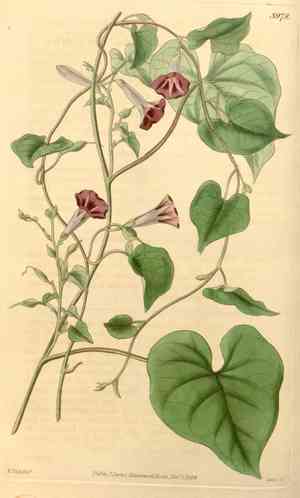
Ipomoea aristolochiifolia (Ipomoea aristolochiifolia)
Also known as: None
Ipomoea aristolochiifolia, recognized by its heart-shaped leaves and trumpet-like flowers, is a vine that flourishes in warm, tropical areas. It eagerly climbs on support structures, reaching for ample sunlight. Its bright, colorful blooms attract numerous pollinators, contributing significantly to the local ecosystem.
In This Article
Attributes of Ipomoea aristolochiifolia
Lifespan
Perennial
Plant Type
Vine, Herb
Plant Height
1-3 meters
Spread
0.5-1 meters
Leaf Color
Green
Flower Size
5-8 centimeters
Flower Color
White to pale pink
Images of Ipomoea aristolochiifolia
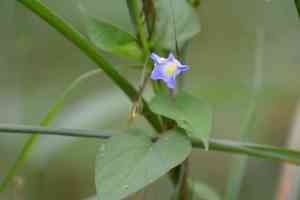
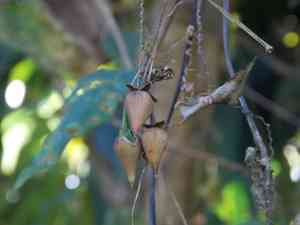
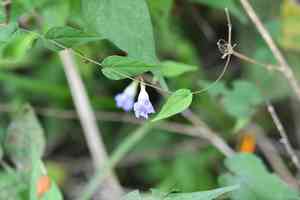
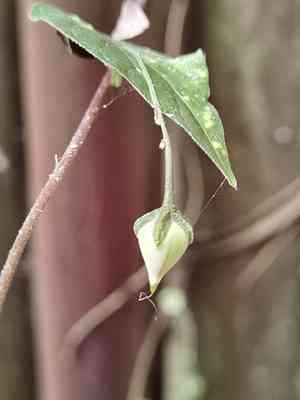
Quickly Identify Ipomoea aristolochiifolia
1
This plant can be identified by its heart-shaped leaves and funnel-shaped flowers, which are typical characteristics of the morning glory family.
Scientific Classification of Ipomoea aristolochiifolia
Phylum
Vascular plants
Class
Dicotyledons
Order
Solanales
Family
Morning-glory
Genus
Morning glories
Species
Ipomoea aristolochiifolia
Planting and Growing of Ipomoea aristolochiifolia
Care Difficulty
Moderate
Watering Schedule
Every 3 days
Sunlight Requirements
Full sun
Sunshine Duration
6-12 hours
Ideal Temperature
70-85℉
Soil Type
Potting Mix, Peat Mix
Soil pH
6.5-7.5
Fertilizer Type
Balanced
Pruning Season
Spring, Summer
Pruning Area
Branches, Leaves
Pruning Frequency
2 times a year
Repotting Season
Spring
Pot Type
Plastic, Ceramic
 How to Water Ipomoea aristolochiifolia?
When watering Ipomoea aristolochiifolia, aim to thoroughly soak the soil until water drains out the bottom of the pot. This ensures that the root system receives moisture without becoming waterlogged. Allow the top inch of soil to dry out before the next watering. This method mimics natural rainfall patterns and prevents root rot.
What are the symptoms of an underwatered Ipomoea aristolochiifolia?
›
What should I do if my Ipomoea aristolochiifolia is not getting enough water?
›
What are the symptoms of an overwatered Ipomoea aristolochiifolia?
›
How to save an overwatered Ipomoea aristolochiifolia?
›
 What Are the Sunlight Requirements for Ipomoea aristolochiifolia?
Ipomoea aristolochiifolia ideally thrives in full sun to partial sun exposure. This light range allows the plant to maximize photosynthesis, ensuring vibrant blooms and vigorous growth while maintaining its lush foliage texture.
What is the ideal light condition for Ipomoea aristolochiifolia?
›
How to ensure Ipomoea aristolochiifolia receives ideal light?
›
What are the benefits of ideal light for Ipomoea aristolochiifolia?
›
 What Is the Ideal Temperature Range for Ipomoea aristolochiifolia?
For optimal growth, Ipomoea aristolochiifolia thrives best in temperatures ranging from 70°F to 85°F. These conditions mimic the plant's native tropical climate, promoting healthy photosynthesis and overall robust growth.
 What Soil is Best for Ipomoea aristolochiifolia?
Ipomoea aristolochiifolia thrives in nutrient-rich loam soil that provides both excellent drainage and sufficient moisture retention. This balance helps the plant access essential nutrients for robust growth and vibrant flowering, promoting both health and aesthetic appeal. Ensuring well-drained soil is vital to prevent root rot, a common issue with many plants. By allowing excess water to escape easily, the plant roots stay healthy and oxygenated, facilitating better nutrient absorption and overall plant vigor. A slightly acidic to neutral pH range of 6.5 to 7.5 is ideal for this species. This pH range allows optimal availability of essential nutrients, ensuring that the plant can grow without suffering from deficiencies.
 How to Fertilize Ipomoea aristolochiifolia?
Ipomoea aristolochiifolia, being a plant that thrives in well-drained soil, benefits from moderate fertilization. For liquid fertilizers, use a balanced N-P-K (10-10-10) formula and apply it at a concentration of 1 teaspoon per gallon of water. For slow-release fertilizers, apply it according to package directions, distributed evenly across the soil surface. The key is balance; over-fertilization can lead to an accumulation of salts in the soil, which is detrimental to the plant's root health.
 How to Prune Ipomoea aristolochiifolia?
Begin by sterilizing your pruning tools to prevent the spread of diseases. Identify any dead, damaged, or diseased stems and cut them back to healthy tissue. Trim back long or leggy growth to encourage a fuller shape. Make clean cuts at a 45-degree angle just above a growth node, which allows for faster healing and promotes new growth. Shape the plant to your preference, keeping in mind that balanced shape allows for even sun exposure. For more experienced gardeners, consider employing thinning cuts to open up the plant's canopy and improve light penetration and air circulation. This is particularly useful for preventing molds and mildews. Always cut just above a bud that faces the direction you want new growth to head. Removing inward-growing branches can help prevent overcrowding in the center of the plant.
More About Pruning Techniques→
 How to Propagate Ipomoea aristolochiifolia plant?
1
Choose mature and healthy seeds for propagation. Mature seeds have a higher viability rate and better chances of successful germination.
2
Prepare a well-draining soil medium, rich in organic matter. This environment ensures proper moisture retention while preventing waterlogging, which can harm young roots.
3
Cut healthy and disease-free segments from the parent plant. Apply rooting hormone before placing them in the prepared soil medium to enhance rooting success.
 How to Repot Ipomoea aristolochiifolia plant?
1
For Ipomoea aristolochiifolia, repotting is necessary when roots start coming out of the drainage holes or the plant outgrows its current pot. This usually happens annually during the growing season, allowing roots sufficient time to adapt.
2
Choose a pot one size larger than the current one with drainage holes at the bottom. This prevents overwatering, promoting healthy root growth. A terracotta pot is beneficial as it provides good aeration to the roots and prevents root rot.
3
Select a well-draining sandy soil mix to ensure proper aeration and prevent waterlogging. This type of soil mimics the plant's natural environment, facilitating faster root growth and reducing the risk of root diseases.
Toxicity
ingestion
WARNING
The judgment on toxicity and danger is for reference only. We DO NOT GUARANTEE any accuracy of such judgment. Therefore, you SHALL NOT rely on such judgment. It is IMPORTANT TO SEEK PROFESSIONAL ADVICE in advance when necessary.



