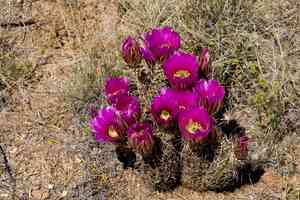
Pinkflower hedgehog cactus (Echinocereus fendleri)
Also known as: Fendler's Hedgehog, Fendler's Echinocereus
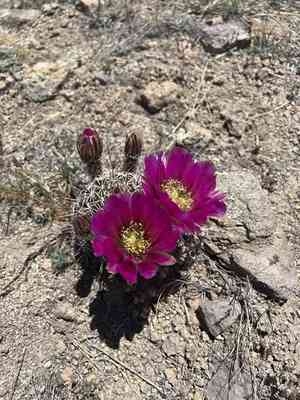
The pinkflower hedgehog cactus (Echinocereus fasciculatus) is a hardy desert plant known for its low, clumping growth pattern. Its cylindrical stems feature prominent ribs lined with sharp spines that help conserve moisture and deter herbivores. In the spring, it produces striking, funnel-shaped pink or purple flowers that stand out against the arid backdrop of its native desert environment. These blooms attract pollinators and add a splash of color to the landscape.
In This Article
Attributes of Pinkflower hedgehog cactus
Lifespan
Perennial
Plant Type
Succulent
Plant Height
0 mm to 30 cm
Spread
Approximately 5 inches (12 cm)
Leaf Color
Not applicable (cacti typically do not have traditional leaves)
Flower Size
3-4 inches (7-10 cm)
Flower Color
Magenta, Pink
Images of Pinkflower hedgehog cactus
Quickly Identify Pinkflower hedgehog cactus
1
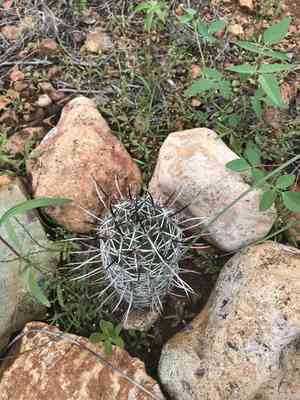
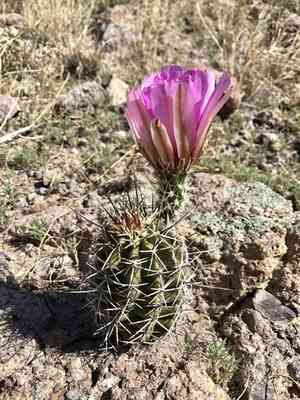
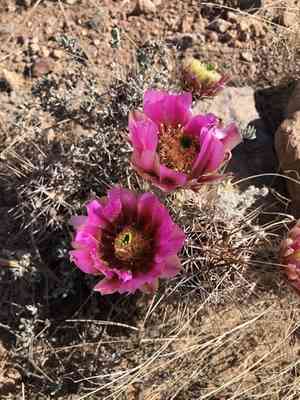
Identify Echinocereus fendleri by its cylindrical stems, which are often clustered and can grow up to 30 cm tall. The stems are ribbed with well-defined tubercles and covered with dense, colorful spines. The flowers are vibrant magenta or pink, blooming predominantly in spring.
Scientific Classification of Pinkflower hedgehog cactus
Phylum
Vascular plants
Class
Dicotyledons
Order
Caryophyllales
Family
Cactuses
Genus
Hedgehog cactus
Species
Pinkflower hedgehog cactus
Planting and Growing of Pinkflower hedgehog cactus
Care Difficulty
Easy
Watering Schedule
Every day
Sunlight Requirements
Full sun
Sunshine Duration
4-8 hours
Ideal Temperature
68-86℉
Soil Type
Potting Mix, Peat Mix
Soil pH
6.5-7.5
Fertilizer Type
Balanced
Pruning Season
Spring, Summer
Pruning Area
Branches, Leaves
Pruning Frequency
2 times a year
Repotting Season
Spring
Pot Type
Plastic, Ceramic
 How to Water Pinkflower hedgehog cactus?
When watering Echinocereus fendleri, ensure that 100ml of water is enough to moisten the soil without drenching it. The key is to allow water to reach the roots while avoiding waterlogged soil. This cactus thrives with a minimal yet consistent supply of moisture, mimicking its natural arid environment.
What are the symptoms of an underwatered Pinkflower hedgehog cactus?
›
What should I do if my Pinkflower hedgehog cactus is not getting enough water?
›
What are the symptoms of an overwatered Pinkflower hedgehog cactus?
›
How to save an overwatered Pinkflower hedgehog cactus?
›
 What Are the Sunlight Requirements for Pinkflower hedgehog cactus?
Echinocereus fendleri prefers full to partial sun, typically needing a minimum of four to six hours of sunlight daily. Ideal lighting ensures healthy, vigorous growth and encourages colorful blooms.
How much sunlight does Echinocereus fendleri require?
›
What solutions help achieve ideal lighting for Echinocereus fendleri?
›
What are the benefits of providing Echinocereus fendleri with ideal lighting?
›
 What Is the Ideal Temperature Range for Pinkflower hedgehog cactus?
For optimal growth, Echinocereus fendleri thrives in temperatures ranging from 68°F to 86°F. This range provides the warmth needed for photosynthesis and nutrient uptake. Keeping the plant within this temperature zone ensures active growth and flowering, reflecting its native environments' conditions.
 What Soil is Best for Pinkflower hedgehog cactus?
Echinocereus fendleri thrives in well-draining soil conditions which prevent root rot. The cactus’s native habitats are naturally well-drained, which makes sandy or sandy loam soils ideal as they facilitate swift water passage preventing waterlogging. These cacti are adapted to soils low in nutrients, a condition that allows them to grow without the need for high fertilization. Low nutrient soils mimic the desert conditions, ensuring that the cactus does not suffer from excessive nutrient intake, which can be detrimental. Echinocereus fendleri benefits from soil that allows effective air circulation around its roots. The porosity of sandy or sandy loam soils ensures that oxygen can reach the roots, promoting healthy growth and preventing diseases related to inadequate oxygen levels.
 How to Fertilize Pinkflower hedgehog cactus?
For Echinocereus fendleri, it's vital to apply fertilizers sparingly. Use a balanced liquid fertilizer diluted to half-strength. Too much can harm the plant, while too little might lead to poor growth. A small amount once a month ensures your cactus remains healthy and thriving.
 How to Prune Pinkflower hedgehog cactus?
Begin pruning your Echinocereus fendleri by first inspecting the plant for any visible signs of damage or disease. Use sterilized, sharp pruning shears to carefully snip away any dry or unhealthy sections of your cactus. Remove dead or shriveled segments by cutting them off at the base, taking care not to damage surrounding healthy areas. Make clean cuts to avoid tearing plant tissue, which could promote fungal infections. If your Echinocereus fendleri has grown too large for its space, you can manage its size by slightly trimming back the longer, unruly stems. This should be done cautiously, cutting just above a healthy bud to promote branching and more compact growth. Always ensure tools are sanitized to prevent the spread of pathogens and encourage quick healing of cuts.
More About Pruning Techniques→
 How to Propagate Pinkflower hedgehog cactus plant?
1
Collect seeds from a mature Echinocereus fendleri fruit after it has fully ripened and dried. Ensure the seeds are free from disease by cleaning them in a mild fungicide solution.
2
Select a healthy stem and cut a 3 to 4-inch segment using a sterilized knife. Allow the cutting to callous over at the cut end for several days before planting.
3
Fill a seed tray with a well-draining cactus mix and sow the seeds on the surface. Lightly cover them with sand or fine soil, then mist to maintain moisture.
 How to Repot Pinkflower hedgehog cactus plant?
1
Echinocereus fendleri cactus signals it's time for repotting when you observe roots coming out of the drainage holes, the soil becomes compacted, or the growth noticeably slows down. The best time to repot is during its active growth phase in spring or early summer, ensuring the cactus has ample time to establish before winter dormancy.
2
Echinocereus fendleri prefers a pot that is slightly larger than its root ball, ensuring proper growth space without water retention issues. Clay pots are ideal, as their porous nature prevents moisture buildup and ensures proper aeration, helping prevent root rot and other moisture-related issues.
3
Opt for a well-draining cactus mix that mimics its natural habitat. A blend that includes sand, perlite, or pumice ensures excellent drainage, preventing waterlogging and promoting healthy root growth. This soil choice helps to maintain the cactus's desired dry conditions, reducing the risk of rot.



