Grey waxcap
Cuphophyllus lacmus
A species of Waxcaps.
The grey waxcap thrives in untouched grasslands, even where it's been subject to grazing and mowing, though it can also appear in urban areas. Consequently, it has been categorized as vulnerable on the Red List. This species is found in Europe, where its presence is considered exceptionally infrequent.
In This Article
Attributes of Grey waxcap
Cap Diameter
1 - 5 cm
Height
2 - 12 cm
Cap
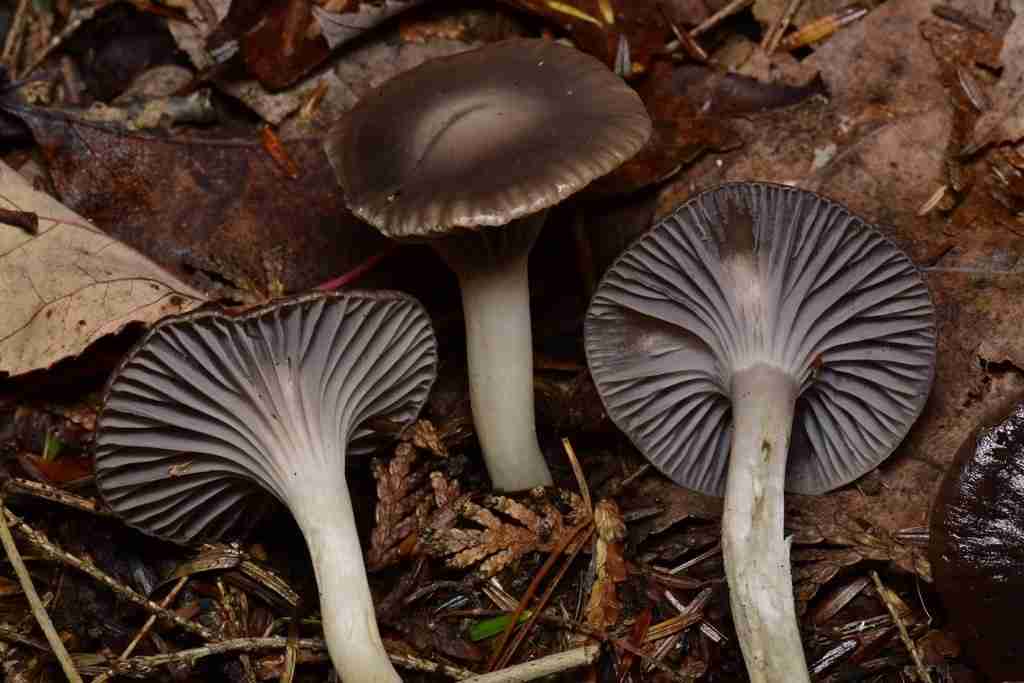
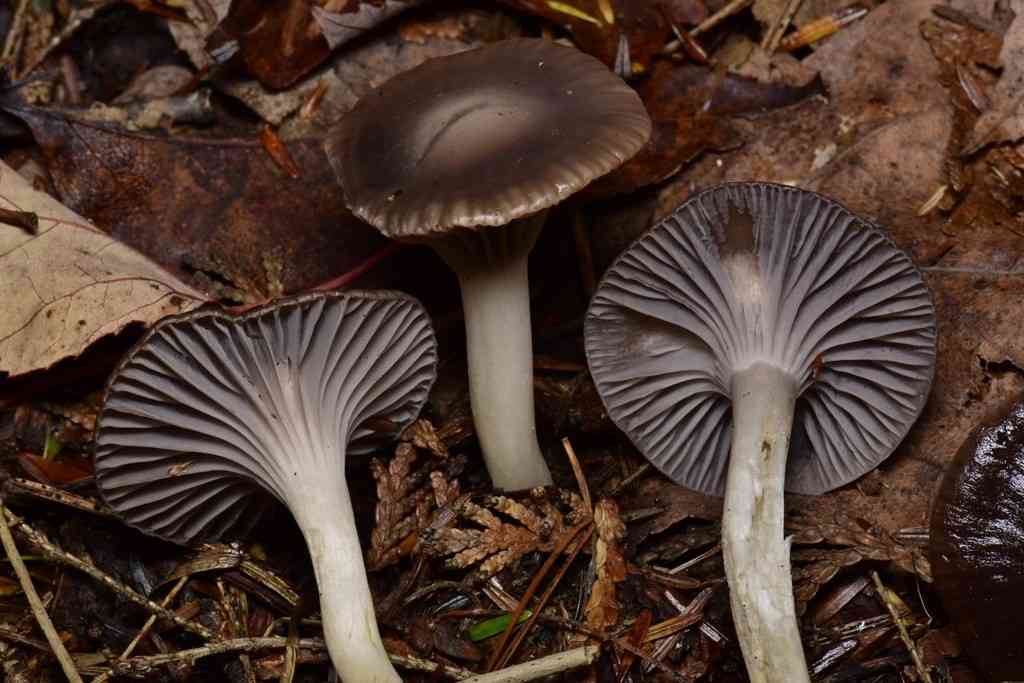
6 cm wide; broadly conical then flattening; grey; smooth, quite greasy; with a striate cap margin
Cap Shape
Central Bump
Cap Surfaces
Slimy or slightly sticky
Gills
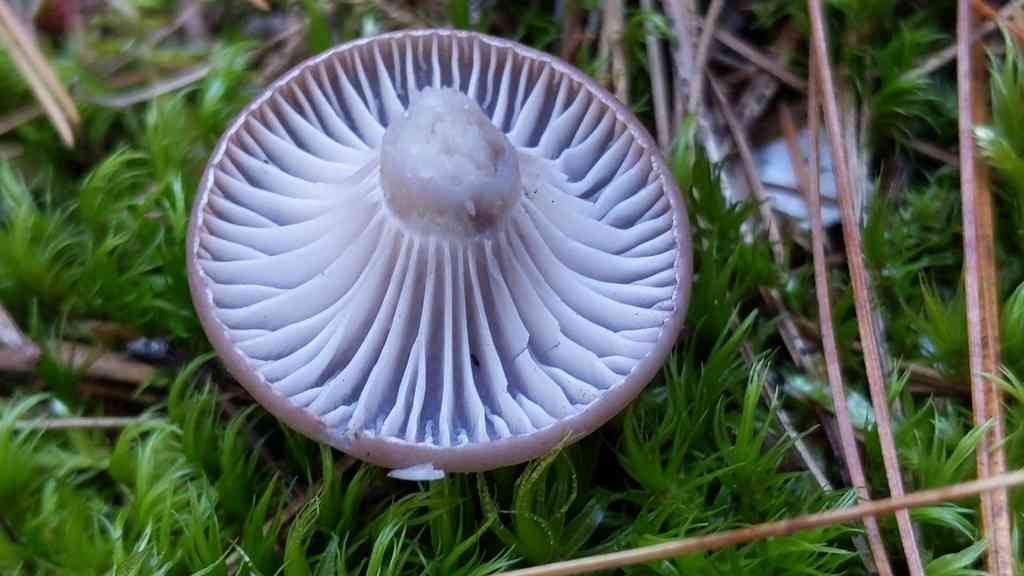
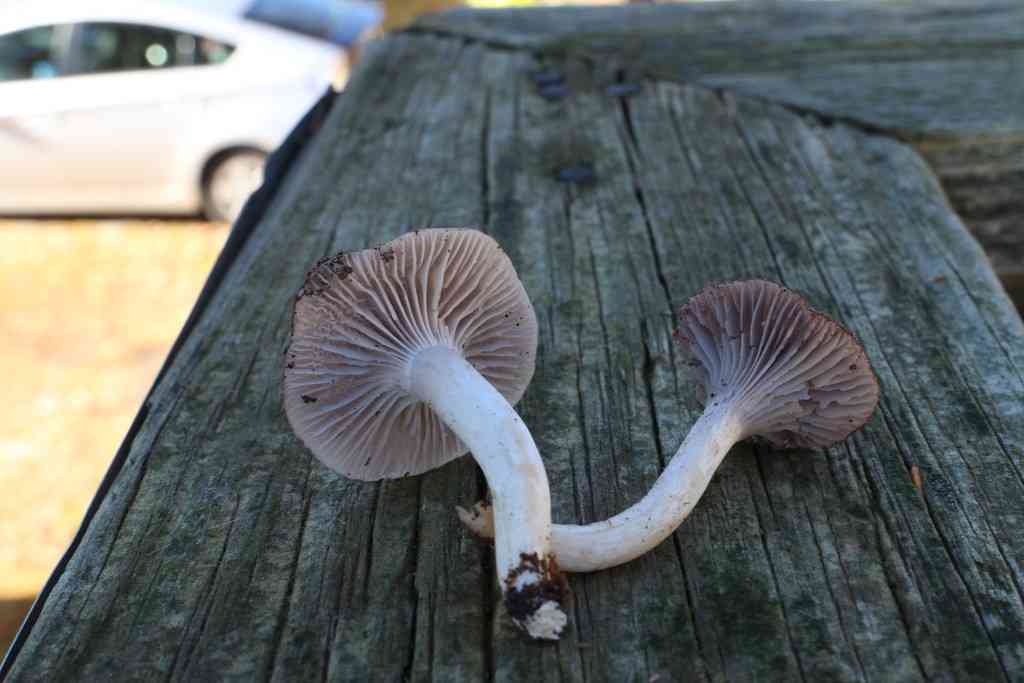
Decurrent; distant, sometimes forking; pale gray to gray-violet
Gill Attachment
Decurrent
Stem
3 - 7 cm long, up to 1.2 cm thick; equal or tapering downward; whitish; dry, smooth
Stem Shapes
Tapering
Flesh
Thick; colored like the cap or paler
Ring
Ringless
Spore Print Color
White
Odor
Mildly mushroomy but not distinctive.
Body Color
GrayWhite
Flesh Bruises
The flesh or milk does not discolor when bruised or cut.
Growth Form
Solitary, Scattered, Gregarious
Nutrient Gathering
Saprophytic
Substrate
On wood
You can find Grey waxcap by these plants
Pines, Spruces, Oaks
Species Status
Vulnerable
Endangered Species
No
Scientific Classification of Grey waxcap
Phylum
Club fungi
Class
Mushroom-forming fungi
Order
Gilled fungi
Family
Waxgills
Genus
Waxcaps
Toxicity and Edibility of Grey waxcap
Is Grey waxcap Toxic?
Toxicity information is not available for this mushroom. Always consult with an expert before consuming any wild mushrooms.

