How Often Should You Water Your Common freesia?
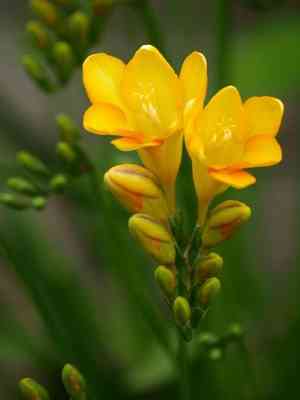
1
Provide moisture to your Common freesia every one to two weeks, or once the upper 2-3 cm (approximately 1 inch) of substrate has dried.
2
Employ water at ambient temperature to prevent root stress for your Common freesia, as it thrives with stable soil environments.
3
During its active growing seasons, typically spring and summer, your Common freesia will need more regular irrigation than during its dormant period in autumn and winter.
Grasping Common Freesia's Hydration Requirements
The Crucial Role of Proper Moisture
Water is vital for your Common freesia's health and vigor. It aids essential functions like nutrient absorption, photosynthesis, and overall development. Adequate hydration ensures these processes work optimally, allowing your plant to produce its renowned beautiful flowers. Insufficient watering can cause hindered growth and poor blooming, while excessive watering may result in root rot and other problems. Therefore, finding the correct balance is essential for a thriving Common freesia.
Elements Influencing Water Needs
Several elements impact how much water your Common freesia requires. These include its developmental stage, ambient temperatures, humidity levels, and the soil type it's cultivated in. For example, freesias in fast-draining soil will need more frequent irrigation than those in moisture-retentive soils. Likewise, during warm, dry weather, the plant's water demands will rise compared to cooler, more humid conditions. Recognizing these factors helps you modify your watering schedule effectively.
How to Water Common Freesia: An Explanatory Guide
Stage 1: Assess Soil Dampness
Before irrigating your Common freesia, evaluate the soil's moisture content. Insert your finger approximately 2-3 cm (about 1 inch) into the earth. If it feels dry, it's time to water. If it remains moist, wait a few more days before rechecking. This tactile test helps prevent overwatering, which can be detrimental to the plant's root system.
Stage 2: Select Appropriate Watering Implements
Choose a watering can with a narrow spout to direct water precisely to the plant's base. Alternatively, a soaker hose or drip system can be very efficient, especially for garden plots. Ensure the water is at room temperature to prevent shocking the roots. Using cold water can stress the plant, impacting its overall well-being.
Stage 3: Deliver Water at the Base
Thoroughly water your Common freesia at its base, avoiding the foliage. This technique reduces the risk of fungal diseases and ensures that moisture reaches the root zone where it is most needed. Continue watering until you observe seepage from the drainage holes if your plant is in a pot. This indicates the soil is fully saturated.
Optimal Practices for Irrigating Common Freesia
Maintaining Regular Watering
Consistency is paramount when hydrating your Common freesia. Establish a routine based on the plant's requirements and environmental conditions. Regularly scheduled irrigation helps the plant develop a strong root system and flourish throughout its active growth period. Remember, inconsistent watering can lead to stress and affect the plant's capacity to bloom.
Adjusting Schedule by Season
Your Common freesia's water requirements will change with the seasons. During the active growth periods of spring and summer, increase watering frequency, as the plant uses more water for growth and flower production. Conversely, during autumn and winter, when the plant is dormant, decrease watering frequency to prevent waterlogging. Adapting your watering schedule to seasonal shifts helps maintain the plant's health year-round.
Monitoring Plant Condition
Observe your Common freesia for any indications of water stress, such as yellowing leaves, drooping foliage, or poor flowering. These can signal either overwatering or underwatering. Periodically examine the plant and modify your watering habits accordingly to address any issues promptly. Healthy leaves and vibrant blooms signify that your watering regimen is effective.
Common Watering Errors to Avoid with Common Freesia
Excessive Watering and Its Consequences
One of the most frequent errors with Common freesia is overwatering. Too much water can cause root rot, a condition where the roots decay and can no longer absorb nutrients efficiently. This can severely harm the plant, leading to stunted development and, ultimately, plant demise. To prevent this, always check soil moisture before watering and ensure proper drainage in your containers or garden beds.
Insufficient Watering and Plant Stress
Conversely, underwatering your Common freesia can lead to desiccation, causing the leaves to wilt and the plant to become stressed. It can impede flowering and result in a weak and unhealthy plant. Regularly monitor the soil moisture and establish a consistent watering routine to ensure your plant receives adequate hydration.



