How to Transplant Elliott's yellow-eyed grass?
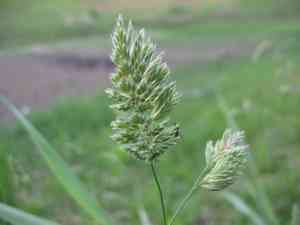
Elliott's yellow-eyed grass flourishes when relocated during the prime period of early to mid-spring, once the ground temperature becomes adequate for root development. Select bright, moist environments to guarantee vigorous expansion. Refrain from needlessly disrupting the root system.
What Preparations are Needed Before Transplanting Elliott's Yellow-eyed Grass?
What is the Ideal Time for Transplanting Elliott's Yellow-eyed Grass?
The best time to move elliott's yellow-eyed grass is during early to mid-spring. This season offers mild temperatures and ample soil moisture, crucial for root establishment. Relocating elliott's yellow-eyed grass then ensures better development due to favorable conditions. The cooler weather lessens transplant shock, while moist soil aids root expansion and nutrient uptake.
How Much Space Should You Leave Between Elliott's Yellow-eyed Grass Plants?
When relocating elliott's yellow-eyed grass, position each plant 12-18 inches (30-45 cm) apart. This provides sufficient room for growth and ensures good air circulation, which promotes plant health.
What is the Best Soil Mix for Elliott's Yellow-eyed Grass Transplanting?
For elliott's yellow-eyed grass, prepare the soil using a well-draining sandy or loamy mixture. You can enrich it with a balanced, slow-release fertilizer to give the plants a strong start.
Where Should You Relocate Your Elliott's Yellow-eyed Grass?
Elliott's yellow-eyed grass thrives in full sun to partial shade. Select a spot that receives at least 6 hours of daily sunlight to ensure optimal growth and flowering.
What Equipments Should You Prepare Before Transplantation Elliott's Yellow-eyed Grass?
Gardening Gloves
To safeguard your hands while handling soil and plants.
Shovel or Spade
For excavating the plant from its original spot and preparing the new planting hole.
Trowel
Useful for smaller or more delicate digging tasks.
Watering Can or Hose
To hydrate the elliott's yellow-eyed grass plant before and after its relocation.
Wheelbarrow
For moving the plant if necessary, especially helpful for larger specimens.
Mulch
Helps retain moisture and shield the plant post-transplant.
Stakes and Ties
To offer support to the elliott's yellow-eyed grass plant during its establishment phase if required.
How Do You Remove Elliott's Yellow-eyed Grass from the Soil?
How Do You Remove Elliott's Yellow-eyed Grass from the Soil?
From Ground: First, water the elliott's yellow-eyed grass plant to moisten the soil. Then, dig a wide trench around the plant using a shovel or spade, ensuring the plant's root ball remains intact. Carefully work the spade beneath the root ball to lift the plant from its original location.From Pot: Water the elliott's yellow-eyed grass plant thoroughly to help loosen the soil. Gently tap the pot's sides to further loosen the soil. Hold the plant's base and carefully slide it out of the pot, taking care not to harm the roots.From Seedling Tray: Water the elliott's yellow-eyed grass plant in the seedling tray to facilitate removal. Using a trowel, gently lift each seedling from the tray by working under the roots, ensuring the root ball stays intact.
Step-by-Step Guide for Transplanting Elliott's Yellow-eyed Grass
Plant Removal
Carefully extract the elliott's yellow-eyed grass plant from its initial spot using the methods described previously.
Prepare Planting Hole
Dig a hole in the new site that is twice as wide and as deep as the elliott's yellow-eyed grass plant's root ball.
Place Plant in Hole
Gently position the elliott's yellow-eyed grass plant into the hole, ensuring the top of the root ball is level with the surrounding ground.
Backfill Soil
Refill the hole with the excavated soil, gently pressing it down to eliminate any air pockets while ensuring the plant is stable.
Water Thoroughly
Water the elliott's yellow-eyed grass plant deeply to help settle the soil around the roots and provide initial hydration.
Apply Mulch
Spread a layer of mulch around the base of the elliott's yellow-eyed grass plant, avoiding direct contact with the stem, to help retain moisture and protect the roots.
How Do You Care For Elliott's Yellow-eyed Grass After Transplanting?
Watering
Keep the soil around the elliott's yellow-eyed grass consistently moist, but not waterlogged, for the initial weeks post-transplant to encourage strong root development.
Protect from Extreme Weather
Consider providing shade or wind protection if severe weather is anticipated soon after transplanting.
Monitoring Growth
Regularly inspect the elliott's yellow-eyed grass for signs of distress, such as wilting or yellowing leaves, and adjust care as needed.
Troubleshooting Common Issues with Elliott's Yellow-eyed Grass Transplantation.
When is the best time to transplant elliott's yellow-eyed grass?
The ideal time to transplant elliott's yellow-eyed grass is from early to mid-spring for optimal growth.
How far apart should I space elliott's yellow-eyed grass?
Space elliott's yellow-eyed grass plants 12-18 inches (30-45 cm) apart to allow for healthy growth.
What soil conditions does elliott's yellow-eyed grass prefer?
Elliott's yellow-eyed grass thrives in well-drained, acidic soils with good moisture retention.
How to ensure elliott's yellow-eyed grass survives the transplant?
Water thoroughly after transplanting and keep the soil consistently moist for the first few weeks.
What should I do if elliott's yellow-eyed grass wilts after transplanting?
Provide shade and increase watering until elliott's yellow-eyed grass adjusts to its new environment.
Can I use fertilizer when transplanting elliott's yellow-eyed grass?
A balanced, slow-release fertilizer can help boost elliott's yellow-eyed grass's initial growth post-transplant.
How deep should I plant elliott's yellow-eyed grass?
Plant elliott's yellow-eyed grass at the same depth it was growing in its original location.
How to deal with transplant shock in elliott's yellow-eyed grass?
Mulch around the base and water regularly to reduce transplant shock in elliott's yellow-eyed grass.
Is it necessary to prune elliott's yellow-eyed grass before transplanting?
Pruning helps reduce stress and encourages new growth when you transplant elliott's yellow-eyed grass.
What is the recommended watering schedule after transplanting elliott's yellow-eyed grass?
Water elliott's yellow-eyed grass thoroughly immediately after planting and keep the soil moist, watering daily if necessary.



