How to Transplant Walter's viburnum?
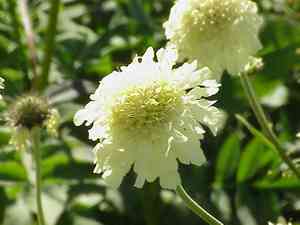
The ideal period for transplanting Walter's viburnum is during the transition from spring to summer or as autumn begins. These times offer mild conditions, which are essential for the roots to take hold. Select a site that replicates its native environment to ensure the best development. A helpful suggestion: look for areas with soil that drains effectively and receives filtered sunlight.
What Preparations are Needed Before Transplanting Walter's Viburnum?
What is the Ideal Time for Transplanting Walter's Viburnum?
The optimal period for relocating walter's viburnum is during the pleasant warmth of late spring or from mid-autumn until its conclusion. This timing aligns with walter's viburnum's natural growth cycle, facilitating a smooth transition and strong root development. Additionally, the milder temperatures and moist soil create an ideal environment for walter's viburnum to flourish, reducing transplant stress and encouraging vigorous growth.
How Much Space Should You Leave Between Walter's Viburnum Plants?
When providing walter's viburnum with a new home, aim for a comfortable distance between them – approximately 6 to 12 feet apart, or about 1.8 to 3.6 meters. This provides ample room for them to thrive without overcrowding!
What is the Best Soil Mix for Walter's Viburnum Transplanting?
For walter's viburnum, consider the soil its comfortable resting place. Well-draining soil is preferable, containing a balanced mix of sand, silt, and clay. Before planting, incorporate some all-purpose slow-release fertilizer to give walter's viburnum a nourishing start!
Where Should You Relocate Your Walter's Viburnum?
When selecting a sunny location for walter's viburnum, consider where you personally enjoy soaking up the sun! They prefer full to partial sunlight, so a spot that receives a good blend of sun and shade throughout the day is perfect.
What Equipments Should You Prepare Before Transplantation Walter's Viburnum?
Gardening Gloves
To safeguard your hands while handling soil and plants.
Shovel or Spade
For excavating the plant and its root ball, and for digging the new planting hole.
Garden Fork
To loosen the ground and assist in lifting the plant with minimal root damage.
Pruning Shears
To trim any damaged roots or branches.
Wheelbarrow or Tarp
For moving the plant and soil to maintain cleanliness.
Watering Can or Hose
To hydrate the plant before and after transplantation.
Mulch
To help retain soil moisture around the new planting site.
How Do You Remove Walter's Viburnum from the Soil?
How Do You Remove Walter's Viburnum from the Soil?
From Ground: First, water the walter's viburnum plant to moisten the soil, making it easier to manage. Use a shovel or spade to dig a wide circle around the plant to avoid cutting into the root ball. Carefully slide the shovel beneath the root ball and gently lift the plant from the ground.From Pot: Begin by watering the walter's viburnum in its container to lessen transplant shock. Tilt the pot sideways and tap the bottom to loosen the plant. Gently slide the root ball out, supporting the plant by the base of the stem, not the leaves or branches.From Seedling Tray: Dampen the soil of the seedling tray before carefully easing the walter's viburnum seedling out with a small tool like a dibber or a spoon, taking care not to disturb the roots.
Step-by-Step Guide for Transplanting Walter's Viburnum
Preparation
Ensure that the new site for walter's viburnum has been adequately prepared, with a hole that is twice the width of the root ball and of equal depth.
Extracting walter's viburnum
Using the appropriate method from the 'Removal Process' section, carefully extract walter's viburnum from its current location, keeping as much of the root ball intact as possible.
Transition
Before placing walter's viburnum in its new location, inspect the root ball for any circling or girdled roots and prune if necessary.
Planting
Position walter's viburnum in the center of the pre-dug hole, ensuring it is at the same depth it was previously growing. Backfill the hole with soil, gently tamping down to eliminate air pockets.
Stabilizing
Water the walter's viburnum thoroughly after planting to settle the soil around the roots and provide hydration for the plant.
Mulching
Apply a layer of mulch around the base of walter's viburnum, but not touching the stem, to conserve moisture and regulate soil temperature.
How Do You Care For Walter's Viburnum After Transplanting?
Watering
Provide walter's viburnum with 1 inch of water weekly if there is no rainfall, and avoid excessive watering which can lead to root rot.
Supporting
Stake walter's viburnum if needed to protect against strong winds until its roots are established.
Monitoring
Regularly check walter's viburnum for signs of transplant shock, such as wilting or discolored leaves, and take appropriate action if necessary.
Pruning
Avoid extensive pruning after transplanting to allow walter's viburnum to focus on re-establishing roots; only remove damaged or dead growth.
Troubleshooting Common Issues with Walter's Viburnum Transplantation.
What's the ideal time to transplant walter's viburnum for best growth?
Transplant walter's viburnum during late spring to early summer, or from mid-autumn to late autumn for optimal root establishment.
How far apart should I space walter's viburnum when transplanting?
Space walter's viburnum approximately 6 feet to 12 feet (1.8 meters to 3.7 meters) apart to ensure adequate growth space.
Why is my walter's viburnum wilting after transplanting?
Wilting can be due to transplant shock. Ensure proper watering and avoid disturbing the roots too much during the process.
How deep should the hole be for transplanting walter's viburnum?
Dig a hole twice as wide and the same depth as the root ball to accommodate walter's viburnum's roots without bending.
Can I transplant walter's viburnum in full sun?
Yes, walter's viburnum thrives in full sun to partial shade. Just ensure it's watered regularly after transplanting.
How can I tell if walter's viburnum needs more water post-transplant?
Leaves may droop or yellow. Make sure the soil is moist, but not waterlogged, to help walter's viburnum recover.
What's the best way to handle walter's viburnum's roots during transplant?
Handle roots gently, spread them out in the hole, and avoid tightly packing soil to prevent damage.
How much should I water walter's viburnum after transplanting?
Water deeply after transplanting, then regularly keep soil moist but not soaked for several weeks while walter's viburnum establishes.
What should I do if the leaves of walter's viburnum turn brown after transplanting?
Browning usually indicates stress. Ensure proper watering and protect the plant from extreme temperatures.
Can I use fertilizer immediately after transplanting walter's viburnum?
Wait a few weeks before fertilizing to prevent burning the roots. Let walter's viburnum establish itself first.



