How to Transplant Sarsparilla vine?
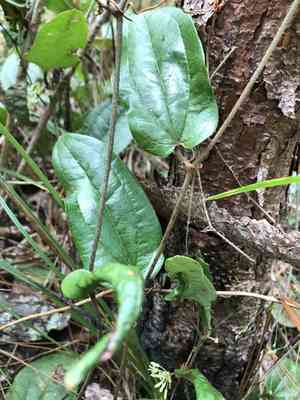
The optimal period for transplanting sarsparilla vine is during nature's revival, from early spring through the middle of the season. Select locations receiving filtered light and possessing fertile, adequately draining earth. Handle their root systems with care to facilitate a smooth relocation to their new environment.
What Preparations are Needed Before Transplanting Sarsparilla Vine?
What is the Ideal Time for Transplanting Sarsparilla Vine?
The prime period for relocating sarsparilla vine is the revitalizing phase of early to mid-spring. Moving sarsparilla vine as nature reawakens maximizes root establishment prior to summer heat. This timing is favorable, allowing sarsparilla vine to strengthen its root system in moderate temperatures and benefit from spring's natural moisture surge. A gentle reminder: mild spring conditions promote vigorous growth for sarsparilla vine, ensuring a successful transplant.
How Much Space Should You Leave Between Sarsparilla Vine Plants?
For your sarsparilla vine, aim for optimal spacing - approximately 3-5 feet (91-152 cm) apart. This provides each plant ample room to develop without competing for resources, ensuring they can flourish and become stunning additions to your garden!
What is the Best Soil Mix for Sarsparilla Vine Transplanting?
Before introducing your sarsparilla vine to its new home, incorporate well-draining loamy soil with some organic compost to create a comfortable bed. A sprinkle of balanced, slow-release fertilizer will provide an excellent start. Consider it a welcoming treat for your green companions!
Where Should You Relocate Your Sarsparilla Vine?
Find a sunny to partly shaded spot for your sarsparilla vine, where it can enjoy gentle morning sun with some afternoon relief. A location receiving about 4-6 hours of daily sunlight is perfect, leading to a happy, thriving vine.
What Equipments Should You Prepare Before Transplantation Sarsparilla Vine?
Gardening Gloves
To shield your hands while handling soil and plants.
Spade or Shovel
For digging and lifting the root mass.
Hand Trowel
For more precise excavation, especially near the root area.
Watering Can or Hose
To hydrate the plant before and after the relocation process.
Pruning Shears
To trim any damaged or elongated roots or stems.
Wheelbarrow or Garden Cart
To move the plant and soil efficiently.
Rooting Hormone (optional)
To stimulate root development after replanting.
Mulch
To help maintain soil moisture and suppress weeds around the new planting site.
Stakes or Trellis
For supporting the vine as it grows in its new location.
How Do You Remove Sarsparilla Vine from the Soil?
How Do You Remove Sarsparilla Vine from the Soil?
From Ground: Hydrate the sarsparilla vine to moisten the soil. Then, excavate a wide area around the plant with a shovel, being careful not to harm the root ball. Use the spade beneath the root ball to gently lift the plant.From Pot: Water the sarsparilla vine and allow excess water to drain. Tip the pot sideways and lightly tap the bottom to loosen the soil. Slide the plant out while supporting its base and root ball.From Seedling Tray: Water the seedlings to ensure the soil is damp. Use a hand trowel to carefully lift each plant, making sure each has a good amount of soil clinging to its roots.
Step-by-Step Guide for Transplanting Sarsparilla Vine
Establishing Support
Install stakes or a trellis at the planting site so the sarsparilla vine has immediate support for climbing.
Digging the Hole
Excavate a hole that is twice as wide and equally deep as the root ball. Loosen the soil at the bottom of the hole with a trowel.
Root Pruning
Use pruning shears to remove any broken or excessively long roots to encourage healthy growth.
Placing the Plant
Carefully position the sarsparilla vine into the hole, gently spreading its roots. The plant's base should be level with the surrounding soil surface.
Backfilling
Gradually refill the hole with soil, gently firming it down to eliminate air pockets.
Watering In
Thoroughly water the sarsparilla vine after planting to settle the soil and hydrate the roots.
Mulching
Apply mulch around the base of sarsparilla vine, keeping it away from the stem to prevent rot.
How Do You Care For Sarsparilla Vine After Transplanting?
Initial Watering
Water thoroughly at the time of planting and ensure the soil remains consistently moist for the subsequent weeks.
Staking Vines
Monitor the growth of sarsparilla vine and gently tie the vines to their supports to encourage upward growth and prevent tangling.
Monitoring Growth
Keep a close watch on your plant to detect any signs of stress or stunted growth, and address them promptly.
Troubleshooting Common Issues with Sarsparilla Vine Transplantation.
When's the best time to transplant sarsparilla vine?
The ideal transplanting period for sarsparilla vine is early to mid-spring, when new growth commences.
How far apart should I space sarsparilla vine during transplanting?
Space sarsparilla vine approximately 3-5 feet (0.9-1.5 meters) apart to allow for robust growth and expansion.
Why are my sarsparilla vine's leaves turning yellow after transplanting?
Yellowing foliage may indicate shock or irrigation problems. Ensure consistent moisture and avoid waterlogging.
What soil conditions are best for transplanting sarsparilla vine?
Plant sarsparilla vine in well-draining soil, rich in organic matter for vigorous growth.
Should I prune sarsparilla vine before transplanting?
Light pruning is beneficial; remove any dead or damaged growth to promote vitality.
How much sunlight does sarsparilla vine require after transplantation?
Place sarsparilla vine in an area with partial to full sunlight for thriving growth post-transplant.
Can I transplant sarsparilla vine during the summer or fall?
Transplanting sarsparilla vine in early to mid-spring is optimal, while summer or fall may stress the plant.
How do I water sarsparilla vine after transplanting?
Water deeply after transplanting, then regularly while sarsparilla vine establishes, avoiding dry soil and waterlogging.
What should I do if sarsparilla vine doesn't seem to establish well?
Ensure proper care with adequate water, sunlight, and check for soil compatibility or pests.
Is it necessary to fertilize sarsparilla vine after transplanting?
Wait a few weeks before fertilizing to prevent root burn, then use a balanced fertilizer.



