How to Transplant Common goldenthistle?
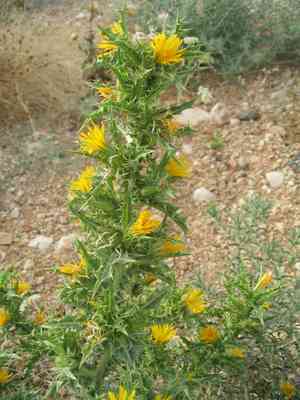
The optimal period for relocating common goldenthistle spans from the mildness of late spring into the pleasant early summer, facilitating root development. Choose locations bathed in sunlight with soil that drains effectively. Careful management of the root system is crucial for successful integration.
Essential Preparations Before Relocating Common Goldenthistle
Optimal Period for Relocating Common Goldenthistle?
The best period for relocating common goldenthistle falls between the end of vibrant spring and the beginning of warm early summer. Moving common goldenthistle at this point allows the plant to establish itself when the ground is warm and welcoming, promoting strong root development before colder periods. Choosing this season promises to give common goldenthistle a head start, maximizing its capacity to flourish and thrive, which celebrates the ongoing cycle of growth and renewal.
Recommended Spacing Between Common Goldenthistle Plants?
Hello there! When relocating your common goldenthistle, aim for a spacing of approximately 12-18 inches (30-45 cm) between them. This provides each plant ample room to develop robustly and healthily without crowding its neighbors!
Ideal Soil Mixture for Common Goldenthistle Relocation?
The perfect environment for your common goldenthistle begins with well-draining soil rich in organic material. Before planting, incorporate some compost or a balanced slow-release fertilizer to give your common goldenthistle an excellent start. This will fuel their rapid growth!
Optimal Location for Your Common Goldenthistle?
Your common goldenthistle thrives in sunlight! Select a location with full sun exposure to keep them content and flourishing. This means at least 6 hours of direct sunlight daily. A sunny spot will result in more blooms and stronger plants.
Equipment Needed Before Relocating Common Goldenthistle?
Gardening Gloves
To safeguard your hands while handling soil and plants.
Shovel or Spade
For excavating the common goldenthistle from its current spot and preparing the new planting hole.
Garden Fork
To gently loosen the soil around the root ball without harming the roots.
Watering Can or Hose
To hydrate the plant before and after its relocation.
Wheelbarrow or Garden Cart
For moving the common goldenthistle if necessary.
Pruning Shears
To trim any damaged roots or foliage.
How to Extract Common Goldenthistle from the Soil?
How to Extract Common Goldenthistle from the Soil?
From Ground: Hydrate the common goldenthistle to moisten the soil, facilitating its removal. Dig a wide circle around the common goldenthistle with a shovel, being careful to preserve the root ball's integrity. Gently work the spade or garden fork beneath the plant to carefully lift it out.From Pot: Water the soil in the container before beginning. Turn the pot on its side and gently tap or press the sides to loosen the common goldenthistle. Carefully slide the plant out, supporting the root ball to prevent it from disintegrating.From Seedling Tray: Moisten the soil to ease removal. Use a spoon or a small trowel to gently lift the common goldenthistle, taking care not to harm the delicate roots and shoots.
Step-by-Step Guide for Relocating Common Goldenthistle
Prepare New Site
Excavate a hole twice as wide and equally deep as the common goldenthistle's root ball.
Root Ball Care
Inspect the root ball and trim any damaged roots with pruning shears. Gently untangle the roots if they are pot-bound.
Placement
Position the common goldenthistle into the hole at the same depth it was previously growing. Carefully spread out the roots.
Backfilling
Carefully refill the hole with soil, firming it around the root ball to eliminate air pockets.
Watering
Thoroughly water the common goldenthistle after planting to settle the soil around the roots and aid recovery from transplant shock.
Mulching
Apply a layer of mulch around the base of the common goldenthistle to help retain moisture and regulate soil temperature.
Post-Relocation Care for Common Goldenthistle
Consistent Hydration
Ensure the soil around the common goldenthistle remains consistently moist without overwatering, especially during its initial growth season.
Observation
Monitor the common goldenthistle for indications of transplant shock, such as wilting or discolored leaves, and address them promptly with appropriate care.
Mulch Renewal
Periodically check the mulch and replenish it if it begins to break down or shift to maintain its benefits.
Root Development
Avoid disturbing the soil around the common goldenthistle to allow roots to establish without interference.
Resolving Common Issues with Common Goldenthistle Relocation.
What's the ideal time to relocate common goldenthistle?
The best time is during late spring to early summer when temperatures are moderate.
How far apart should I space common goldenthistle when relocating?
Space them approximately 12-18 inches (30-45 cm) apart for adequate growth.
What soil conditions are favorable for common goldenthistle relocation?
Well-draining soil with moderate fertility is optimal for common goldenthistle.
How deep should the holes be for relocating common goldenthistle?
Dig holes that are twice the width of the root ball but as deep as the container they originated from.
What should I do if common goldenthistle wilts after relocating?
Ensure it receives sufficient water, shade from intense sunlight, and check for root damage.
Can common goldenthistle be relocated on a hot day?
It's best to avoid relocating during hot conditions. Choose a cooler part of the day if necessary.
Should I fertilize common goldenthistle immediately after relocating?
Wait 3-4 weeks before applying a balanced fertilizer to allow common goldenthistle to settle.
How much should I water common goldenthistle after relocation?
Water thoroughly until the soil is moist, not saturated, and maintain consistent moisture.
Why are my relocated common goldenthistle plants drooping?
Drooping may be due to transplant shock. Keep the soil moist and provide shade for a few days.
What is transplant shock and how can I help common goldenthistle recover?
Transplant shock occurs when moving common goldenthistle disrupts its roots. Minimize stress by gradually acclimatizing it to the new location.



