How to Transplant Goldeneye phlox?
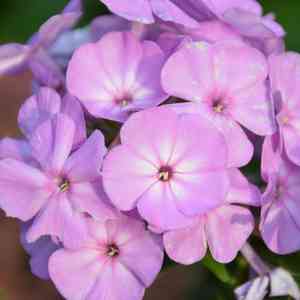
The optimal period for relocating goldeneye phlox spans from the onset of mid-spring to the peak of late spring, providing perfect conditions for development. Select a spot that receives abundant sunlight and possesses good drainage to facilitate a smooth adjustment for this beloved perennial. A helpful suggestion: avoid overly damp or shadowed areas to foster vigorous growth and prolific blooming.
What Preparations are Needed Before Transplanting Goldeneye Phlox?
What is the Ideal Time for Transplanting Goldeneye Phlox?
The optimal period for relocating goldeneye phlox is during the sweet spot of spring, typically spanning from mid-spring to early summer. Moving goldeneye phlox during this prime growth phase provides it with a generous duration of mild temperatures, crucial for root establishment without the harshness of summer's heat. The favorable weather conditions ensure goldeneye phlox can thrive, facilitating a smooth transition to its new location with abundant future blooms. This timing is ideal for goldeneye phlox to establish and flourish!
How Much Space Should You Leave Between Goldeneye Phlox Plants?
When establishing a new home for your goldeneye phlox, allow ample room for root expansion! Aim to position each plant approximately 15-18 inches (38â46 cm) apart. This spacing will enable your goldeneye phlox to reach their full potential without competing for vital nutrients!
What is the Best Soil Mix for Goldeneye Phlox Transplanting?
Your goldeneye phlox will flourish in well-drained soil rich in organic matter. Prior to transplanting, incorporate compost or a balanced slow-release fertilizer to provide your goldeneye phlox with a nutritional boost. A proper start with the right soil will promote robust growth!
Where Should You Relocate Your Goldeneye Phlox?
For a thriving goldeneye phlox, select a garden location that receives full sun to partial shade. They prefer at least 6 hours of daily sunlight. This sunny spot will ensure your goldeneye phlox displays vibrant flowers and healthy development!
What Equipments Should You Prepare Before Transplantation Goldeneye Phlox?
Gardening Gloves
To safeguard your hands while handling soil and plants.
Shovel or Spade
For excavating the plant and preparing the new planting site.
Garden Fork
To gently loosen the soil around the plant's root system without causing harm.
Watering Can or Hose
To hydrate the plant before and after the relocation process.
Wheelbarrow
To transport goldeneye phlox if large, or to move soil and mulch.
Pruning Shears
To trim any damaged roots or excessive upper growth.
Garden Trowel
For more precise soil work and smaller transplanting tasks.
Measuring Tape
To assist in accurately spacing planting holes.
How Do You Remove Goldeneye Phlox from the Soil?
How Do You Remove Goldeneye Phlox from the Soil?
From Ground: First, moisten the goldeneye phlox to dampen the soil. Next, excavate a wide trench around the plant using a shovel or spade, ensuring the plant's root ball remains intact. Carefully work the spade beneath the root ball to lift the plant from its original position.From Pot: Gently tilt the pot sideways and tap its sides to loosen the goldeneye phlox. Grasp the plant's base and slowly ease it out. If the plant is stuck, you can press on the pot's bottom or use a garden trowel for assistance.From Seedling Tray: Hydrate the soil in the tray to facilitate the process. Using a garden trowel or a spoon, carefully lift each goldeneye phlox seedling by pushing beneath the root area to prevent damage to the delicate root system.
Step-by-Step Guide for Transplanting Goldeneye Phlox
Preparation
Thoroughly water the goldeneye phlox one day prior to transplanting to minimize plant stress.
Removal
Utilize the appropriate removal method from the instructions to carefully extract the goldeneye phlox from its initial location.
Transplant Site
Dig a hole that is twice the width and equal to the depth of the goldeneye phlox's root ball.
Plant Inspecting
Examine the goldeneye phlox's roots, trimming any broken or overly long ones with pruning shears.
Positioning
Place the goldeneye phlox in the center of the hole. The top of the root ball should be flush with or slightly above the surrounding soil level.
Backfilling
Gently refill the hole, lightly tamping the soil to eliminate air pockets. Water generously to settle the goldeneye phlox into place.
Mulching
Apply a layer of mulch around the goldeneye phlox to conserve moisture and regulate soil temperature, keeping it away from the plant's stem to prevent rot.
How Do You Care For Goldeneye Phlox After Transplanting?
Watering
Keep the goldeneye phlox adequately watered, especially during the initial weeks, to aid root establishment in its new spot.
Monitoring
Observe for signs of transplant shock, such as wilting or yellowing, and alleviate it by providing shade or additional water as needed.
Pruning
Remove any dead or damaged stems to encourage new growth and help the goldeneye phlox focus energy on developing strong roots.
Support
If the goldeneye phlox is tall or top-heavy, consider staking it to prevent wind damage until its roots are firmly anchored.
Mulching
Maintain the mulch layer to retain moisture and suppress weed competition, but ensure it does not touch the plant's crown.
Troubleshooting Common Issues with Goldeneye Phlox Transplantation.
Why is my goldeneye phlox wilting after transplanting?
Wilting can be a sign of shock. Ensure the soil remains moist and the plant is shaded for the first few days post-transplant.
What is the optimal transplant period for goldeneye phlox?
The ideal time for relocating goldeneye phlox is during the spring bloom, typically from mid to late spring.
How far apart should I space my goldeneye phlox plants?
Aim for a comfortable distance of 15-18 inches (38-45 cm) to allow each goldeneye phlox ample room to thrive.
Can I transplant goldeneye phlox on a hot, sunny day?
It's best to transplant goldeneye phlox on a cool, overcast day to minimize stress and prevent immediate water loss.
My goldeneye phlox looks droopy post-transplant. What can I do?
Ensure the root ball stays moist and the plant is protected from strong sunlight or winds while it acclimates.
How deep should I plant goldeneye phlox when transplanting?
The root crown should be at soil level; excavated holes should be as deep as the root ball but twice as wide.
Should I trim goldeneye phlox before transplanting?
Trimming is not necessary unless the plant has dead or damaged parts. Focus on establishing roots in their new location instead.
How long does it take for goldeneye phlox to recover from transplanting?
It typically takes several weeks for goldeneye phlox to establish and show new growth, given proper care.
Can I transplant goldeneye phlox in the same soil without additives?
Enriching the soil with compost or a balanced fertilizer during transplanting will provide goldeneye phlox with a better growth foundation.
What should I do if the leaves of goldeneye phlox are turning yellow?
Yellow leaves may indicate overwatering or poor drainage. Ensure the soil is moist but well-draining, and adjust watering accordingly.



