How to Transplant Erect prickly pear?
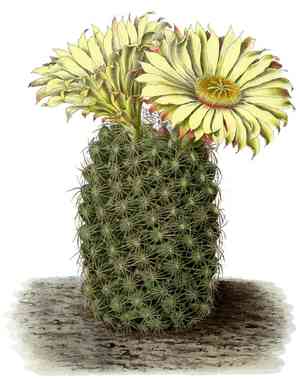
The most suitable period for transplanting upright prickly pear is from the end of summer through early autumn, which allows for root development prior to its resting phase. Choose locations that receive ample sunlight and offer effective water runoff. Careful manipulation is essential given their delicate structure.
What Preparations are Needed Before Transplanting Erect Prickly Pear?
What is the Ideal Time for Transplanting Erect Prickly Pear?
The optimal period for relocating erect prickly pear is from late summer to early autumn, taking advantage of milder weather that aids root establishment without intense heat stress. Moving erect prickly pear during this season allows for a smooth adjustment, ensuring robust growth come spring. With soil temperatures still warm and cooler air reducing transpiration, erect prickly pear will have an excellent start in its new spot.
How Much Space Should You Leave Between Erect Prickly Pear Plants?
When planning the spacing for erect prickly pear, maintain a gap of approximately 5-6 feet (about 1.5-1.8 meters). This ensures ample room for growth without competition for resources. This step is vital for giving your young plant a healthy beginning!
What is the Best Soil Mix for Erect Prickly Pear Transplanting?
For erect prickly pear, a soil blend of sand, loam, and well-decomposed compost yields excellent results. Before transplanting, prepare the foundational fertilizer by enriching the soil with an all-purpose slow-release plant food. This will supply the essential nutrients for optimal development.
Where Should You Relocate Your Erect Prickly Pear?
It's crucial to select a site for erect prickly pear that receives abundant sunlight throughout the day. They thrive in sun, so a bright spot in your garden or an area with at least 6 hours of sunlight is perfect.
What Equipments Should You Prepare Before Transplantation Erect Prickly Pear?
Gardening Gloves
To safeguard your hands from the sharp spines of the erect prickly pear.
Shovel or Spade
To excavate the plant from its original spot or to dig the new planting hole.
Gardening Trowel
Useful for digging up small plants or gently separating roots.
Gardening Fork
To help loosen soil around roots and keep them intact during transplanting.
Watering Can
To hydrate the plant before and after its relocation.
Gardening Shears
To trim off any dead or overgrown sections of the erect prickly pear prior to transplanting.
Wheelbarrow or Pot
To safely move the plant from one place to another without causing damage.
How Do You Remove Erect Prickly Pear from the Soil?
How Do You Remove Erect Prickly Pear from the Soil?
From Ground: Start by watering the erect prickly pear plant to moisten the soil. This facilitates digging and minimizes plant stress. Then, use a shovel or spade to carefully dig a wide trench around the plant, ensuring the root ball remains intact. Gradually work the spade beneath the plant to lift it out.From Pot: If the erect prickly pear is in a container, water it thoroughly beforehand. Turn the pot sideways, gently hold near the plant's base, and shake it free. If it's stubborn, you might need to tap the pot's bottom or roll it slightly to encourage the plant to release.From Seedling Tray: If the erect prickly pear is young and in a seedling tray, use a gardening trowel to carefully scoop the plant â including its roots â avoiding damage to the delicate stem.
Step-by-Step Guide for Transplanting Erect Prickly Pear
Site Preparation
Select a location that meets the sunlight and space requirements for the erect prickly pear. Dig a hole twice the size of your plant's root ball. Loosen the soil within and around the hole.
Plant Placement
Position your erect prickly pear in the hole, ensuring the top of the root ball is level with the surrounding soil. Adjust the soil beneath the plant to achieve the correct height if needed.
Back-filling
Gently refill the hole, lightly firming the soil as you go to ensure it surrounds the roots, reducing air pockets.
Watering
Once your erect prickly pear is planted, water it thoroughly. This will settle the soil and create good contact between the roots and the new soil.
Monitor
Observe the erect prickly pear over the next few days to confirm its stability and successful adaptation to the new location.
How Do You Care For Erect Prickly Pear After Transplanting?
Watering
While the erect prickly pear is relatively drought-tolerant, deep watering a few days post-transplant will help settle the soil and reveal any exposed soil/roots.
Pruning
Trim any parts of the erect prickly pear that appear damaged or wilting after transplant. This allows the plant to focus its energy on new growth.
Disease and Pest Monitoring
Keep an eye out for any pests or signs of illness. Early detection is crucial for preventing potential outbreaks.
Potted erect prickly pear
If your erect prickly pear is in a pot, ensure it's not sitting in water, as this can lead to root rot. Verify the pot has adequate drainage.
Troubleshooting Common Issues with Erect Prickly Pear Transplantation.
What is the ideal time to transplant erect prickly pear?
The best time to transplant erect prickly pear is during the S5-S7 season. This ensures the plant will have the most favorable conditions for healthy growth and establishment.
How far apart should erect prickly pear plants be spaced?
Erect prickly pear plants grow best when spaced 5-6 feet (1.5-1.8 meters) apart. This gives each plant enough room to grow and flourish.
Why is my transplanted erect prickly pear wilting?
Excessive or insufficient watering could cause your erect prickly pear to wilt. After transplanting, maintain a consistent moisture balance. Too much water can drown roots, while too little can dehydrate them.
Why are the leaves on my erect prickly pear turning yellow after transplant?
This may indicate a nutrient deficiency. After transplanting, ensure you're providing your erect prickly pear with a balanced, slow-release fertilizer to supply the necessary nutrients.
Why are the leaves of my erect prickly pear look shriveled after transplanting?
Shriveled leaves could signal underwatering or sunburn. Maintain a consistent watering schedule and shield your erect prickly pear from intense sunlight, especially during afternoon hours.
What to do if my erect prickly pear is not growing after transplanting?
Ensure that the erect prickly pear is receiving adequate sunlight, water, and nutrients. Also, confirm it's planted in well-drained soil and you've provided the recommended spacing.
What soil is best for transplanting my erect prickly pear?
Erect prickly pear thrives in well-draining soil. A mixture of sand, loam, and a small amount of compost works best. Improving soil composition creates ideal conditions for root development.
How deep should the hole be when transplanting erect prickly pear?
The hole should be just deep enough to cover the roots of the erect prickly pear, around 10 inches (25 cm). This allows the roots to establish quickly.
How often should I water my erect prickly pear after transplanting?
Water erect prickly pear thoroughly immediately after transplanting, then moderate watering to once a week or whenever the soil feels dry to the touch. Overwatering can lead to root rot.
What size pot should I use when transplanting erect prickly pear?
A pot with a diameter of approximately 18-24 inches (45-60 cm) is ideal for erect prickly pear. This size provides ample room for the root system to expand and thrive.



