How to Transplant Manchurian yellow loosestrife?
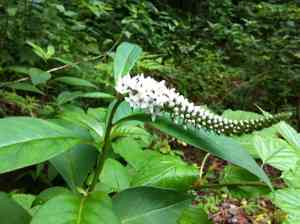
Manchurian yellow loosestrife flourishes most effectively when relocated from the beginning of spring until its end, and also during late autumn, owing to suitable ground temperatures. Select a spot with full sun or partial shade for peak development. Incorporate organic matter to enhance the soil if necessary.
Essential Preparations Before Relocating Manchurian Yellow Loosestrife
Optimal Timing for Relocating Manchurian Yellow Loosestrife?
The best period for moving manchurian yellow loosestrife is from early to late spring, or during late autumn. This timing benefits from mild temperatures and increased soil moisture, which aid root establishment. Transplanting during these windows reduces stress and promotes robust growth, ensuring successful adaptation to new sites.
Recommended Spacing Between Manchurian Yellow Loosestrife Plants?
When relocating manchurian yellow loosestrife, ensure each plant is spaced 18-24 inches (45-60 cm) apart. This provides ample room for comfortable growth and development.
Ideal Soil Blend for Manchurian Yellow Loosestrife Relocation?
Prepare well-draining soil, rich in organic matter, for manchurian yellow loosestrife. Incorporate a balanced base fertilizer, ideally one suited for perennials. This enriches the soil and supports healthy development.
Choosing a New Location for Your Manchurian Yellow Loosestrife?
Position manchurian yellow loosestrife in an area receiving full to partial sunlight. Ideally, they require at least 6 hours of daily sun exposure to flourish.
Tools Required Before Relocating Manchurian Yellow Loosestrife
Gardening Gloves
To safeguard your hands while handling soil and plants.
Shovel or Spade
For digging a perimeter around the plant and lifting it from its original spot.
Trowel
Useful for more precise digging and positioning the plant in its new home.
Wheelbarrow or Bucket
To move the plant and soil to the new planting site.
Watering Can or Hose
For thoroughly watering the plant before and after relocation.
Pruning Shears
To trim any damaged roots or broken stems.
Stakes and Plant Ties
To offer support to the plant if needed during the adjustment period.
How to Extract Manchurian Yellow Loosestrife from the Ground?
How to Extract Manchurian Yellow Loosestrife from the Ground?
From Ground: First, hydrate the manchurian yellow loosestrife plant to moisten the soil. Next, excavate a wide trench around the plant using a shovel or spade, ensuring the root ball remains intact. Carefully work the spade beneath the root ball to lift the plant from its initial location.From Pot: Water the manchurian yellow loosestrife plant to soften the soil. Gently tilt the pot sideways and tap its sides to loosen the soil. Carefully slide the plant out, supporting the root ball with one hand while holding the pot with the other. If the plant doesnât release easily, use a trowel to loosen the edges.From Seedling Tray: Water the seedlings in the tray. Use a small trowel or your fingers to gently lift each manchurian yellow loosestrife plant, taking care not to harm the delicate roots. Ensure you collect as much of the root system as possible when removing the seedlings.
Detailed Steps for Relocating Manchurian Yellow Loosestrife
Prepare New Planting Site
Dig a hole in the new spot that is twice as wide and equally deep as the manchurian yellow loosestrife plant's root ball.
Incorporate Compost
For improved soil structure, mix some compost into the excavated soil.
Remove Plant
Carefully extract the manchurian yellow loosestrife plant from its original position as outlined in the removal instructions.
Position Plant
Place the manchurian yellow loosestrife plant in the new hole, ensuring the top of the root ball is level with the surrounding ground.
Backfill Soil
Refill the hole with the native soil, gently firming it around the roots to eliminate air pockets.
Water Thoroughly
Water the manchurian yellow loosestrife plant generously to help settle the soil around the root ball.
Apply Mulch
Spread a layer of mulch around the base of the manchurian yellow loosestrife plant to retain moisture and suppress weeds.
Stake Plant (if necessary)
If the plant is tall or appears unstable, use stakes and plant ties to provide support.
Post-Transplantation Care for Manchurian Yellow Loosestrife
Watering
Keep the soil around the manchurian yellow loosestrife consistently moist, but not waterlogged, for the initial weeks after relocation to encourage strong root development.
Mulch Maintenance
Regularly inspect the mulch and replenish as needed to maintain a 2-3 inch layer.
Monitoring
Observe the manchurian yellow loosestrife for indications of stress such as wilting, yellowing foliage, or stunted growth, and adjust care accordingly.
Pest Control
Monitor for pests and implement appropriate control measures early to prevent damage to the newly transplanted specimen.
Fertilizing
Once the manchurian yellow loosestrife exhibits new growth, apply a balanced fertilizer according to package directions to support healthy development.
Addressing Common Issues During Manchurian Yellow Loosestrife Relocation.
When is the best time to relocate manchurian yellow loosestrife?
The optimal period to move manchurian yellow loosestrife is from early to late spring, or late autumn.
What spacing should I use when relocating manchurian yellow loosestrife?
When relocating manchurian yellow loosestrife, ensure they are spaced 18-24 inches (45-60 cm) apart for ideal growth.
How do I prepare the soil for relocating manchurian yellow loosestrife?
Improve the soil with compost and ensure good drainage to create a nutrient-rich foundation for manchurian yellow loosestrife.
What if manchurian yellow loosestrife appears wilted after relocation?
Maintain consistent soil moisture without overwatering, and provide partial shade to aid its recovery.
How deep should I plant manchurian yellow loosestrife during relocation?
Plant manchurian yellow loosestrife at the same depth it was previously growing to prevent root stress.
Can I relocate manchurian yellow loosestrife during the summer?
Relocating manchurian yellow loosestrife during summer is not recommended due to heat stress; early spring or late fall is preferable.
How often should I water manchurian yellow loosestrife after relocation?
Water manchurian yellow loosestrife thoroughly immediately after relocation and keep the soil evenly moist for the first few weeks.
What type of fertilizer should I use when relocating manchurian yellow loosestrife?
Utilize a balanced, slow-release fertilizer to support manchurian yellow loosestrife's growth during its establishment period.
Should I prune manchurian yellow loosestrife before relocating?
Trim back any damaged or excessively long stems to minimize transplant shock and encourage new growth.
How can I protect manchurian yellow loosestrife from transplant shock?
Minimize root disturbance, water adequately, and apply a layer of mulch to retain moisture and safeguard roots.



