How to Transplant Arctic lupine?
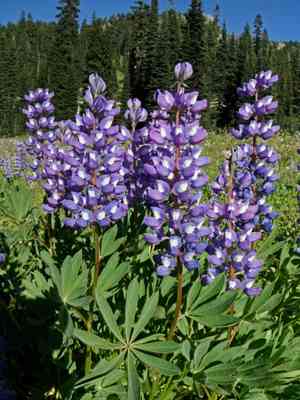
The most favorable period for transplanting arctic lupine is in the revitalizing span of early to mid-spring, which guarantees vigorous development. Select a location bathed in sunlight with soil that drains effectively. Carefully place arctic lupine in its new environment, facilitating a smooth adjustment without excessive elaboration.
What Preparations are Necessary Before Relocating Arctic Lupine?
What is the Optimal Period for Moving Arctic Lupine?
Discover the perfect moment to rehouse your arctic lupine! Target the time when frost has receded and the ground is workableâideally, in the early days of spring. Transplanting arctic lupine during this season leverages the cool, damp conditions, allowing roots to establish without the strain of summer heat. This leads to a more robust, resilient plant prepared to flourish in the upcoming growth cycle. Isn't it wonderful to align with nature's signals for peak development? So, gather your gardening tools when spring's touch is still fresh and let arctic lupine embrace the promise of a fresh start!
How Much Distance Should You Maintain Between Arctic Lupine Plants?
When settling your arctic lupine into a new spot, aim for ample room, spacing them approximately 12-18 inches (30-46 cm) apart. This provides each plant sufficient area to expand its roots and thrive without competing for nutrients or sunlight.
What is the Best Soil Mixture for Arctic Lupine Relocation?
For a thriving arctic lupine, combine well-draining soil with some organic material or compost - consider it a nourishing treat for your plants! Incorporating a slow-release fertilizer into this blend will give your arctic lupine an excellent start in its new position.
Where Should You Replant Your Arctic Lupine?
Select a sunny location in your garden where your arctic lupine can enjoy at least 6 hours of sunlight daily. Morning sun and afternoon shade are an ideal combination for arctic lupine, ensuring vibrant growth and abundant blooms.
What Equipment Should You Prepare Before Transplanting Arctic Lupine?
Gardening Gloves
To safeguard your hands while handling soil and plants.
Spade or Shovel
For digging and moving the arctic lupine.
Watering Can or Hose
To hydrate the arctic lupine before and after its relocation.
Pruning Shears
To trim any damaged roots or foliage.
Garden Fork
To loosen the soil around the plant's root area.
Wheelbarrow or Plant Pot
To transport the arctic lupine from its original spot to the new site.
Mulch
To help retain soil moisture and reduce weed growth around the arctic lupine after transplanting.
How Do You Extract Arctic Lupine from the Soil?
How Do You Extract Arctic Lupine from the Soil?
From Ground: First, water the arctic lupine plant to moisten the soil. Next, dig a wide trench around the plant using a shovel or spade, ensuring the plant's root ball remains intact. Carefully work the spade beneath the root ball to lift the plant from its initial location.From Pot: Water the arctic lupine and allow the potting soil to absorb moisture. Gently tap the sides of the pot to loosen the soil. Tilt the pot sideways and carefully ease the plant out, supporting the root ball with your hand.From Seedling Tray: Water the seedlings to ensure the soil is damp. Use a garden fork or spoon to gently lift each seedling, taking care not to harm the delicate roots.
Step-by-Step Guide for Relocating Arctic Lupine
Preparation
Gather all necessary tools and confirm the new planting site is ready.
Watering
Thoroughly water the arctic lupine before beginning the removal process to minimize transplant shock.
Root Ball Care
Gently remove the arctic lupine from its current spot, preserving as much of the root ball as possible to protect the root system.
Transportation
Carefully move the arctic lupine to the prepared location, avoiding any sudden movements or damage to the plant.
Planting Hole
Dig a hole in the new location that is twice as wide and equally deep as the root ball to provide ample space for root expansion.
Positioning
Place the arctic lupine in the center of the hole, ensuring it stands upright and at the same depth it was previously growing.
Soil Refill
Backfill the hole with soil, gently firming it around the root ball to eliminate any air pockets.
Watering Again
Water the arctic lupine generously immediately after planting to help settle the soil around the roots and provide essential hydration.
Mulching
Apply a layer of mulch around the base of the arctic lupine to help retain moisture and regulate soil temperature.
How Do You Care For Arctic Lupine After Relocation?
Watering
Keep the soil around the arctic lupine consistently moist for the initial few weeks post-transplant to aid in establishing strong roots.
Mulching
Maintain a layer of mulch to conserve moisture, suppress weeds, and provide nutrients as it decomposes.
Pruning
Trim any damaged or broken stems to encourage healthy new growth.
Monitoring
Regularly inspect the arctic lupine for signs of stress or pests and take appropriate action if necessary.
Stabilization
If the arctic lupine is tall or top-heavy, gently stake it to provide support until it is well-rooted and self-supporting.
Troubleshooting Common Issues with Arctic Lupine Transplantation.
When is the best time to transplant arctic lupine?
The optimal window is early to mid-spring when they can establish roots effectively before warm weather arrives.
How far apart should arctic lupine be spaced when transplanting?
Arctic lupine thrives with adequate room, aim for 12-18 inches (30-45 cm) between plants.
Why is my arctic lupine wilting after transplant?
Wilting can indicate shock. Ensure proper soil moisture and initially avoid direct sun.
How deep should I plant arctic lupine's roots?
Roots should be covered so the crown is at soil level, promoting healthy development.
What soil conditions favor arctic lupine after transplanting?
Arctic lupine prefers well-draining soil rich in organic matter. Amend soil if needed before planting.
Can arctic lupine be transplanted on a rainy day?
Yes, overcast and drizzly conditions actually help reduce transplant shock for arctic lupine.
How much should I water arctic lupine after transplanting?
Water thoroughly until the soil settles, then maintain consistent moisture without over-saturating.
What should I do if arctic lupine doesn't flower after transplanting?
Be patient. Transplants might not bloom their first year as they establish roots.
How can I protect arctic lupine during a transplant?
Prepare the new location first, minimize root exposure, and handle with care during the move.
Should I fertilize arctic lupine right after transplanting?
Wait a few weeks, then consider a balanced fertilizer to support new growth in its new home.



