How to Transplant Nevada biscuitroot?
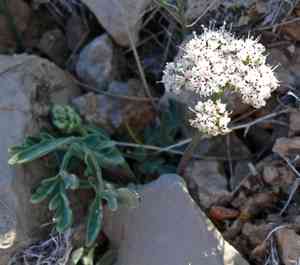
Relocating nevada biscuitroot is most effective in the early spring's crispness or the late autumn's chill, facilitating superior root development. Select a bright, adequately drained spot to guarantee thriving growth. Refrain from transplanting during periods of severe heat or cold.
What Preparations are Needed Before Transplanting Nevada Biscuitroot?
What is the Ideal Time for Transplanting Nevada Biscuitroot?
The best periods for relocating nevada biscuitroot are early spring and late autumn. Early spring allows the plant to benefit from damp soil and moderate temperatures, fostering robust root development. Late autumn enables nevada biscuitroot to establish its root system prior to winter dormancy, leading to vigorous growth the following spring.
How Much Space Should You Leave Between Nevada Biscuitroot Plants?
When moving nevada biscuitroot, ensure each plant is spaced 12-18 inches (30-45 cm) apart to provide ample room for growth and comfortable spreading.
What is the Best Soil Mix for Nevada Biscuitroot Transplanting?
Prepare a well-draining soil mixture for nevada biscuitroot by incorporating organic material like compost. Sandy or loamy soil is optimal. Add a balanced base fertilizer, such as a 10-10-10 NPK formula, to give the plants a healthy start.
Where Should You Relocate Your Nevada Biscuitroot?
Select a sunny location for nevada biscuitroot to flourish. This plant prefers full sun, so find a spot that receives at least 6-8 hours of direct sunlight daily.
What Equipments Should You Prepare Before Transplantation Nevada Biscuitroot?
Gardening Gloves
To safeguard your hands while handling soil and plants.
Shovel or Spade
For excavating the plant and preparing the new transplant site.
Hand Trowel
Used for smaller, more precise digging and planting tasks.
Watering Can or Hose
To hydrate the plant before and after relocation.
Wheelbarrow
To move the plant from its original spot to the new location, if necessary.
Pruning Shears
For trimming damaged or excess roots.
Mulch
To aid in moisture retention and protect the newly transplanted plant.
Stakes and Twine
To offer support to the plant if required post-transplanting.
How Do You Remove Nevada Biscuitroot from the Soil?
How Do You Remove Nevada Biscuitroot from the Soil?
From Ground: First, water the nevada biscuitroot plant to moisten the soil. Then, dig a wide trench around the plant using a shovel or spade, ensuring the plant's root ball remains intact. Carefully work the spade beneath the root ball to lift the plant from its original position.From Pot: Water the nevada biscuitroot plant thoroughly to loosen the soil. Gently hold the base of the plant and invert the pot, tapping the bottom to release the plant. Be careful not to harm the roots during removal.From Seedling Tray: Water the seedlings to make the soil damp. Use a hand trowel or your fingers to carefully lift the seedling from the tray, ensuring as much of the root system as possible stays intact.
Step-by-Step Guide for Transplanting Nevada Biscuitroot
Prepare Transplant Site
Dig a hole that is twice as wide and equal in depth to the plantâs root ball.
Condition the Soil
Amend the soil in the planting hole with compost or other organic material to enhance fertility and drainage.
Place the Plant
Position the nevada biscuitroot plant in the center of the hole. Ensure the top of the root ball is level with the surrounding soil surface.
Backfill the Hole
Gently fill the hole with soil, pressing lightly to remove air pockets around the roots.
Water Thoroughly
Water the plant deeply to settle the soil around the roots and provide initial hydration.
Add Mulch
Apply a layer of mulch around the base of the plant to retain moisture and inhibit weed growth.
How Do You Care For Nevada Biscuitroot After Transplanting?
Watering
Keep the soil around the nevada biscuitroot consistently moist, but not waterlogged, for the initial weeks after transplanting to help establish strong roots.
Protection
Shield the transplanted nevada biscuitroot from strong winds and direct sunlight until it becomes established. A light shade cloth or windbreak can be used if necessary.
Monitoring
Regularly inspect the plant for signs of stress, such as wilting or yellowing leaves, and adjust care as needed.
Troubleshooting Common Issues with Nevada Biscuitroot Transplantation.
When is the ideal time for transplanting nevada biscuitroot?
The best time for transplanting nevada biscuitroot is early spring or late fall for optimal growth.
How should I space nevada biscuitroot when transplanting?
Space nevada biscuitroot between 12-18 inches (30-45 cm) apart to ensure proper growth.
How do I prepare the soil for nevada biscuitroot?
Prepare well-draining soil and mix in compost to improve nutrient content before transplanting nevada biscuitroot.
Should I water nevada biscuitroot immediately after transplanting?
Yes, water nevada biscuitroot thoroughly after transplanting to help settle the soil and roots.
What should I do if nevada biscuitroot's leaves wilt after transplanting?
Ensure consistent moisture and provide shade if wilting occurs. Usually, nevada biscuitroot will recover naturally.
Can nevada biscuitroot tolerate full sun after transplanting?
Nevada biscuitroot thrives in full sun but provide partial shade initially after transplanting to reduce stress.
How deep should nevada biscuitroot be planted?
Plant nevada biscuitroot at the same depth it was in its original container to avoid root stress.
What temperature is ideal for transplanting nevada biscuitroot?
Transplant nevada biscuitroot when temperatures are mild, between 60-75°F (15-24°C), for the best results.
How can I reduce transplant shock in nevada biscuitroot?
Water well, use a root stimulator, and keep nevada biscuitroot shaded for a few days to reduce shock.
What type of compost is best for nevada biscuitroot?
Use well-aged compost rich in organic matter to boost soil fertility for nevada biscuitroot.



