How to Transplant Woollyfruit desertparsley?
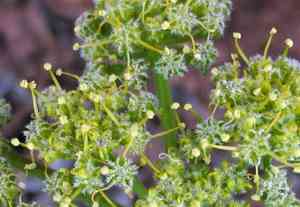
Woollyfruit desertparsley flourishes when relocated between mid-spring and early summer, benefiting from ideal growth circumstances. Select a bright, adequately draining spot. Verify the soil possesses a slightly sandy composition to mimic its native environment. Manage the root system with care to lessen shock.
What Preparations are Needed Before Transplanting Woollyfruit Desertparsley?
What is the Ideal Time for Transplanting Woollyfruit Desertparsley?
The best time to move woollyfruit desertparsley is from late spring to early summer. During this period, the ground is warm enough for root development, and the weather is mild enough to prevent undue stress on the plant. Transplanting woollyfruit desertparsley within this timeframe promotes robust growth and better acclimation, lessening the chance of shock and boosting the plant's hardiness.
How Much Space Should You Leave Between Woollyfruit Desertparsley Plants?
When relocating woollyfruit desertparsley, aim for a spacing of approximately 12-18 inches (30-45 cm) between them to allow ample room for growth and expansion. This distance ensures proper air circulation and minimizes competition for nutrients.
What is the Best Soil Mix for Woollyfruit Desertparsley Transplanting?
For woollyfruit desertparsley, prepare soil that drains well, such as sandy or loamy types. Incorporate a balanced, all-purpose fertilizer to give young plants an initial boost. Steer clear of heavy clay soils, as they tend to hold too much moisture, which is not ideal for woollyfruit desertparsley.
Where Should You Relocate Your Woollyfruit Desertparsley?
Select a sunny spot for transplanting woollyfruit desertparsley. This plant thrives best in full sun, so ensure it receives at least 6-8 hours of direct sunlight daily. Avoid shaded areas where the plant may struggle to grow properly.
What Equipments Should You Prepare Before Transplantation Woollyfruit Desertparsley?
Gardening Gloves
To safeguard your hands while handling soil and plants.
Shovel or Spade
For digging around the plant and lifting it from the ground.
Hand Trowel
Used for more precise digging and managing the root ball.
Watering Can or Hose
To hydrate the plant before and after its relocation.
Compost or Organic Mulch
To enrich the soil and aid in moisture retention.
Garden Fork
Useful for breaking up compacted soil clumps.
How Do You Remove Woollyfruit Desertparsley from the Soil?
How Do You Remove Woollyfruit Desertparsley from the Soil?
From Ground: First, water the woollyfruit desertparsley plant to moisten the soil. Next, dig a wide trench around the plant using a shovel or spade, making sure the plant's root ball stays intact. Carefully work the spade beneath the root ball to lift the plant from its original spot.From Pot: Water the woollyfruit desertparsley plant thoroughly, then gently invert the pot while supporting the plant's base with your hand. Lightly tap the pot to loosen the soil and allow the root ball to slide out. If the plant is root-bound, gently separate the roots to encourage new growth.From Seedling Tray: Water the woollyfruit desertparsley seedlings before removal. Use a pencil or small stick to push through the drainage hole at the tray's bottom to loosen each seedling. Handle seedlings by their leaves to prevent damage to delicate stems and roots.
Step-by-Step Guide for Transplanting Woollyfruit Desertparsley
Prepare the New Site
Start by ensuring the new planting location is ready (excluding spacing, sunlight, soil topics). Dig a hole that is slightly larger than the root ball of your woollyfruit desertparsley plant.
Amend the Soil
If needed, mix some compost or organic mulch into the planting hole to enhance soil structure and fertility.
Transplant the Plant
Position the woollyfruit desertparsley plant in the hole, ensuring the top of the root ball is level with the ground surface. Backfill the hole with soil, gently pressing down to remove air pockets without over-compacting.
Water the Plant
Water the woollyfruit desertparsley plant thoroughly after transplanting to help the soil settle around the roots.
Apply Mulch
Spread a layer of organic mulch around the plant's base. This helps retain moisture and suppress weeds.
How Do You Care For Woollyfruit Desertparsley After Transplanting?
Watering
Keep the soil around the woollyfruit desertparsley consistently moist, but not waterlogged, for the initial few weeks post-transplant to aid in strong root establishment.
Monitoring
Observe the woollyfruit desertparsley for indications of transplant shock, such as wilting or yellowing leaves, and provide additional care as necessary.
Weed Control
Regularly check for weeds around the base of the woollyfruit desertparsley plant and remove them to lessen competition for nutrients and water.
Mulch Maintenance
Maintain a sufficient layer of mulch around the plant to conserve moisture and keep the roots cool.
Troubleshooting Common Issues with Woollyfruit Desertparsley Transplantation.
When is the best time to transplant woollyfruit desertparsley?
Mid-spring to early summer is optimal for relocating woollyfruit desertparsley.
How much spacing is needed between woollyfruit desertparsley plants?
Maintain a distance of 12-18 inches (30-45 cm) between each woollyfruit desertparsley plant.
What soil type is best for woollyfruit desertparsley?
Well-drained, sandy or rocky soil is ideal for woollyfruit desertparsley.
How should I prepare the soil before transplanting woollyfruit desertparsley?
Loosen the soil and incorporate compost to enrich it prior to transplanting woollyfruit desertparsley.
How do I handle the roots when transplanting woollyfruit desertparsley?
Be gentle with the roots and avoid causing damage during the transplanting process.
How deep should I plant woollyfruit desertparsley during transplantation?
Plant woollyfruit desertparsley at the same depth it was previously growing.
How much water does woollyfruit desertparsley need after transplanting?
Water woollyfruit desertparsley thoroughly after transplanting and keep the soil moist but not saturated.
Should woollyfruit desertparsley be fertilized after transplanting?
Fertilizing is not immediately necessary. Wait until woollyfruit desertparsley has established before lightly fertilizing.
What care is needed post-transplanting woollyfruit desertparsley?
Monitor soil moisture, provide partial shade, and protect from strong winds to help woollyfruit desertparsley establish.
How long does it take for woollyfruit desertparsley to establish after transplanting?
Woollyfruit desertparsley typically requires a few weeks to settle into a new location.



