How to Transplant Algerian sea lavender?
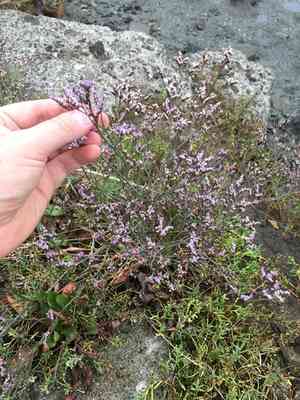
Algerian sea lavender flourishes when relocated during the vibrant phase spanning early to late spring, guaranteeing sufficient warmth and illumination. Select a sunny location with good drainage for peak development and reduced transplant stress.
What Preparations are Needed Before Transplanting Algerian Sea Lavender?
What is the Ideal Time for Transplanting Algerian Sea Lavender?
The best period to move algerian sea lavender is from early to late spring. This timing allows the plant to establish roots in mild conditions before summer's intense heat or winter's cold. Transplanting at this time offers algerian sea lavender the best chance to adapt to its new surroundings and ensures robust development throughout the year.
How Much Space Should You Leave Between Algerian Sea Lavender Plants?
When relocating algerian sea lavender, ensure a spacing of 12-18 inches (30-45 cm) between them. This provides ample room for growth and promotes good air circulation, which helps prevent diseases.
What is the Best Soil Mix for Algerian Sea Lavender Transplanting?
Prepare well-draining soil enriched with compost or aged manure for algerian sea lavender. Incorporating a slow-release, balanced fertilizer (10-10-10) at the base will supply vital nutrients over time, fostering healthy development.
Where Should You Relocate Your Algerian Sea Lavender?
Select a sunny spot for algerian sea lavender to flourish. This perennial thrives in full sunlight for at least 6-8 hours daily. A location with good air circulation is perfect for maintaining the plant's health and vibrancy.
What Equipments Should You Prepare Before Transplantation Algerian Sea Lavender?
Gardening Gloves
To safeguard your hands while handling soil and the plant.
Shovel or Spade
For digging and relocating soil as required.
Trowel
Useful for smaller, more detailed digging tasks.
Pruning Shears
To trim any damaged or excessively long roots.
Watering Can or Hose
To hydrate the plant before and after its relocation.
Mulch
Aids in retaining soil moisture post-transplanting.
Wheelbarrow
To move the plant if it is too large or heavy.
How Do You Remove Algerian Sea Lavender from the Soil?
How Do You Remove Algerian Sea Lavender from the Soil?
From Ground: First, moisten the soil around the algerian sea lavender plant. Then, dig a wide trench around the plant using a shovel or spade, ensuring the plant's root ball remains intact. Carefully work the spade beneath the root ball to lift the plant from its original spot.From Pot: Gently tip the pot on its side and tap the bottom and sides to loosen the soil. Hold the plant gently at its base and slide it out of the pot, making sure the root ball stays whole.From Seedling Tray: Water the seedlings to facilitate removal. Use a trowel to carefully lift each seedling, ensuring you scoop out a good amount of soil around the roots to prevent damage.
Step-by-Step Guide for Transplanting Algerian Sea Lavender
Site Preparation
Clear the transplanting area of weeds and debris. Dig a hole that is twice as wide and the same depth as the algerian sea lavender plant's root ball.
Soil Preparation
Mix some compost into the soil at the bottom of the hole to encourage a robust root system.
Placing the Plant
Gently position the algerian sea lavender plant into the hole, ensuring the top of the root ball is level with the surrounding soil. Adjust the soil as needed to ensure the plant stands upright and is at the correct height.
Backfilling
Fill the hole with soil, pressing down gently to remove any air pockets. Water the soil thoroughly to help it settle around the roots.
Mulching
Apply a layer of mulch around the plant's base to retain moisture and suppress weeds, being careful not to pile the mulch against the plant stem.
How Do You Care For Algerian Sea Lavender After Transplanting?
Watering
Keep the soil around the algerian sea lavender consistently moist, but not waterlogged, for the initial weeks after transplanting to aid in establishing strong roots.
Monitoring
Observe the plant for signs of stress such as wilting or yellowing leaves. Adjust watering practices if necessary.
Support
If required, use stakes or supports to help the plant remain upright, especially if it is tall or if your area experiences strong winds.
Pruning
Trim any dead or damaged leaves to stimulate new growth and enhance overall plant health.
Troubleshooting Common Issues with Algerian Sea Lavender Transplantation.
When is the best time to transplant algerian sea lavender?
The optimal period to transplant algerian sea lavender is early to late spring for best growth.
How far apart should I space each algerian sea lavender plant?
Space each algerian sea lavender plant 12-18 inches (30-45 cm) apart to ensure healthy development.
What type of soil does algerian sea lavender prefer?
Use well-drained, sandy, or loamy soil for transplanting algerian sea lavender to prevent root rot.
How much sunlight does algerian sea lavender require after transplanting?
Ensure algerian sea lavender receives full sun (6-8 hours daily) for optimal growth and blooming.
Should I water algerian sea lavender immediately after transplanting?
Yes, water algerian sea lavender thoroughly after transplanting to help establish its roots in the new location.
How can I protect algerian sea lavender from transplant shock?
Acclimate algerian sea lavender gradually to its new environment and avoid disturbing its root system too much.
Is it necessary to fertilize algerian sea lavender during transplanting?
Use a balanced, slow-release fertilizer during transplanting to provide algerian sea lavender with essential nutrients.
What should I do if algerian sea lavender wilts after transplanting?
Ensure proper watering and shading if algerian sea lavender wilts; this helps it recover from transplant shock.
How deep should I plant algerian sea lavender in its new location?
Plant algerian sea lavender at the same depth as it was in its original container to avoid stress.
Can I transplant algerian sea lavender in the fall?
It's best to transplant algerian sea lavender from early to late spring for better establishment and growth.



