How to Transplant Broad-leaf bamboo?
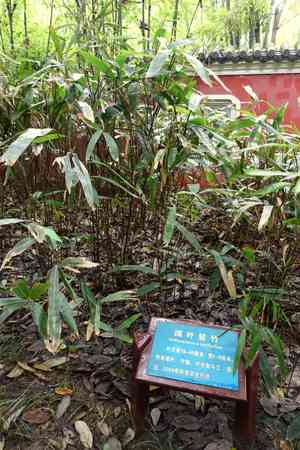
The optimal period for transplanting broad-leaf bamboo spans from mid-spring through late spring, as the mild climate fosters strong root development. Select a location offering partial shade and soil that drains effectively. As a helpful tip, damp soil and filtered sunlight will aid broad-leaf bamboo in flourishing post-transplant.
Essential Preparations Before Relocating Broad-leaf Bamboo?
When is the Best Time to Move Broad-leaf Bamboo?
The prime time for moving broad-leaf bamboo is from the middle to the end of spring. This period allows broad-leaf bamboo to set down roots in warming ground, boosting its growth resilience. Shifting broad-leaf bamboo during this window promotes robust, early development before summer's heat, maximizing the plant's vigor and establishment. A friendly tip: Providing broad-leaf bamboo with this timely change can ensure a strong start and lush development.
What is the Recommended Spacing Between Broad-leaf Bamboo Plants?
Let's give your broad-leaf bamboo ample room to thrive! Aim for a spacing of 3-4 feet (approximately 90-120 cm) between them. This provides each plant sufficient area to spread out and grow without competing for resources.
What is the Optimal Soil Blend for Transplanting Broad-leaf Bamboo?
For your broad-leaf bamboo, combine garden soil with compost to create a rich, organic foundation, ideal for fostering strong roots. A sprinkle of balanced, slow-release fertilizer will offer an excellent beginning â consider it a welcoming meal for your plants!
Where Should You Replant Your Broad-leaf Bamboo?
Select a location where your broad-leaf bamboo can enjoy partial shade, as excessive direct sunlight might be too intense. A spot that provides some morning sun with afternoon shade would be absolutely perfect for these leafy companions!
What Tools Are Necessary Before Transplanting Broad-leaf Bamboo?
Shovel or Spade
For digging out the broad-leaf bamboo's root ball and preparing a new planting site.
Gardening Gloves
To safeguard your hands while handling soil and the plant.
Wheelbarrow or Tarp
To safely move the broad-leaf bamboo from its original spot to the new location.
Pruning Shears
To trim any damaged roots or foliage prior to transplanting.
Watering Can or Hose
To hydrate the plant before removal and after replanting.
Stake or Plant Support
To help stabilize the broad-leaf bamboo if it is tall or top-heavy.
How to Extract Broad-leaf Bamboo from the Soil?
How to Extract Broad-leaf Bamboo from the Soil?
From Ground: Water the broad-leaf bamboo plant to moisten the soil, facilitating easier removal. Dig a wide circle around the plant with a shovel or spade to avoid cutting into the root system. Gently lift the root ball from the ground, keeping as much soil around the roots as possible.From Pot: Water the broad-leaf bamboo plant before starting. Tilt the pot sideways and gently tap to loosen the root ball. Hold the base of the plant and carefully slide it out, taking care not to harm the main stem.From Seedling Tray: Water the seedlings to simplify removal. Use a small tool or your fingers to lift the broad-leaf bamboo plants from the tray. Support the root ball to prevent it from breaking apart.
Step-by-Step Instructions for Transplanting Broad-leaf Bamboo
Preparation
Ensure the new planting hole is twice the width of the broad-leaf bamboo's root ball and of equal depth. Incorporate some compost or aged manure if available.
Root Inspection
Examine the broad-leaf bamboo's roots. Trim any broken or dead roots using pruning shears.
Planting
Center the broad-leaf bamboo in the new hole. Spread the roots outward. Begin backfilling with soil and gently firm it down to eliminate air pockets.
Stabilizing
If the broad-leaf bamboo is tall or seems unstable, gently insert a stake into the ground on the side facing the wind and loosely secure the main stem to it.
Watering
Thoroughly water the broad-leaf bamboo after transplanting to settle the soil around the root ball and help reduce transplant shock.
Mulching
Apply a layer of organic mulch around the base of the broad-leaf bamboo, keeping it away from the main stem to maintain soil moisture and temperature.
How to Care for Broad-leaf Bamboo After Transplanting?
Watering
Maintain consistent moisture for the broad-leaf bamboo by watering whenever the top inch of soil feels dry, decreasing frequency as the plant establishes.
Staking
Regularly check the stake and ties to ensure they are not hindering the broad-leaf bamboo's growth and adjust as necessary.
Pruning
Remove any brown or damaged leaves from the broad-leaf bamboo to help direct energy towards new growth.
Observation
Closely monitor the broad-leaf bamboo for signs of stress, such as wilting or discolored leaves, which could indicate pests, diseases, or a need to adjust care.
Addressing Common Issues with Broad-leaf Bamboo Transplantation.
Why is my broad-leaf bamboo wilting after transplant?
Wilting might be due to transplant shock. Ensure the roots stay moist and are not overly disturbed during the process. It's crucial to allow it time to adapt.
What's the ideal time to transplant broad-leaf bamboo?
The perfect window for transplanting broad-leaf bamboo is between mid-spring to late spring, allowing the plant to establish before the summer heat.
How far apart should I space my broad-leaf bamboo when transplanting?
Space your broad-leaf bamboo approximately 3-4 feet (90-120 cm) apart to provide ample room for growth.
How deep should the hole be when transplanting broad-leaf bamboo?
Dig a hole twice as wide as the root ball and the same depth to encourage proper root expansion.
Can I transplant broad-leaf bamboo in a shaded area?
Yes, broad-leaf bamboo can be transplanted in shaded areas as they tolerate low light levels, but they also thrive in partial sunlight.
What should I do if the leaves of broad-leaf bamboo turn yellow after transplanting?
Yellowing leaves can indicate overwatering or poor drainage. Ensure the soil drains well and slightly reduce watering.
Why isn't my transplanted broad-leaf bamboo growing?
Growth may be slow due to transplantation stress or soil problems. Ensure soil fertility and proper care. Patience is essential.
Should I prune my broad-leaf bamboo when transplanting?
Light pruning can help reduce stress on the plant; however, avoid heavy pruning until broad-leaf bamboo has fully recovered.
How much water does broad-leaf bamboo need after transplanting?
Water broad-leaf bamboo generously after transplanting to settle the soil, then maintain consistent moisture without overwatering.
My broad-leaf bamboo has droopy leaves post-transplant. What should I do?
Droopy leaves might suggest under-watering or a location that's too sunny. Check soil moisture and consider temporary shade until the plant recovers.



