How to Transplant Fen bedstraw?
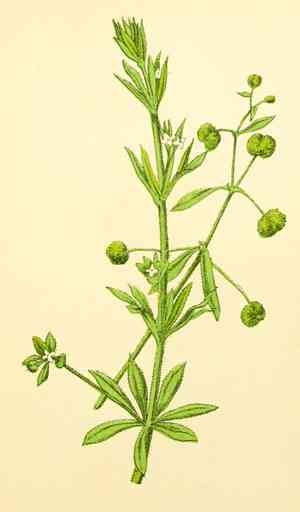
The most favorable period for transplanting fen bedstraw occurs during transitional seasons—following the departure of frost but prior to the peak of summer, or as autumn's moderate temperatures arrive, preceding winter's cold. Choose a location featuring damp, well-aerated earth, protecting fen bedstraw from the strong afternoon sunlight. Careful manipulation guarantees successful integration into its new environment.
Preparations Required Before Moving Fen Bedstraw
When is the Best Time to Relocate Fen Bedstraw?
The perfect window for moving fen bedstraw spans from late spring to early summer or from mid-autumn to the close of fall. Shifting fen bedstraw during these periods promotes strong root development before harsh temperatures arrive, ensuring a smooth transition to its new spot. By selecting these intervals, you provide fen bedstraw with an excellent chance to settle in comfortably, leveraging milder weather for optimal growth.
What Spacing is Recommended Between Fen Bedstraw Plants?
When getting ready to transplant your fen bedstraw, allow for some growth room. Position the plants approximately 6-12 inches (15-30 cm) apart. This spacing will give your fen bedstraw ample area for its roots to expand and thrive beautifully.
What is the Optimal Soil Blend for Fen Bedstraw Transplantation?
For your fen bedstraw, the ideal soil is fertile and damp, yet drains effectively. Incorporate a generous amount of organic material to enrich the soil. A balanced, slow-release fertilizer will supply a steady stream of nutrients. Ensure it's thoroughly mixed before planting.
Where Should You Replant Your Fen Bedstraw?
Your fen bedstraw will flourish in a location with partial sun or filtered light, especially one that mimics its natural, often marshy environment. Confirm the site isn't too arid; fen bedstraw thrives in more moisture-rich settings.
Equipment to Prepare Before Transplanting Fen Bedstraw
Gardening Gloves
To safeguard your hands while handling soil and the plant.
Spade or Shovel
For excavating the plant from its original spot and preparing the new planting hole.
Watering Can or Hose
To hydrate the plant both before and after relocation to minimize stress.
Garden Fork
To loosen the soil around the plant's root system, facilitating its removal from the ground.
Pruning Shears
To trim any damaged or dead roots or stems during the transplanting process.
Wheelbarrow or Garden Cart
To transport the fen bedstraw from one place to another.
Mulch
To aid in retaining soil moisture and reducing weed growth around the new planting area.
Stake or Plant Support
If fen bedstraw needs assistance to grow upright and be protected from wind damage.
How to Extract Fen Bedstraw from the Soil
How to Extract Fen Bedstraw from the Soil?
From Ground: First, moisten the fen bedstraw plant to soften the soil, making it easier to manage. Use a spade or shovel to carefully dig a wide circle around the plant, going deep enough to avoid cutting into the root ball. Gently lift the plant by prying under its roots, keeping as much soil around the roots as possible.From Pot: Thoroughly water the fen bedstraw in its container. Turn the pot sideways, support the plant with one hand, and gently tap the pot's edges to loosen the soil. Carefully slide the plant out, being careful not to pull on the stem, which can harm the plant.From Seedling Tray: Water the seedlings well before starting. Use a dibber or a small tool to gently push up from the bottom of the cells to lift out the fen bedstraw seedlings, holding them by the leaves rather than the stem to prevent damage.
Step-by-Step Guide for Relocating Fen Bedstraw
Prepare New Site
Dig a hole in the chosen location that is twice as wide and equally deep as the fen bedstraw's root ball.
Root Pruning
If the fen bedstraw has any dead or overly long roots, use pruning shears to trim them. Ensure cuts are clean to encourage healthy new growth.
Placing the Plant
Position the fen bedstraw into the hole so the top of its root ball is level with the ground surface. Adjust the hole's depth if needed.
Refilling the Hole
Backfill the hole with the excavated soil, gently firming it around the root ball to eliminate air pockets. Water the soil immediately to help it settle further.
Supporting the Plant
If necessary, insert a stake next to the fen bedstraw and gently tie the plant to it for support.
Mulching
Apply a layer of mulch around the base of the fen bedstraw, being careful not to let it touch the stem to prevent rotting issues.
Final Watering
Thoroughly water the fen bedstraw again to ensure the soil is moist and to reduce stress on the plant.
Post-Transplant Care for Fen Bedstraw
Watering
Provide the fen bedstraw with frequent irrigation to maintain consistently moist soil until the plant is established.
Support
Inspect and adjust any stakes or supports as the fen bedstraw grows to ensure proper development without restriction or harm.
Monitoring for Pests
Regularly check the fen bedstraw for indications of pests or diseases and take necessary action to resolve any problems.
Pruning
Remove any dead or damaged foliage from the fen bedstraw to promote healthy growth and shape the plant.
Mulch Inspection
Replenish or adjust the mulch layer to conserve moisture and suppress weeds around the fen bedstraw without smothering the plant's base.
Resolving Common Issues with Fen Bedstraw Transplantation.
What's the best timing for transplanting fen bedstraw?
Optimal transplanting times are from late spring to early summer or from mid-fall to late fall.
How far apart should I space fen bedstraw when transplanting?
Space fen bedstraw ideally 6-12 inches (15-30 cm) apart to ensure adequate room for growth.
What soil conditions favor fen bedstraw after transplanting?
Ensure the soil is well-draining with consistent moisture. Fen bedstraw prefers neutral to slightly acidic pH.
How much should I water fen bedstraw after transplanting?
Water fen bedstraw deeply after transplanting, then regularly to keep the soil evenly moist, not waterlogged.
Should I fertilize fen bedstraw right after transplanting?
Wait a few weeks after transplanting fen bedstraw before applying a balanced, slow-release fertilizer.
Why is fen bedstraw wilting after I transplanted it?
Wilting may occur due to transplant shock. Keep the soil moist and avoid direct sunlight for a few days.
How do I prepare the transplant site for fen bedstraw?
Choose a spot with partial to full sun and enrich the soil with organic matter before transplanting.
How deep should the hole be for transplanting fen bedstraw?
Dig a hole as deep as the root ball and twice as wide to give the roots room to spread.
Can I transplant fen bedstraw on a hot, sunny day?
It's best to transplant fen bedstraw on a cloudy day or during the late afternoon to reduce stress on the plant.
How do I check the soil's moisture for fen bedstraw after transplanting?
Insert your finger into the soil up to 2 inches (5 cm); if it's dry, water the plant.



