How to Transplant Threeway sedge?
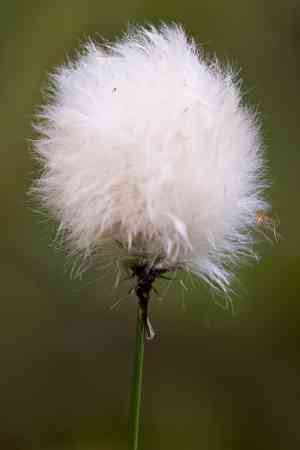
Relocating threeway sedge during nature's mild resurgence, from the beginning to the end of spring, guarantees vigorous development. Place it in moist, partially shaded environments. A delicate approach, rather than aggressive handling, should characterize your transplanting technique, facilitating smooth adaptation.
What Preparations are Needed Before Transplanting Threeway Sedge?
What is the Ideal Time for Transplanting Threeway Sedge?
The perfect time for moving threeway sedge is during its spring revivalâtypically from late winter to early spring. By introducing threeway sedge to new locations within this timeframe, you take advantage of the cool, damp conditions that promote root development without the stress of summer heat. This strategic timing aligns with the plant's natural growth cycle, setting the stage for robust growth and vibrant foliage. It's the prime chance to cultivate a strong root system while the ambient temperature is most favorable for resilient growth.
How Much Space Should You Leave Between Threeway Sedge Plants?
When arranging your threeway sedge, aim for approximately 18-24 inches (45-60 cm) of separation. This provides each plant ample room to expand and thrive without crowding, giving them the best opportunity to flourish!
What is the Best Soil Mix for Threeway Sedge Transplanting?
Your threeway sedge will thrive best in damp, well-draining soil. Before moving it, incorporate some organic compost to enrich the soil. A balanced, slow-release fertilizer can offer a helpful boost to aid your new plants in establishing themselves.
Where Should You Relocate Your Threeway Sedge?
Select a location for your threeway sedge that receives partial to full sunlight throughout the day. Ensuring a balance of light and shade will help them grow strong and healthy, ideal for gardeners embarking on a new garden project!
What Equipments Should You Prepare Before Transplantation Threeway Sedge?
Gardening Gloves
To safeguard your hands while handling soil and plants.
Shovel or Garden Spade
For digging around and carefully lifting the plant.
Garden Fork
To loosen the soil surrounding the plant's roots prior to lifting.
Watering Can or Hose
To pre-moisten the plant and soil before removal and to water after transplanting.
Wheelbarrow
For moving the plant from its original spot to the new planting site.
Pruning Shears
To trim any dead or excessive growth before transplanting.
Mulch
To apply around the plant's base after transplanting for moisture retention and weed suppression.
Soil Amendments (if recommended)
To enrich the soil at the new location according to the specific needs of threeway sedge.
How Do You Remove Threeway Sedge from the Soil?
How Do You Remove Threeway Sedge from the Soil?
From Ground: First, hydrate the threeway sedge plant to moisten the soil, making it easier to manage. Use a garden fork to gently loosen the soil around the plant, starting several inches from the base to prevent root damage. Slowly work your way around the plant, and dig a wide trench with a shovel or spade. Insert the spade deeply beneath the root ball and carefully lift the plant, preserving as much of the root ball as possible.From Pot: Begin by watering the threeway sedge plant in its container to make the soil damp and easier to extract. Tilt the pot slightly and tap the sides to dislodge the plant. Gently pull the plant by its base while supporting the root ball until it slides out of the pot. If the plant is root-bound, gently separate the roots to encourage outward growth after transplanting.From Seedling Tray: Ensure the soil in the seedling tray is moist before beginning. Use a spoon or a small gardening tool to carefully lift the seedling from its compartment, being cautious not to harm the delicate roots. Handle the seedling by its leaves rather than the stem to minimize the risk of injury.
Step-by-Step Guide for Transplanting Threeway Sedge
Preparation
Ensure all necessary tools and supplies are gathered before beginning the transplant. Don gardening gloves and arrange tools for easy access during the process. If transplanting multiple threeway sedge, plan their placement to allow adequate room for growth and air circulation between plants. Thoroughly water the threeway sedge at its current location before removal to reduce transplant shock and to make the soil easier to work with. Inspect the plant for any signs of pests or diseases and treat them accordingly before moving to the new location. Loosen the soil in the new location and amend it if necessary beforehand, but do not add fertilizer directly to the planting hole as it may burn the roots. Clean your tools with soapy water or a disinfectant to prevent the spread of any diseases.
Excavation
Use a shovel or garden spade to dig a hole in the new location that is twice as wide as the root ball but no deeper than the plant was growing in its original location. Space multiple plants appropriately according to their mature size. Create a mound of soil in the center of the hole to support the root ball and facilitate proper drainage. Carefully lift the threeway sedge from its original location, taking care to preserve as much of the root ball as possible for ground-based plants. Gently remove the threeway sedge from its pot by tipping it sideways, supporting the plant and root ball, and easing it out. For seedlings, gently tease out each seedling from the tray using a spoon or small tool, making sure to support the root structure.
Placement
Position the threeway sedge on the mound of soil in the center of the prepared hole, ensuring that the top of the root ball is level with the surrounding ground. Spread the roots outwards gently over the mound for ground plants, or ensure the roots are not circling the hole for potted plants. For seedlings, make a small hole in the prepared soil large enough to accommodate the seedling's root structure and place the seedling so that the base of the stem is level with the soil surface.
Finishing
Fill in around the root ball with soil, lightly packing it down to remove air pockets without compacting the soil too densely. Water the threeway sedge thoroughly to settle the soil and hydrate the roots. Apply a layer of mulch around the base to conserve moisture and regulate soil temperature. Stake the plant if necessary to provide support until the roots become established. Clean up the area and tools to complete the process.
How Do You Care For Threeway Sedge After Transplanting?
Immediate Watering
Water the threeway sedge generously right after transplanting to help settle the soil and hydrate the roots. Avoid saturating the soil; ensure the site has good drainage.
Monitoring
Observe the threeway sedge daily for the initial few weeks, checking for signs of stress like wilting leaves or discoloration. Adjust care routines as needed based on the plant's appearance and weather conditions.
Regular Watering
Maintain a consistent watering schedule to keep the soil continuously moist, especially during dry spells. Avoid letting the soil completely dry out, and do not overwater.
Mulching
Replenish the layer of mulch around the threeway sedge as required to maintain moisture levels and suppress weeds. Keep mulch a few inches away from the plant's stem to prevent rot.
Support
Use stakes or plant supports if the threeway sedge shows signs of leaning or instability as it adapts to its new location. Ensure the supports are firm but not too tight, allowing space for growth.
Observation & Care
Continuously check the threeway sedge for any indications of transplant shock, which can include leaf drop or discoloration. Adjust care as necessary, and seek advice from local nurseries or extension services if uncertain about the plant's health.
Troubleshooting Common Issues with Threeway Sedge Transplantation.
Why is my threeway sedge not thriving after transplanting?
Ensure you've transplanted during optimal growth times, from early to late spring. Also, verify proper soil conditions and watering.
How far apart should I plant threeway sedge?
Plant threeway sedge at a friendly distance of about 18-24 inches (45-60 cm) apart to give each plant ample room to flourish.
What's the best way to prepare the soil for threeway sedge?
Mix in organic matter to enrich the soil. A well-drained loam maintains moisture without waterlogging threeway sedge's roots.
How much sun does threeway sedge need after transplanting?
Position threeway sedge in a spot where it receives partial to full sunlight to support healthy growth post-transplanting.
Is it necessary to prune threeway sedge after transplanting?
Pruning isn't necessary immediately after transplanting. Let threeway sedge establish itself first, then prune for shape or health if needed.
When should I water threeway sedge after transplanting?
Water threeway sedge generously after transplanting to settle the soil around the roots and then regularly while it establishes.
Why are the leaves of my threeway sedge turning yellow after transplanting?
Yellow leaves can indicate overwatering or poor drainage. Ensure the soil is moist but not soggy and well-drained.
What should I do if the threeway sedge is wilting after transplanting?
Wilting could point to transplant shock. Keep the soil consistently moist and protect threeway sedge from strong sunlight temporarily.
How do I handle transplant shock in threeway sedge?
Minimize transplant shock by planting threeway sedge quickly, avoiding root disturbance, and maintaining soil moisture and temperature.
Can I fertilize threeway sedge immediately after transplanting?
Wait before applying fertilizer. Allow threeway sedge to recover from transplanting, then fertilize moderately to encourage growth.



