How to Transplant Carolina larkspur?
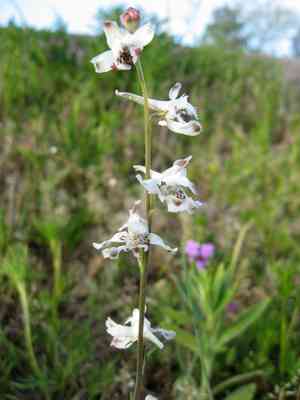
For carolina larkspur, the ideal period for transplanting extends from early spring to its peak, allowing root systems to firmly anchor prior to the summer season. Select locations bathed in sunlight with fertile earth. Careful manipulation of fragile roots guarantees a prosperous re-establishment.
What Preparations are Needed Before Relocating Carolina Larkspur?
What is the Optimal Period for Moving Carolina Larkspur?
The best time to move carolina larkspur is from late winter's end to early summer's beginning, ensuring a smooth transition to its new spot. Transplanting carolina larkspur during this period takes advantage of mild temperatures, which aid root development before the intense summer heat. A helpful tip: this calm interval provides carolina larkspur ample time to flourish in its new environment with reduced stress!
How Much Room Should You Provide Between Carolina Larkspur Specimens?
Start by determining the correct spacing for carolina larkspur, allowing each plant ample room to thrive. Aim for a separation of 12 inches (30 cm) to 3 feet (91 cm) between each, giving them sufficient area to reach their full potential.
What is the Ideal Soil Blend for Carolina Larkspur Relocation?
Prepare a nourishing bed for your carolina larkspur by combining well-draining, loamy soil with a balanced, slow-release plant food. Ensure the soil is rich to promote vigorous growth.
Where Should You Replant Your Carolina Larkspur?
Select a bright location where carolina larkspur can receive full to partial sun. A spot that gets several hours of sunlight daily will supply the energy carolina larkspur requires to grow strong and vibrant.
What Equipment Should You Prepare Before Moving Carolina Larkspur?
Gardening Gloves
To safeguard your hands while handling soil and plants.
Shovel or Spade
To excavate the carolina larkspur and create a fresh planting site.
Hand Trowel
To manage smaller plants, or refine the planting hole.
Watering Can or Hose
For hydrating the carolina larkspur prior to and following its relocation.
Pruners or Scissors
For trimming any dead or damaged roots or foliage.
Wheelbarrow or Garden Cart
To transport the carolina larkspur and soil amendments, if necessary.
Measuring Tape
To ensure proper spacing between plants during transplanting.
How Do You Extract Carolina Larkspur from the Ground?
How Do You Extract Carolina Larkspur from the Ground?
From Ground: Water the carolina larkspur thoroughly to make the soil easier to manage. Using a spade, dig a wide circle around the plant, aiming to keep as much of the root system intact as possible. Gently lift the plant from the soil, supporting the root ball.From Pot: Thoroughly water the carolina larkspur, and place your hand at the base of the plant. Tip the pot sideways and gently ease the plant out. If the plant does not release easily, you may need to tap the pot's edges or squeeze the pot if it's flexible to loosen the soil.From Seedling Tray: Water the seedling tray to ensure the soil is moist. Use a hand trowel or a specialized seedling tool to lift each carolina larkspur from its compartment, being careful to preserve the root structure.
Step-by-Step Guide for Relocating Carolina Larkspur
Excavate the Hole
Dig a hole in the ground that is twice the width of the carolina larkspur's root ball and of equal depth to ensure the plant is not set too deep.
Prepare the Plant
Examine the carolina larkspur's root ball and use pruners to remove any dead or damaged roots. Gently loosen dense root clusters to encourage outward growth.
Position the Plant
Place the carolina larkspur in the center of the hole. Ensure that the top of the root ball is level with the surrounding soil surface.
Backfill the Hole
Using removed soil, carefully backfill around the root ball. Firm the soil gently to remove air pockets but avoid over-compacting, which might hinder root growth.
Water Thoroughly
Once the carolina larkspur is planted, water it generously to settle the soil and hydrate the roots. This also helps to eliminate any remaining air gaps.
Support the Plant
If the carolina larkspur is tall or has a large top growth, consider staking it to prevent it from tipping over as the roots establish.
How Do You Care For Carolina Larkspur After Relocation?
Mulching
Apply a layer of organic mulch around the carolina larkspur to help retain soil moisture and regulate soil temperature.
Regular Watering
Provide consistent irrigation to the carolina larkspur, especially during the first growing season, to ensure a good root establishment. Adjust based on weather conditions to avoid overwatering.
Monitoring
Keep an eye on the carolina larkspur for signs of stress such as wilting or discoloration and address any issues promptly to support successful acclimatization.
Support Maintenance
Check any supports or stakes regularly to ensure they are secure and not damaging the carolina larkspur's stems or branches as they grow.
Pruning
Trim any damaged or dead foliage to direct the carolina larkspur's energy into new growth and root development.
Troubleshooting Common Issues with Carolina Larkspur Relocation.
When is the perfect time to move carolina larkspur?
For successful relocation, do it from early to late spring when the soil temperature is warm yet moist.
How much space should I leave between carolina larkspur plants?
Space carolina larkspur plants between 12 inches (30 cm) to 3 feet (91 cm) apart to ensure adequate growth room.
What depth should carolina larkspur's roots be planted?
Plant carolina larkspur's roots just below the soil surface, at the same depth they grew before.
Why is my relocated carolina larkspur wilting?
Wilting could indicate shock or dehydration. Keep the soil moist and provide shade for a few days post-transplant.
Should I fertilize carolina larkspur after relocating?
Wait a few weeks before fertilizing to allow carolina larkspur to establish without forcing top growth.
How do I prepare the soil for relocating carolina larkspur?
Work organic matter into the soil to improve drainage and nutrient content before transplanting.
Can I relocate carolina larkspur on a sunny day?
Relocate carolina larkspur on a cloudy day or in the evening to minimize transplant shock and water loss.
How often should I water carolina larkspur after relocating?
Water carolina larkspur generously after transplanting and then regularly, allowing soil to dry slightly between waterings.
What signs should I look for to know carolina larkspur has taken root?
Look for new growth, which signals that carolina larkspur has started to establish in its new location.
Is it necessary to prune carolina larkspur when relocating?
Prune damaged or excessively long roots, but avoid heavy pruning as it can stress carolina larkspur.



