How to Transplant Inflated-scale flat sedge?
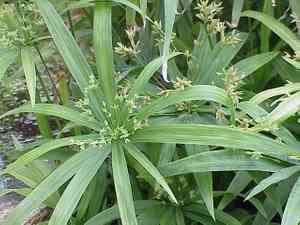
To successfully relocate inflated-scale flat sedge, the most favorable period is from the beginning to the end of spring, as this is when the plant thrives most vigorously. Select a site that receives full sun to partial shade and features soil that drains effectively, which is crucial for robust development.
What Preparations are Needed Before Transplanting Inflated-scale Flat Sedge?
What is the Ideal Time for Transplanting Inflated-scale Flat Sedge?
Inflated-scale flat sedge, a perennial plant, is best moved during early to late spring. This timing allows the plant to establish its root system before the intense heat of summer. By transplanting during this optimal window, the plant benefits from increasing daylight and moderate temperatures, leading to strong growth and resilience.
How Much Space Should You Leave Between Inflated-scale Flat Sedge Plants?
When transplanting inflated-scale flat sedge, ensure each plant is spaced 12-18 inches (30-45 cm) apart. This provides ample room for growth and prevents overcrowding, promoting healthy and robust development.
What is the Best Soil Mix for Inflated-scale Flat Sedge Transplanting?
Prepare a well-draining soil mix rich in organic matter for inflated-scale flat sedge. You can enrich the soil with compost or a balanced base fertilizer to supply the necessary nutrients for healthy growth.
Where Should You Relocate Your Inflated-scale Flat Sedge?
Select a sunny spot for transplanting inflated-scale flat sedge. This plant thrives in full sun conditions, so find a location in your garden where it can receive at least 6 hours of direct sunlight daily.
What Equipments Should You Prepare Before Transplantation Inflated-scale Flat Sedge?
Gardening Gloves
To safeguard your hands while handling soil and plants.
Shovel or Spade
For digging at both the original and new sites.
Trowel
For more precise digging when removing plants from pots or trays.
Watering Can/Hose
To hydrate the plant and soil both before and after relocation.
Compost or Mulch
To add organic material to the new location, enhancing soil structure and moisture retention.
Pruners
For trimming any damaged roots or leaves during the process.
How Do You Remove Inflated-scale Flat Sedge from the Soil?
How Do You Remove Inflated-scale Flat Sedge from the Soil?
From Ground: First, moisten the soil around the inflated-scale flat sedge plant. Then, dig a wide trench around the plant using a shovel or spade, ensuring the plant's root ball remains intact. Carefully work the spade under the root ball to lift the plant from its original spot.From Pot: Water the pot thoroughly to facilitate easier removal of inflated-scale flat sedge. Gently tap the pot's sides to loosen the soil, then tilt the pot slightly and carefully slide the plant out, supporting the base as you proceed.From Seedling Tray: Water the tray to simplify removal. Use a trowel or even a soft pencil to gently lift each seedling, taking care not to harm the delicate roots. Handle seedlings by their leaves, not their stems.
Step-by-Step Guide for Transplanting Inflated-scale Flat Sedge
Prepare New Site
Ensure the new planting site is ready â dig a hole that is twice as wide and just as deep as the root ball of inflated-scale flat sedge to provide ample space for root growth.
Add Compost
Mix in compost or mulch at the bottom of the hole and along the sides to enrich the soil and aid moisture retention.
Positioning
Place inflated-scale flat sedge in the hole, making sure the top of the root ball is level with the surrounding ground. Fill in around the plant with soil, lightly firming it down as you go to eliminate air pockets.
Watering In
Once inflated-scale flat sedge is in place, water it thoroughly. This helps to settle the soil around the roots and reduces transplant shock.
Mulching
Add a layer of mulch around the base of inflated-scale flat sedge to help retain moisture and regulate soil temperature while guarding against weeds.
How Do You Care For Inflated-scale Flat Sedge After Transplanting?
Watering
Keep the soil around the inflated-scale flat sedge consistently moist, but not soggy, for the first few weeks after transplanting to help establish strong roots.
Monitoring
Regularly check the plant for signs of stress, such as wilting or yellowing leaves, and address issues accordingly e.g., adjusting watering frequency.
Pruning
Trim any damaged or dead leaves after transplanting to direct the plant's energy toward new growth.
Support
If needed, provide support for the inflated-scale flat sedge during windy conditions or if it's a taller specimen, to prevent it from bending or breaking while it establishes.
Troubleshooting Common Issues with Inflated-scale Flat Sedge Transplantation.
When is the best time to transplant inflated-scale flat sedge?
Transplant inflated-scale flat sedge anytime from early spring to late spring for optimal growth and establishment.
How far apart should I space my inflated-scale flat sedge plants?
Space your inflated-scale flat sedge plants 12-18 inches (30-45 cm) apart to promote healthy growth.
What type of soil does inflated-scale flat sedge prefer for transplanting?
Inflated-scale flat sedge thrives in well-draining, sandy loam soil with medium moisture levels for successful transplantation.
How deep should I plant inflated-scale flat sedge during transplanting?
Plant inflated-scale flat sedge at the same depth as it was in its nursery container to prevent stress.
Should I water inflated-scale flat sedge immediately after transplanting?
Yes, water inflated-scale flat sedge thoroughly right after transplanting to help it settle and reduce transplant shock.
What should I do if inflated-scale flat sedge appears wilted after transplanting?
Keep the soil consistently moist and provide partial shade until inflated-scale flat sedge recovers from transplant shock.
How do I prepare the planting hole for inflated-scale flat sedge?
Dig a hole twice the width of the root ball and just as deep for inflated-scale flat sedge.
Can I transplant inflated-scale flat sedge in late summer or fall?
Transplanting is best done in early to late spring; late summer or fall can stress inflated-scale flat sedge.
Should I fertilize inflated-scale flat sedge right after transplanting?
Wait a few weeks before fertilizing inflated-scale flat sedge to allow it to establish itself in the new location.
How can I protect inflated-scale flat sedge from pests after transplanting?
Monitor inflated-scale flat sedge regularly for pests and use organic insecticides if needed to keep it healthy.



