How to Transplant Gander's buckhorn cholla?
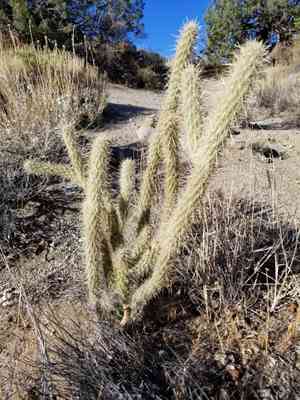
To ensure optimal initial growth, relocate gander's buckhorn cholla during the revitalizing phase of early to mid-spring, as mild temperatures facilitate root development. Select a brightly lit spot with effective drainage, and if moving the plant, proceed cautiously to safeguard its fragile root structure.
Essential Preparations Before Relocating Gander's Buckhorn Cholla?
Optimal Timing for Moving Gander's Buckhorn Cholla?
Early to mid-spring marks the prime period for transplanting gander's buckhorn cholla. This timing allows the plant to gently emerge from winter dormancy, providing ample opportunity for root establishment prior to summer's intense heat. Relocating gander's buckhorn cholla during this window ensures it benefits from mild temperatures and extended daylight, fostering robust root development and adaptation in its new environment. Embrace this spring opportunity for gander's buckhorn cholla to flourish in its fresh setting!
Recommended Spacing Between Gander's Buckhorn Cholla Specimens?
When relocating your gander's buckhorn cholla, ensure adequate separation between individual plants. A general guideline is to position them approximately 3-5 feet (0.9-1.5 meters) apart. This spacing provides sufficient room for growth without competition for resources.
Ideal Soil Blend for Gander's Buckhorn Cholla Relocation?
Preparing the appropriate substrate for gander's buckhorn cholla is crucial! Enhance your soil with a desert planting mix, which promotes excellent drainage. Additionally, incorporate a small amount of slow-release, low-nitrogen fertilizer to support healthy plant development.
Selecting a New Location for Your Gander's Buckhorn Cholla?
Considering a spot for your gander's buckhorn cholla? It thrives in sunlight! Therefore, choose a location where it will receive full sun exposure throughout the day. This will provide the warm conditions necessary for its optimal growth.
Necessary Equipment for Transplanting Gander's Buckhorn Cholla?
Gardening Gloves
To safeguard your hands from the spiny surface of the gander's buckhorn cholla.
Shovel or Spade
Crucial for excavating the plant from its original spot and preparing the new planting area.
Wheelbarrow or Plant Pot
For moving the extracted gander's buckhorn cholla without causing damage.
Trowel
Ideal for fine-tuning the planting hole and covering the roots of gander's buckhorn cholla.
Watering Can
Required for hydrating the gander's buckhorn cholla both before and after relocation.
Mulch (optional)
Can assist in retaining soil moisture in the new planting site.
Procedure for Extracting Gander's Buckhorn Cholla from the Soil?
Procedure for Extracting Gander's Buckhorn Cholla from the Soil?
From Ground: First, ensure gander's buckhorn cholla is well-hydrated by watering it the day before the move to soften the earth and facilitate removal. Using a clean, sharp spade, carefully dig around the plant, maintaining a wide perimeter to avoid root damage. Once you've encircled the plant, begin digging beneath it, gently lifting until gander's buckhorn cholla can be safely removed from the ground.From Pot: Water the plant, then gently tilt the pot sideways, supporting the main stem between your fingers. Tap the bottom and sides of the pot to loosen gander's buckhorn cholla. It should eventually slide out, retaining its soil and root structure.From Seedling Tray: Water the seedlings, then carefully hold gander's buckhorn cholla by its leaves, not the stem. Use a gardening tool, such as a dibber or even a pencil, to loosen the soil and roots from the cell and gently coax the seedling out.
Detailed Steps for Relocating Gander's Buckhorn Cholla
Preparation
Using a shovel or trowel, dig a hole at the new site that is sufficiently deep and wide to comfortably accommodate gander's buckhorn cholla's root ball. The hole should be twice the width of the root system.
Transportation
Safely move gander's buckhorn cholla to its new location. For larger specimens, consider using a wheelbarrow or a plant pot.
Positioning
Place the plant in the center of the hole. The top of the root ball should be level with the surrounding soil surface. Ensure gander's buckhorn cholla stands upright.
Backfilling
Gradually refill the hole, carefully adjusting the soil to completely cover the root ball. Gently, but not too firmly, tamp the soil around the base of gander's buckhorn cholla.
Watering
Generously water gander's buckhorn cholla shortly after planting using a watering can to help it settle in.
Post-Transplantation Care for Gander's Buckhorn Cholla?
Watering
Ensure gander's buckhorn cholla receives regular and thorough watering for the initial weeks to promote strong root development, but confirm the soil drains well to prevent waterlogging.
Pruning
While gander's buckhorn cholla should be resilient enough for post-transplant pruning, avoid it unless essential, as it can induce additional stress.
Protection
Depending on the season, shield the newly transplanted gander's buckhorn cholla in the afternoon if temperatures are excessively high to prevent wilting. Remove the cover once temperatures decrease. Monitor for any indications of pests or diseases and act promptly to avert potentially fatal harm to gander's buckhorn cholla.
Monitoring
Continuously observe gander's buckhorn cholla. If it exhibits signs of transplant shock, such as wilting, yellowing, or leaf drop, consult a local nursery for recovery advice.
Resolving Common Issues During Gander's Buckhorn Cholla Transplantation.
When is the best time to move gander's buckhorn cholla?
The optimal period to transplant gander's buckhorn cholla is during the S1-S2 season. This allows the plant ample time to establish roots in its new location before the spring growth surge.
What is the recommended spacing for gander's buckhorn cholla plants during relocation?
When transplanting gander's buckhorn cholla, ensure a distance of 3-5 feet (0.9-1.5 meters) between each plant. This provides sufficient room for optimal growth and development.
What if my relocated gander's buckhorn cholla struggles to adapt?
Newly transplanted gander's buckhorn cholla may experience shock. Slightly increase watering, ensure adequate sunlight, and consider a mild, slow-release fertilizer to aid its adjustment and recovery.
How can I ensure a successful relocation of gander's buckhorn cholla?
Ensure the transplant hole is twice the width of gander's buckhorn cholla's root ball, with the same depth. Then, mix half the excavated soil with a nutrient-rich compost to encourage new growth.
Can I start gander's buckhorn cholla indoors before moving them outside?
Gander's buckhorn cholla can initially be transplanted and cultivated indoors. However, remember to gradually acclimate them to outdoor conditions before final transplantation to enhance survival rates.
What type of soil is best for transplanting gander's buckhorn cholla?
Utilize well-drained soil for gander's buckhorn cholla. To improve drainage, you can blend the plant's native soil with sand or small gravel. This reduces the risk of root rot from overwatering.
What if the leaves of my transplanted gander's buckhorn cholla begin to wilt?
Slight wilting after transplanting gander's buckhorn cholla can be normal due to shock. However, if it persists, check for overwatering or poor drainage. Adjust care based on these conditions.
How deep should I plant gander's buckhorn cholla during relocation?
A general guideline for transplanting gander's buckhorn cholla is to plant it at the same depth it was previously growing. Planting too deep can lead to rot, while too shallow can dry out the roots.
Is pruning necessary for gander's buckhorn cholla during transplantation?
No, pruning is not required during transplantation. However, if gander's buckhorn cholla is excessively large or unruly, light pruning can help manage its growth and lessen transplant shock.
What is the watering regimen for relocated gander's buckhorn cholla?
Gander's buckhorn cholla, being a desert plant, requires less frequent watering. Immediately after transplanting, water thoroughly, then only when the soil is dry to the touch, perhaps once every 2-3 weeks.



