How to Transplant Italian hawksbeard?
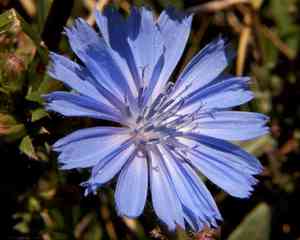
The most suitable time to transplant italian hawksbeard is from the beginning to the end of spring, allowing them to establish a strong root system prior to summer. Select a spot that receives abundant sunlight and has soil that drains effectively. If needed, mix in organic material to improve the soil quality of the chosen area.
What Preparations are Needed Before Transplanting Italian Hawksbeard?
What is the Ideal Time for Transplanting Italian Hawksbeard?
The optimal period for relocating italian hawksbeard is from early to mid-spring. This timeframe provides mild temperatures and adequate rainfall, promoting strong root development before the summer heat. Moving italian hawksbeard then ensures a smooth transition, enabling it to flourish and enhance your garden's beauty.
How Much Space Should You Leave Between Italian Hawksbeard Plants?
Remember, italian hawksbeard appreciates ample room to grow and thrive! Aim to position them 15-18 inches (38-45 cm) apart. This will provide each plant sufficient space for development while maintaining an organized garden appearance.
What is the Best Soil Mix for Italian Hawksbeard Transplanting?
For italian hawksbeard, consider preparing a comfortable bed with soil that drains well. Incorporate some organic compost as a foundational fertilizer to give the plants a healthy start. The perfect plot is neither excessively dry nor waterlogged, cradling your italian hawksbeard in nutrient-rich comfort.
Where Should You Relocate Your Italian Hawksbeard?
Placement, placement, placement! Italian hawksbeard thrives in sunlight, basking in its warm rays. Locate a sunny spot that receives 6-8 hours of daylight. Partial shade is acceptable, but the sun is truly italian hawksbeard's best ally for flourishing.
What Equipments Should You Prepare Before Transplantation Italian Hawksbeard?
Gardening Gloves
To safeguard your hands while handling soil and plants.
Shovel or Spade
For digging around and beneath the plant to ensure smooth removal.
Garden Fork
To loosen the soil surrounding the plant, facilitating easier extraction without harming roots.
Watering Can or Hose
For hydrating the plant before and after removal, and following transplantation.
Wheelbarrow or Garden Cart
To safely transport the italian hawksbeard to its new location.
Pruning Shears
To trim any damaged or overly long roots or foliage.
Mulch
To aid in retaining soil moisture after transplanting.
Measuring Tape
To ensure correct spacing between transplanted plants.
How Do You Remove Italian Hawksbeard from the Soil?
How Do You Remove Italian Hawksbeard from the Soil?
From Ground: First, water the italian hawksbeard plant to moisten the soil. Then, excavate a wide perimeter around the plant using a shovel or spade, ensuring a generous amount of soil remains around the root ball. Use the spade to gently pry beneath the root ball to lift the plant from the ground.From Pot: Thoroughly water the italian hawksbeard before beginning. Turn the pot on its side, grasp the plant at its base, and tap the bottom of the pot to loosen it. Carefully slide the plant out of the pot, preserving the root ball's integrity.From Seedling Tray: Dampen the soil in the tray. Employ a garden fork or similar tool to gently lift the seedling by its root ball, taking care not to injure delicate roots.
Step-by-Step Guide for Transplanting Italian Hawksbeard
Preparation
Before commencing, thoroughly water the italian hawksbeard to ensure the soil and roots are hydrated, which will lessen transplant shock.
Root Ball Care
Carefully remove any dead material from the root ball and check for signs of disease or pests. Trim any excessively long roots, but keep pruning to a minimum.
Transporting
After extracting the italian hawksbeard from its original spot, place it in a wheelbarrow or cart, supporting the root ball to prevent any damage during transit.
Planting Hole
Dig a hole in the new site that is twice as wide as the root ball, and of equal depth. This will allow roots to spread easily without constraint.
Positioning
Carefully place the italian hawksbeard in the center of the hole. Ensure it is at the same depth it was originally growing. Backfill around the root ball with soil, and gently firm it down to eliminate air pockets.
Watering
Water the italian hawksbeard generously after planting to settle the soil and hydrate the roots.
Mulching
Apply a layer of mulch around the base of the italian hawksbeard, being careful to avoid direct contact with the stem. This aids in moisture retention and regulates soil temperature.
How Do You Care For Italian Hawksbeard After Transplanting?
Monitoring
Closely observe the italian hawksbeard for indications of transplant shock, which may appear as wilting or discolored leaves.
Initial Watering
Ensure the soil remains consistently moist to a depth of at least an inch for the first few weeks, as this encourages strong root establishment.
Mulching
Inspect and maintain the mulch layer to assist with moisture retention and to suppress weeds.
Staking
If necessary, provide support for the italian hawksbeard with stakes, especially if it is situated in a windy area or exhibits signs of leaning.
Pruning
Remove any dead or damaged foliage to help direct the italian hawksbeard's energy towards root development and healthy growth.
Troubleshooting Common Issues with Italian Hawksbeard Transplantation.
Why is my italian hawksbeard wilting after transplanting?
Wilting after transplanting may signal shock. Ensure soil is moist and shield italian hawksbeard from intense sunlight for a few days.
How deep should I plant italian hawksbeard when transplanting?
Transplant italian hawksbeard so its root crown rests at ground level. Planting too deep or shallow can stress the plant.
What's the best spacing for italian hawksbeard to thrive?
For optimal development, space italian hawksbeard approximately 15-18 inches (38-45 cm) apart. This provides ample room for growth and air circulation.
How often should I water italian hawksbeard post-transplant?
Water italian hawksbeard thoroughly after transplanting and then regularly, allowing the soil to slightly dry between watering sessions.
How much sun does italian hawksbeard need after transplanting?
Initially, provide italian hawksbeard with some shade. Once established, it prefers full sun to partial shade exposure.
When is the ideal time to transplant italian hawksbeard?
The best time to move italian hawksbeard is between early to late spring, when the soil is workable and warm.
What type of soil is best for transplanting italian hawksbeard?
Well-draining soil rich in organic matter is most suitable for italian hawksbeard. Amend poor soil with compost before transplanting.
Can I use fertilizer after transplanting italian hawksbeard?
Yes, but wait a few weeks after transplanting, then apply a balanced, slow-release fertilizer to support italian hawksbeard's growth.
Why are italian hawksbeard's leaves turning yellow after transplanting?
Yellowing could be due to overwatering, inadequate drainage, or shock. Adjust watering and ensure the soil is not waterlogged.
Should I prune italian hawksbeard when transplanting?
Light pruning can help lessen transplant shock. Trim back about a third of the growth to encourage robust new growth.



