How to Transplant Downy hawthorn?
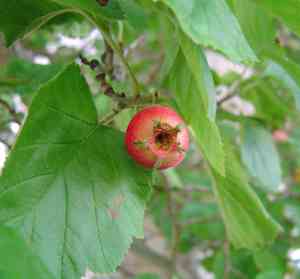
Transplanting Downy hawthorn is advantageous from late summer through late autumn, allowing its root system sufficient time to settle prior to freezing temperatures. Select a bright, adequately drained location with rich earth to guarantee a successful move.
Required Preparations Before Relocating Downy Hawthorn?
Optimal Period for Relocating Downy Hawthorn?
The best time for moving downy hawthorn is from the close of summer through the latter part of autumn. This timeframe allows the plant to establish its root system before the ground freezes. Relocating downy hawthorn during this season offers the benefit of cooler temperatures and increased soil moisture, fostering root development and minimizing transplant shock.
Recommended Spacing Between Downy Hawthorn Plants?
Ensure downy hawthorn are spaced approximately 20-30 feet (6-9 meters) apart to provide ample room for healthy growth. Proper spacing aids in good air circulation and limits disease propagation.
Ideal Soil Mixture for Downy Hawthorn Relocation?
Prepare the soil by ensuring it drains well and is rich in organic material. Incorporating compost or aged manure can be advantageous. Aim for a slightly acidic to neutral pH (6.0-7.0) for downy hawthorn. Utilize a balanced base fertilizer to supply essential nutrients.
Where Should You Replant Your Downy Hawthorn?
Select a site that receives full sun, meaning a minimum of 6 hours of direct sunlight daily. This will help downy hawthorn flourish and produce attractive foliage and blooms. Confirm the area is protected from excessively strong winds.
Equipment to Prepare Before Transplanting Downy Hawthorn?
Gardening Gloves
To safeguard your hands while handling soil and the plant.
Shovel or Spade
For excavating the trench and lifting the plant from the earth.
Trowel
For precise soil work and digging smaller holes.
Watering Can or Hose
For moistening the soil before and after the relocation.
Wheelbarrow
For easier transportation of the plant and soil.
Burlap or Plastic Sheeting
For wrapping the root ball during transit.
How to Extract Downy Hawthorn from the Soil?
How to Extract Downy Hawthorn from the Soil?
From Ground: First, hydrate the downy hawthorn plant to moisten the soil. Next, excavate a wide trench around the plant using a shovel or spade, ensuring the plant's root ball remains intact. Carefully work the spade beneath the root ball to lift the plant from its original spot.From Pot: Water the pot thoroughly to help loosen the soil. Gently hold the base of the downy hawthorn plant and tilt the pot sideways. Tap the pot's sides to aid in releasing the root ball. Slowly slide the plant out, taking care not to harm the roots.From Seedling Tray: Water the tray to make the soil easier to manage. Gently lift the downy hawthorn seedling from the tray using a trowel, being careful to keep the root ball intact. Hold the seedling by its leaves or root ball to minimize any damage.
Step-by-Step Guide for Relocating Downy Hawthorn
Prepare the New Location
Clear the transplanting area of weeds and debris. Dig a hole that is approximately twice the size of the downy hawthorn plant's root ball.
Extraction
Follow the specific removal procedure based on whether the plant originates from the ground, a pot, or a seedling tray.
Transporting the Plant
If necessary, wrap the root ball in burlap or plastic sheeting and carefully place it in a wheelbarrow for easier movement.
Planting
Position the downy hawthorn plant in the prepared hole at the new site, ensuring it sits at the same depth as it was in its previous spot. Backfill the hole with soil, gently pressing it down to eliminate air pockets.
Watering
Thoroughly water the plant after relocation to help settle the soil around its roots.
Mulching
Apply a layer of mulch around the base of the downy hawthorn plant to help retain moisture and suppress weeds.
How to Care For Downy Hawthorn After Relocation?
Watering
Keep the soil around the downy hawthorn consistently moist, but not waterlogged, for the initial weeks post-transplant to aid in establishing strong roots.
Monitoring
Regularly inspect the plant for indications of stress or disease. Address any issues promptly to ensure the plantâs healthy establishment.
Fertilizing
Avoid fertilizing immediately after relocation; wait until the downy hawthorn plant exhibits new growth before applying any fertilizer.
Mulching
Maintain a 2-3 inch layer of mulch around the plant's base to help conserve soil moisture and regulate temperature.
Addressing Common Issues with Downy Hawthorn Relocation.
When is the best time to relocate downy hawthorn?
The optimal period to move downy hawthorn is from late summer to late autumn.
What spacing should I use for downy hawthorn during relocation?
Space downy hawthorn 20 to 30 feet (6 to 9 meters) apart for ideal growth.
How deep should the planting hole be for downy hawthorn?
Excavate a hole twice as wide as the root ball and equally deep.
Should I water downy hawthorn immediately after relocation?
Yes, water thoroughly right after transplanting to settle the soil and lessen shock.
How can I minimize transplant shock in downy hawthorn?
Water deeply, mulch around the base, and refrain from immediate fertilization to reduce shock.
What soil type is best for downy hawthorn?
Downy hawthorn thrives in well-drained, loamy soil with moderate fertility for optimal results.
Is it necessary to prune downy hawthorn before relocation?
Lightly trim any damaged or excessively long roots before transplanting to encourage new growth.
How much sunlight does downy hawthorn require after relocation?
Downy hawthorn prefers full sun, meaning at least 6 hours of direct sunlight daily.
Is staking downy hawthorn necessary after relocation?
Staking can be beneficial if downy hawthorn is tall or situated in a windy location.
How long should I continue watering downy hawthorn after relocation?
Keep the soil consistently moist but not waterlogged for the initial few months after transplanting.



