How to Transplant Fireberry hawthorn?
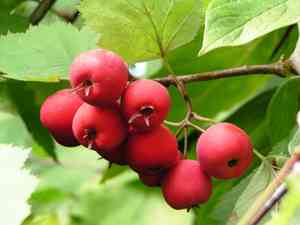
For optimal root development, the most suitable period to relocate fireberry hawthorn is during its active growth phase, spanning from late spring through early summer. Select a site featuring adequately draining earth and exposure to full sunlight or partial shade. Consistent irrigation after transplantation is crucial for successful recuperation.
What Preparations are Needed Before Transplanting Fireberry Hawthorn?
What is the Ideal Time for Transplanting Fireberry Hawthorn?
The optimal period to move fireberry hawthorn is from late spring to early summer. This timing ensures mild temperatures and consistent warmth, aiding in its adjustment. Relocating during this phase protects fireberry hawthorn from harsh winter conditions and allows sufficient time for root establishment before intense summer heat promotes vigorous development.
How Much Space Should You Leave Between Fireberry Hawthorn Plants?
When relocating fireberry hawthorn, ensure ample room for growth. Aim for a separation of approximately 15-20 feet (4.5-6 meters). This spacing prevents competition and allows them to achieve their full, beautiful potential.
What is the Best Soil Mix for Fireberry Hawthorn Transplanting?
For fireberry hawthorn, a soil that drains well and is rich in organic material will ensure success. Before moving, incorporate compost or aged manure into the soil as a foundational fertilizer. An ideal soil pH for fireberry hawthorn is between 6.0 and 7.5.
Where Should You Relocate Your Fireberry Hawthorn?
Select a site that receives full sun to partial shade for your fireberry hawthorn. This promotes optimal fruit production and overall plant health. Look for a location that gets at least 4-6 hours of sunlight daily.
What Equipments Should You Prepare Before Transplantation Fireberry Hawthorn?
Gardening Gloves
To safeguard your hands while handling soil and the plant.
Shovel or Spade
For digging around and lifting the plant.
Garden Fork
To loosen the soil surrounding the root ball.
Watering Can or Hose
To hydrate the plant before and after relocation.
Wheelbarrow or Plant Dolly
To move the plant with ease and safety.
Pruning Shears
To trim any damaged roots or branches.
Bypass Pruners
For making clean cuts on thicker stems if required.
Mulch
To help maintain soil moisture and regulate temperature after transplant.
Tarp or Burlap
To cover the root ball during transport to prevent drying.
How Do You Remove Fireberry Hawthorn from the Soil?
How Do You Remove Fireberry Hawthorn from the Soil?
From Ground: First, moisten the fireberry hawthorn plant to dampen the soil. Next, dig a wide trench around the plant using a shovel or spade, ensuring the plant's root ball remains intact. Carefully work the spade beneath the root ball to lift the plant from its original spot.From Pot: Begin by thoroughly watering the fireberry hawthorn plant. Gently tilt the pot and tap its sides to loosen the root ball. Gradually ease the plant out, making sure to support the root ball and avoid excessive root disturbance.From Seedling Tray: Water the seedlings thoroughly. Use a spoon or a dibbler to carefully remove the seedling from its cell, supporting the root and soil mass. Handle the young plants gently to prevent damage to their delicate roots and stems.
Step-by-Step Guide for Transplanting Fireberry Hawthorn
Preparation
Start by thoroughly watering the fireberry hawthorn several hours before transplanting to ensure its roots are hydrated.
Digging the Hole
Excavate a hole in the ground twice as wide and the same depth as the root ball to accommodate the entire root system comfortably.
Root Ball Care
Gently untangle any circling roots to encourage outward growth. Carefully trim away any broken or dead roots.
Placing the Plant
Position the fireberry hawthorn in the center of the hole, ensuring it's at the same depth as it was previously. Adjust its placement to keep the plant upright.
Backfilling
Fill the hole with the excavated soil, gently firming it down around the roots to eliminate air pockets.
Watering
Water the fireberry hawthorn slowly and deeply to settle the soil around the roots and provide hydration.
Mulching
Apply a layer of mulch around the base of the fireberry hawthorn to conserve moisture and maintain a consistent soil temperature.
Support
If the fireberry hawthorn is top-heavy or in a windy location, stake the plant to help stabilize it during root establishment.
How Do You Care For Fireberry Hawthorn After Transplanting?
Watering
Keep the soil around the fireberry hawthorn consistently moist, but not waterlogged, for the initial weeks after transplanting to aid in strong root development.
Stake Checking
Regularly inspect any stakes or supports and adjust as needed to ensure the fireberry hawthorn remains stable and grows straight.
Pruning
Prune any damaged or diseased branches to help the fireberry hawthorn focus its energy on root establishment and new growth.
Observe
Monitor the fireberry hawthorn for indications of transplant shock, such as wilting or browning leaves, and take appropriate measures as necessary.
Troubleshooting Common Issues with Fireberry Hawthorn Transplantation.
What's the best time of year to transplant fireberry hawthorn?
Transplant fireberry hawthorn ideally when the weather warms, between late spring and early summer.
How much space do I need when transplanting fireberry hawthorn?
Ensure ample space, ideally 15-20 feet (4.5-6 meters) apart, to accommodate growth.
What should I do if fireberry hawthorn's leaves wilt after transplanting?
Consistent watering is keyâkeep the soil moist but not soggy to help fireberry hawthorn recover.
How deep should I dig the hole for fireberry hawthorn when transplanting?
Dig a hole twice as wide and the same depth as the root ball for proper planting.
Can I transplant fireberry hawthorn on a hot day?
It's best to transplant on a cloudy day or in the evening to reduce transplant shock.
How do I prepare the soil for transplanting fireberry hawthorn?
Fireberry hawthorn thrives in well-draining soil; enrich with compost or organic matter before planting.
What are signs of transplant shock in fireberry hawthorn?
Drooping leaves, wilting, and minimal new growth may indicate shock. Provide shade and water.
How can I tell if I'm watering fireberry hawthorn enough after transplanting?
The soil should be moist to 2 inches (5 cm) deep. Use mulch to retain moisture.
When should I fertilize fireberry hawthorn after transplanting?
Wait until fireberry hawthorn has settled and shows new growth before applying a balanced fertilizer.
How do I protect fireberry hawthorn during the first winter after transplanting?
Applying mulch around the base helps regulate soil temperature and protects the root system.



