How to Transplant Swamp thistle?
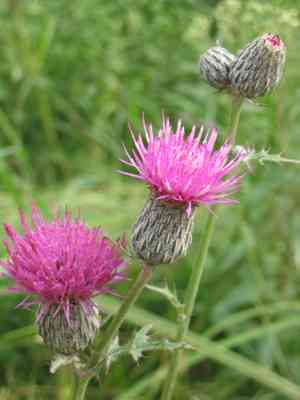
The most favorable period for transplanting swamp thistle extends from the vigor of late spring through midsummer, or alternatively, during its dormant phase from late fall until early winter. Choose a location featuring damp earth, ideally close to aquatic environments, guaranteeing exposure to both direct sunlight and some dappled shade. Following its relocation, provide swamp thistle with regular irrigation to facilitate its successful integration.
What Preparations are Needed Before Transplanting Swamp Thistle?
What is the Ideal Time for Transplanting Swamp Thistle?
The optimal period for relocating swamp thistle is typically from the onset of late spring through the peak of summer, or during the cool embrace of late autumn to the early days of winter. These intervals provide swamp thistle with balanced temperatures and favorable soil conditions, which promotes root development and minimizes stress. Moving the plant during these times leverages its natural growth cycles, fostering a robust start and promising future growth in its new spot.
How Much Space Should You Leave Between Swamp Thistle Plants?
When getting ready to move your swamp thistle, aim for adequate spacing between them. Ideally, 18-24 inches (45-60 cm) apart is suitable. This provides ample room for them to thrive without competing for nutrients or sunlight.
What is the Best Soil Mix for Swamp Thistle Transplanting?
For thriving swamp thistle, prepare the soil with a rich blend of organic material. Utilize loamy, well-draining soil and enhance it with a balanced, slow-release fertilizer. The soil pH should be neutral to slightly acidic to best suit their root system.
Where Should You Relocate Your Swamp Thistle?
Select a bright location for your swamp thistle as they prefer ample light. An area receiving full sun to partial shade will keep them flourishing. Ensure the spot gets at least 4-6 hours of sunlight daily, shielding them from intense afternoon sun if necessary.
What Equipments Should You Prepare Before Transplantation Swamp Thistle?
Gardening Gloves
To safeguard your hands while handling soil and swamp thistle.
Spade or Shovel
For excavating around and beneath the swamp thistle to extract it from its current position.
Garden Fork
To gently loosen the soil surrounding swamp thistle's roots without causing damage.
Watering Can or Garden Hose
To hydrate swamp thistle before and after its relocation.
Pruning Shears
To trim any dead or damaged roots and foliage.
Wheelbarrow or Garden Cart
To move swamp thistle from its original spot to the new site.
Support Stakes
To offer stability to the swamp thistle in its new location if required.
How Do You Remove Swamp Thistle from the Soil?
How Do You Remove Swamp Thistle from the Soil?
From Ground: Hydrate swamp thistle to moisten the soil. Use a shovel or spade to dig a wide circle around swamp thistle, ensuring the plant's root ball stays intact. Carefully work the shovel under the root ball and gently lift swamp thistle from the ground.From Pot: Water swamp thistle beforehand, then carefully turn the pot on its side and tap the bottom to loosen the plant. Support swamp thistle by its base and carefully slide it out of the pot while preserving the root ball.From Seedling Tray: Water the tray to make the soil damp, which aids in root extraction. Use a garden fork or small hand tool to gently lift each swamp thistle seedling individually, taking care to protect the roots.
Step-by-Step Guide for Transplanting Swamp Thistle
Prepare the New Site
Dig a hole in the ground that is twice as wide and the same depth as the swamp thistle's root ball.
Inspect the roots
After removing swamp thistle from its initial spot, examine the root ball for dead or damaged roots and trim with pruning shears.
Position swamp thistle
Place swamp thistle in the center of the freshly dug hole. The top of the root ball should be level with the soil surface.
Fill the Hole
Gently backfill the hole with soil around the root ball, ensuring no air pockets remain. Firm the soil with your hands.
Support swamp thistle
If the swamp thistle is tall or top-heavy, insert support stakes into the ground and gently tie the plant to the stakes for added stability.
Water Thoroughly
After planting, water swamp thistle generously to settle the soil around the roots and eliminate any remaining air pockets.
How Do You Care For Swamp Thistle After Transplanting?
Monitoring
Regularly check on swamp thistle to observe its adjustment to the new location and modify care as needed.
Staking
Ensure the stakes are firmly supporting swamp thistle, and adjust the ties as swamp thistle grows to prevent stem damage.
Pruning
Remove any dead or yellowing leaves to help swamp thistle direct its energy towards healthy growth.
Protection
In the event of strong winds or heavy rain, provide additional support or shelter for swamp thistle to prevent damage.
Troubleshooting Common Issues with Swamp Thistle Transplantation.
How deeply should I plant swamp thistle?
Plant swamp thistle so that the root ball rests just beneath the soil surface, not excessively deep.
What's the best time to transplant swamp thistle?
For successful establishment, move swamp thistle during late spring to mid-summer, or from late fall to early winter.
How far apart should I space swamp thistle when transplanting?
Space swamp thistle 18-24 inches (45-60 cm) apart to allow for growth and air circulation between plants.
What soil preparation is needed for swamp thistle?
Loosen the soil and incorporate compost to enrich it before relocating swamp thistle.
Should I water swamp thistle immediately after transplanting?
Yes, provide swamp thistle with ample watering to help settle the soil and reduce transplant shock.
How can I protect swamp thistle after transplanting?
Mulch around swamp thistle to retain moisture and regulate soil temperature, but keep mulch away from the stems.
Why is my swamp thistle wilting after transplant?
Wilting indicates transplant shock; ensure proper watering and initially avoid excessive sun exposure.
Can swamp thistle tolerate being transplanted in hot weather?
Relocate swamp thistle during cooler parts of the day and provide shade to prevent stress in hot weather.
Is it necessary to prune swamp thistle during transplanting?
Trimming damaged roots or stems can encourage healthy growth after transplanting swamp thistle.
How soon will swamp thistle recover from transplant shock?
With appropriate care, swamp thistle should begin to establish and show new growth within a few weeks.



