How to Transplant Longstalk sedge?
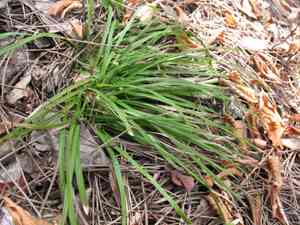
The optimal period for transplanting longstalk sedge is during the mild onset of the growing season, specifically from the beginning to the end of spring. This timing facilitates root development prior to the summer heat. Select a location offering partial shade and damp earth to replicate its native habitat.
Essential Preparations Before Relocating Longstalk Sedge
Optimal Period for Moving Longstalk Sedge?
Greetings garden enthusiasts! The perfect window to transplant longstalk sedge is in the gentle embrace of spring's awakening. This period offers the ideal conditions for successful establishment in its new location with cooler temperatures and moister soil aiding in root development. Leveraging this timing, your longstalk sedge will thrive, gaining a robust head start for the coming growing season. This strategic timing ensures a blend of mild weather and increased soil workability, providing an optimal transplanting environment for longstalk sedge. So, embrace the spirit of spring to give longstalk sedge the best chance for a lush, vigorous presence in your garden!
Recommended Spacing Between Longstalk Sedge Plants?
When you're ready to give a new home to longstalk sedge, space them out nicely so they have room to flourish. Aim for about 8-12 inches (20-30 cm) between each plant. This will give them ample room to grow while allowing for good air circulation.
Best Soil Blend for Longstalk Sedge Relocation?
For longstalk sedge, a rich, well-drained soil works wonders. Start by amending your garden bed with compost to enrich it. A balanced, slow-release fertilizer mixed into the soil can also give them a great start after the transplant.
Ideal New Location for Your Longstalk Sedge?
These little longstalk sedge loves a spot where they can bask in partial to full shade. So pick a location where the sunlight is gentle, especially one that mimics a natural woodland setting, to make them feel right at home!
Tools Required for Transplanting Longstalk Sedge
Gardening Gloves
To protect your hands while working with the soil and plant.
Spade or Shovel
To dig around and lift the longstalk sedge plant from its current location.
Hand Trowel
For smaller digging tasks and refining the new planting hole.
Watering Can or Hose
To water the longstalk sedge before and after transplanting.
Wheelbarrow
For transporting the longstalk sedge and any soil or materials needed during the process.
Pruning Shears
To trim any damaged roots or foliage if necessary.
Techniques for Extracting Longstalk Sedge from Soil
Techniques for Extracting Longstalk Sedge from Soil
From Ground: After ensuring the ground is moist, use a spade or shovel to carve out a generous circumference around the longstalk sedge to preserve the root ball. Once loose, gently lift the plant, retaining as much soil around the roots as possible.From Pot: Tilt the pot sideways and gently tap to loosen the longstalk sedge. Slide the root ball out, being careful not to yank on the stems or leaves.From Seedling Tray: Use a hand trowel or fingers to carefully remove the longstalk sedge from its compartment. Support the plant by its root ball to avoid damage to the stems or leaves.
Detailed Steps for Transplanting Longstalk Sedge
Prepare New Site
Dig a hole in the ground that's twice the width of the longstalk sedge's root ball and the same depth to avoid burying the plant too low.
Inspect the Root Ball
Examine the longstalk sedge's roots for any signs of damage or disease and trim if necessary using pruning shears.
Position the longstalk sedge
Carefully place the longstalk sedge in the center of the prepared hole, spreading out the roots gently.
Refill the Hole
Slowly backfill the hole with soil, patting it down around the roots to remove any air pockets.
Water Thoroughly
After planting, water the longstalk sedge generously to settle the soil and provide moisture to the roots.
Post-Transplant Care for Longstalk Sedge
Immediate Watering
Water the longstalk sedge thoroughly after transplanting to help it recover from the shock of being moved.
Mulching
Apply a layer of organic mulch around the longstalk sedge to retain soil moisture and regulate temperature.
Regular Monitoring
Check on your longstalk sedge frequently to ensure it's adapting well to its new location and address any concerns promptly.
Pruning
Trim any damaged or dead foliage to focus the longstalk sedge's energy on root establishment and new growth.
Resolving Common Issues with Longstalk Sedge Transplantation.
What's the best time to transplant longstalk sedge?
Transplant longstalk sedge during its prime season from early to late spring, when growth is active.
How far apart should I space longstalk sedge when transplanting?
Allow 8-12 inches (20-30 cm) between each longstalk sedge to promote healthy growth and air circulation.
Why is my transplanted longstalk sedge wilting?
Wilting may occur due to transplant shock. Ensure proper watering and avoid direct sunlight initially.
How deep should the hole be for transplanting longstalk sedge?
Dig a hole as deep as the root ball and twice as wide to encourage root expansion.
Can I transplant longstalk sedge in hot weather?
Transplanting longstalk sedge in very hot weather can stress the plant. Aim for cooler spring days.
What soil conditions favor longstalk sedge after transplanting?
Use well-draining soil with organic matter. Test for moisture retention without waterlogging.
How often should longstalk sedge be watered after transplanting?
Water longstalk sedge thoroughly after transplanting and then regularly, allowing soil to dry slightly between watering.
Should I fertilize longstalk sedge right after transplanting?
Wait a few weeks before fertilizing to let longstalk sedge establish itself without burning the roots.
How do I help longstalk sedge recover from transplant shock?
Keep the soil moist, provide shade, and avoid fertilizers. Patience is key to recovery.
Why are longstalk sedge's leaves turning yellow after transplant?
Yellowing leaves may signal overwatering or poor drainage. Adjust your watering schedule and check the soil.



