How to Transplant Plain mariposa lily?
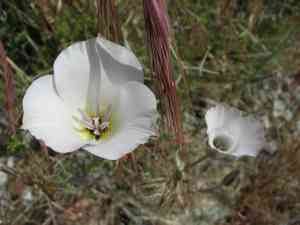
The plain mariposa lily flourishes when relocated between early and late spring, a timeframe that guarantees superior root development. Select a bright, adequately drained spot to replicate its native environment. Handle the roots with care to prevent harm and foster robust growth.
What Preparations are Needed Before Transplanting Plain Mariposa Lily?
What is the Ideal Time for Transplanting Plain Mariposa Lily?
Plain mariposa lily, a perennial plant, thrives when moved from early spring to its conclusion. This period offers optimal soil warmth and moisture, ensuring strong root establishment and vigorous growth. Relocating during these months also minimizes transplant shock and enhances overall plant health, setting the stage for a robust blooming season.
How Much Space Should You Leave Between Plain Mariposa Lily Plants?
When transplanting plain mariposa lily, ensure each plant is spaced approximately 4-6 inches (10-15 cm) apart. This provides ample room for healthy development and prevents overcrowding.
What is the Best Soil Mix for Plain Mariposa Lily Transplanting?
Prepare the soil with a well-draining mixture, rich in organic matter. Adding a balanced base fertilizer, such as one with equal parts nitrogen, phosphorus, and potassium, will support plain mariposa lily's growth.
Where Should You Relocate Your Plain Mariposa Lily?
Plain mariposa lily prefers a location with full sun, where it can receive at least 6 hours of sunlight daily. Choose a bright spot in your garden for optimal blooming.
What Equipments Should You Prepare Before Transplantation Plain Mariposa Lily?
Gardening Gloves
To safeguard your hands while handling soil and the plant.
Shovel or Spade
To excavate the plant from its initial spot.
Trowel
For more precise digging and careful handling of the plant's root ball.
Wheelbarrow
To move the plant to its new location without causing damage.
Watering Can or Hose
To keep the soil hydrated during the transplanting process.
Mulch
To help retain moisture in the newly planted area.
How Do You Remove Plain Mariposa Lily from the Soil?
How Do You Remove Plain Mariposa Lily from the Soil?
From Ground: First, water the plain mariposa lily plant to moisten the soil. Then, dig a wide trench around the plant using a shovel or spade, ensuring the plant's root ball remains intact. Carefully work the spade under the root ball to lift the plant from its original location.From Pot: Water the plain mariposa lily plant thoroughly an hour before transplanting. Gently tip the pot on its side and tap the sides to loosen the soil. Carefully slide the plant out, ensuring the root ball stays intact.From Seedling Tray: Water the plain mariposa lily seedlings to ensure theyâre well-hydrated. Use a trowel to gently lift the seedlings from the tray, taking care not to damage the roots.
Step-by-Step Guide for Transplanting Plain Mariposa Lily
Site Selection
Choose a location with adequate sunlight and space for your plain mariposa lily plant to reach its mature size.
Digging the New Hole
Prepare a hole in the new location that is twice as wide and equally deep as the root ball of the plain mariposa lily plant.
Plant Preparation
Inspect the plain mariposa lily plant's roots. If they appear tightly wound or pot-bound, gently separate them to encourage outward growth.
Placing the Plant
Set the plain mariposa lily plant in the prepared hole, ensuring that it's positioned at the same depth it was in its original location. The top of the root ball should be level with the ground surface.
Backfilling
Fill the hole with soil, gently pressing it down to eliminate air pockets. Be careful not to compact the soil too much as plain mariposa lily plants prefer well-aerated soil.
Watering
Water the plain mariposa lily plant thoroughly immediately after transplanting to help settle the soil. Continue to keep the soil moist but not waterlogged in the following weeks.
How Do You Care For Plain Mariposa Lily After Transplanting?
Watering
Keep the soil around the plain mariposa lily consistently moist, but not soggy, for the first few weeks after transplanting to help establish strong roots.
Mulching
Apply a layer of mulch around the base of the plain mariposa lily plant to conserve moisture, regulate soil temperature, and prevent weeds.
Monitoring
Regularly check the plain mariposa lily plant for signs of stress such as wilting or yellowing leaves, and adjust care as necessary.
Protection
If you expect any cold weather or frost, consider covering the plain mariposa lily plant with a protective cloth or frost cover during nights.
Troubleshooting Common Issues with Plain Mariposa Lily Transplantation.
When is the best time to transplant plain mariposa lily?
Relocate plain mariposa lily from early spring to late spring for optimal growth and establishment.
How much space should I give each plain mariposa lily?
Plant plain mariposa lily 4-6 inches (10-15 cm) apart to ensure adequate space for growth.
How do I prepare the soil for plain mariposa lily?
Ensure soil is well-drained and fertile. Amend with compost to enhance nutrient content.
What should I do if plain mariposa lily wilts after transplanting?
Maintain consistent moisture and provide partial shade to reduce transplant shock.
Should I water plain mariposa lily immediately after transplanting?
Yes, water thoroughly after transplanting to help settle the soil around the roots.
What depth should I plant plain mariposa lily bulbs?
Plant plain mariposa lily bulbs 2-3 inches (5-8 cm) deep for best results.
Can I transplant plain mariposa lily during hot weather?
Avoid transplanting in hot weather. Instead, stick to early spring to late spring.
How do I reduce transplant shock for plain mariposa lily?
Water thoroughly and provide light shade for the first few days after transplanting.
What type of mulch is best for plain mariposa lily?
Use organic mulch like straw or wood chips to retain moisture and regulate soil temperature.
Should I fertilize plain mariposa lily after transplanting?
Fertilize lightly after transplanting to provide essential nutrients without overwhelming the plant.



