How to Transplant Parry's Agave?
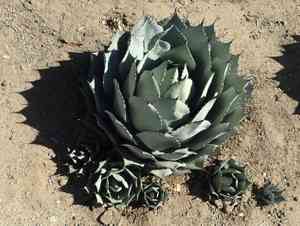
The optimal period for relocating parry's Agave is in early spring, since elevated temperatures foster robust root growth. Select a site featuring soil that drains effectively and receives abundant sunlight. Should it be necessary, provide additional stability to the plant by staking it and ensuring sufficient moisture following its transfer.
What Preparations are Needed Before Transplanting Parry's Agave?
What is the Ideal Time for Transplanting Parry's Agave?
The optimal period to move parry's Agave is when new spring growth emerges. This timeframe provides parry's Agave with the necessary equilibrium for successful relocation, as temperatures are neither excessively high nor low. Shifting parry's Agave in early spring boosts its chances of flourishing, allowing ample time to establish before the heat of summer or chill of winter arrives. Remember, the best environment for parry's Agave is a nursery for optimal development. Be gentle with parry's Agave as it patiently awaits its new home. No exaggeration, just the sincere truth for growing parry's Agave.
How Much Space Should You Leave Between Parry's Agave Plants?
For optimal outcomes with your parry's Agave, provide each plant ample room to thrive by spacing them 6-8 feet (1.8-2.4 meters) apart. This ensures sufficient area for their roots to expand and develop!
What is the Best Soil Mix for Parry's Agave Transplanting?
When preparing soil for your parry's Agave, select a well-draining mixture with a sandy or rocky consistency. Incorporating a balanced slow-release fertilizer or an organic compost blend will give the plants a healthy start!
Where Should You Relocate Your Parry's Agave?
Select a sunny location for your parry's Agave transplant. These plants flourish in areas receiving full sun exposure for at least 6 hours daily. Ample sunlight will promote robust growth and vibrant blooms!
What Equipments Should You Prepare Before Transplantation Parry's Agave?
Gardening Gloves
To safeguard your hands from any sharp points on the parry's Agave leaves.
Shovel
To excavate around and beneath the parry's Agave's root ball in its original spot, and also to dig a hole in the new planting site.
Gardening Spade
For more precise digging if the parry's Agave is smaller or requires specific attention.
Wheelbarrow or Plant Pot
To move the parry's Agave from one place to another without causing damage.
Watering Can/Hose
To hydrate the parry's Agave before and after its relocation.
How Do You Remove Parry's Agave from the Soil?
How Do You Remove Parry's Agave from the Soil?
From Ground: Start by thoroughly watering the parry's Agave a few hours prior to your planned transplant. This helps maintain the integrity of the root ball. Then, carefully dig around the plant's base with a shovel or spade, ensuring a wide enough perimeter to protect the root system. Once the soil is loosened, dig beneath the plant and gently lift it from the ground.From Pot: If the parry's Agave is potted, begin by watering it. Next, gently tap the pot's sides to loosen the soil and root ball. Carefully tilt it sideways and slide the plant out. Avoid pulling by leaves or stems, and ensure the root ball is supported.From Seedling Tray: If the parry's Agave are in a seedling tray, water the tray first. Then, gently push the plant up through the bottom holes, or squeeze the cell bottoms to release them.
Step-by-Step Guide for Transplanting Parry's Agave
Preparation
Prepare the new site by using your shovel to excavate a hole approximately twice the width and the same depth as the parry's Agave's root ball. Loosen the soil at the bottom of the hole. The wider opening allows roots to spread out.
Transplanting
Carefully position your parry's Agave in the hole. Adjust the plant so it stands upright and at the same soil level as its original growing location.
Refilling
Begin backfilling the hole with soil, firming it around the root ball. Ensure there are no air pockets in the soil, which could harm the roots.
Watering
Water thoroughly after transplanting. This aids in settling the soil around the parry's Agave's roots.
How Do You Care For Parry's Agave After Transplanting?
Watering Routine
Although parry's Agave is drought-tolerant, it requires consistent watering, especially during the first week post-transplant, to aid establishment. After a week, reduce watering and only irrigate when the top layer of soil appears dry.
Pruning
Remove any withered or decaying leaves to redirect energy towards new growth.
Pest Control
Monitor for common pests such as aphids and mealybugs. Employ organic pest-management techniques if necessary.
Winter Care
Parry's Agave is frost-resistant, but during severe winters, you might need to cover it or bring it indoors if it was planted in a container.
Troubleshooting Common Issues with Parry's Agave Transplantation.
When is the best time to transplant parry's Agave?
The ideal period to transplant parry's Agave is in early spring, just as the growth season commences.
How much space should I provide between parry's Agave plants?
For robust development, maintain a distance of approximately 6-8 feet (1.8-2.4 meters) between each parry's Agave plant.
What should I do if the leaves of parry's Agave start to wilt after transplanting?
Don't be concerned! Ensure the soil drains well, as stagnant water can cause wilting. Adjust watering practices if needed.
Why isn't my parry's Agave growing after being transplanted?
Parry's Agave growth might be slow due to transplant shock. Keep the soil moderately moist, avoid over-fertilizing, and be patient.
What type of soil is best to use when transplanting parry's Agave?
Parry's Agave prefers a well-drained, sandy or gritty soil. A cactus or succulent mix can be effective.
How much sun does my transplanted parry's Agave need?
Parry's Agave thrives on abundant sunshine. Ensure it receives full sun exposure for at least six hours daily for optimal growth.
My transplanted parry's Agave looks diseased, what should I do?
Inspect for pests and disease indicators. Remove affected portions, apply organic insecticidal soap, and observe consistently.
Do I need to prune my parry's Agave after transplanting?
No, parry's Agave generally doesn't require pruning. However, you can neaten it by removing any dead or damaged leaves.
How can I prevent root rot in my transplanted parry's Agave?
Ensure your parry's Agave is planted in well-drained soil and be careful not to overwater. This will prevent root rot.
Why are the leaves of my parry's Agave changing color after transplanting?
Parry's Agave leaves might alter color due to stress or nutrient deficiencies. Review your watering and feeding regimen to resolve this issue.



