How to Transplant Hairy indian mallow?
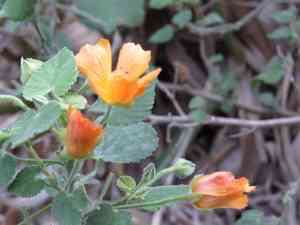
For hairy indian mallow, the ideal period for relocation extends from the end of winter's cold to the height of summer's heat. Select a bright spot with soil that drains effectively. When moving hairy indian mallow, guarantee very little disruption to its roots for successful integration.
What Preparations are Needed Before Transplanting Hairy Indian Mallow?
What is the Ideal Time for Transplanting Hairy Indian Mallow?
For hairy indian mallow, the optimal period for relocation is from late spring through early summer. This timeframe provides mild temperatures and extended daylight, which aids in root development and overall growth. Moving hairy indian mallow during this window helps ensure robust plants capable of enduring winter. A helpful hint: consistent, gentle watering after transplanting will assist hairy indian mallow in thriving in its new spot!
How Much Space Should You Leave Between Hairy Indian Mallow Plants?
To allow your hairy indian mallow to flourish, aim for a spacing of approximately 24-36 inches (61-91 cm) between plants. This provides ample room for each plant to grow large and healthy without competing with its neighbors.
What is the Best Soil Mix for Hairy Indian Mallow Transplanting?
Your hairy indian mallow will thrive in soil that drains well and contains a good amount of compost. Before moving, incorporate a balanced, slow-release fertilizer to give your hairy indian mallow a nutritional boost. A soil pH ranging from slightly acidic to neutral is perfect for hairy indian mallow.
Where Should You Relocate Your Hairy Indian Mallow?
Select a sunny location for your hairy indian mallow, as they prefer abundant sunlight. An area where they can receive at least six hours of direct sun daily would be perfect to encourage vigorous growth and beautiful blooms.
What Equipments Should You Prepare Before Transplantation Hairy Indian Mallow?
Gardening Gloves
To safeguard your hands while handling soil and plants.
Shovel or Spade
For excavating the plant from its current location and digging the new planting hole.
Pruning Shears
To trim any damaged roots or excessive foliage prior to transplanting.
Watering Can or Hose
To hydrate the hairy indian mallow before and after its relocation.
Wheelbarrow or Plant Dolly
For moving the hairy indian mallow if it is large or heavy.
Garden Fork
To loosen the soil around the hairy indian mallow's root ball for easier extraction.
Planting Stakes and Ties
To provide support for the hairy indian mallow after transplanting, if needed.
How Do You Remove Hairy Indian Mallow from the Soil?
How Do You Remove Hairy Indian Mallow from the Soil?
From Ground: First, moisten the hairy indian mallow plant to dampen the soil. Use a garden fork to loosen the soil surrounding the root ball. Then, carefully dig a wide circle around the plant with a shovel or spade, ensuring the root ball remains intact. Gently slide the shovel beneath the root ball to lift the plant from the ground.From Pot: Water the hairy indian mallow to make the soil moist and pliable. Turn the pot on its side and gently tap the edges to dislodge the plant. Gradually ease the plant out by its base, taking care to support the root ball.From Seedling Tray: Gently push the hairy indian mallow out from the bottom of the seedling tray cell, holding onto the soil and root ball, being careful not to disturb the roots.
Step-by-Step Guide for Transplanting Hairy Indian Mallow
Preparation
Before extracting the hairy indian mallow, prepare the new planting site by digging a hole that is twice as wide and the same depth as the root ball. Loosen the surrounding soil to allow roots to spread easily.
Root Ball Care
Inspect the hairy indian mallow's root ball after removal. Untangle any circling roots and use pruning shears to trim away any that are damaged or broken.
Plant Placement
Position the hairy indian mallow in the center of the prepared hole, ensuring it sits at the same level as it did in its original spot. The top of the root ball should be flush with the soil surface.
Refilling Hole
Backfill the hole with native soil, gently firming it around the plant. Water thoroughly to settle the soil and eliminate any air pockets.
Stabilizing Plant
If the hairy indian mallow is tall or top-heavy, insert planting stakes into the ground and loosely tie the plant to them for additional support.
How Do You Care For Hairy Indian Mallow After Transplanting?
Initial Watering
Water the hairy indian mallow generously immediately after transplanting to aid recovery from shock and help the soil settle.
Monitoring Stability
Periodically check the plant's stability and adjust ties if necessary, ensuring they are not too tight to impede growth.
Root Establishment
During the initial growing season, observe the hairy indian mallow to ensure it develops a strong root system. This may involve watering during dry periods to encourage deep root growth.
Mulching
Apply a layer of organic mulch around the base of the hairy indian mallow, keeping it away from the stem, to retain moisture and regulate soil temperature.
Troubleshooting Common Issues with Hairy Indian Mallow Transplantation.
How far apart should I space my hairy indian mallow during transplanting?
For optimal growth, plant hairy indian mallow 24-36 inches (61-91 cm) apart, allowing room for mature spread.
When is the best time to transplant hairy indian mallow?
Transplant hairy indian mallow in the gentle warmth of late-spring to early-summer for best establishment.
Why are my transplanted hairy indian mallow plants wilting?
Wilting post-transplant may indicate shock. Ensure adequate water, partial shade, and protect from strong winds initially.
Can I transplant hairy indian mallow on a hot, sunny day?
It's best to transplant hairy indian mallow on a cloudy day or in the evening to reduce stress and moisture loss.
How much should I water hairy indian mallow after transplanting?
Water hairy indian mallow generously just after transplanting, then maintain moist soil until established, but avoid waterlogging.
What soil conditions favor the transplant success of hairy indian mallow?
Plant hairy indian mallow in well-draining soil, enriched with organic matter, to encourage a healthy root system.
How deep should the planting hole be for hairy indian mallow?
Dig a hole as deep as the root ball and twice as wide to provide room for expansion.
What signs of distress should I look for after transplanting hairy indian mallow?
Look for yellowing leaves, stunted growth, or drooping, which can indicate transplant stress or poor conditions.
Should I prune hairy indian mallow before or after transplanting?
Light pruning of damaged or excessive growth before transplanting hairy indian mallow can focus energy on root establishment.
How do I protect my transplanted hairy indian mallow from pests and diseases?
Keep the area weed-free, use clean tools, and monitor regularly for pests and disease signs to keep your hairy indian mallow healthy.



