How to Transplant Britton's sedge?
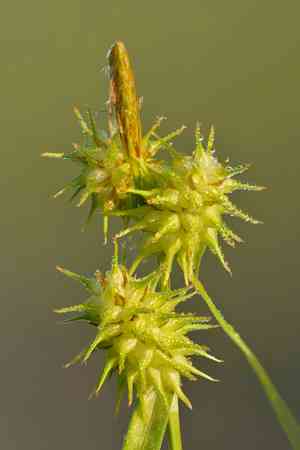
Britton's sedge flourishes when relocated in the cooler seasons of early to late spring or early to late winter. Select a site offering partial shade and soil that drains effectively. Providing damp, fertile conditions significantly boosts successful rooting.
Preparations Required Before Relocating Britton's Sedge?
Optimal Period for Moving Britton's Sedge?
Britton's sedge, a perennial, is best moved from early to late spring or early to late winter. These times provide ideal soil moisture and moderate temperatures, promoting robust root development. Transplanting during these seasons minimizes shock and enhances establishment, leading to vigorous growth in the subsequent season.
Recommended Spacing Between Britton's Sedge Plants?
When relocating britton's sedge, ensure approximately 12 inches (30 cm) between each plant. This spacing allows ample room for growth and prevents overcrowding.
Ideal Soil Blend for Britton's Sedge Relocation?
For britton's sedge, prepare a soil mix that drains well. A combination of garden soil with compost or organic material works effectively. Incorporating a base fertilizer suitable for perennials can provide a healthy start.
Preferred New Location for Your Britton's Sedge?
Britton's sedge flourishes best in full sun to partial shade. Select a garden spot that receives at least 6 hours of sunlight daily to ensure strong and healthy development.
Equipment Needed Before Relocating Britton's Sedge?
Gardening Gloves
To safeguard your hands while handling soil and plants.
Shovel or Spade
For excavating the plant from its original spot and preparing the new planting site.
Trowel
Useful for more precise digging and gentle plant handling.
Watering Can or Hose
To hydrate the plant before and after its relocation.
Wheelbarrow
For moving the plant, soil, or mulch as needed.
Mulch
To aid in moisture retention and regulate soil temperature around the newly transplanted plant.
How to Extract Britton's Sedge from the Soil?
How to Extract Britton's Sedge from the Soil?
From Ground: First, moisten the soil around the britton's sedge plant. Then, dig a wide trench around the plant using a shovel or spade, ensuring the root ball remains intact. Carefully work the spade beneath the root ball to lift the plant from its original location.From Pot: Water the britton's sedge plant thoroughly. Gently turn the pot sideways and tap the bottom to loosen the plant. Slide the plant out, making sure to keep the root ball intact. If the plant is root-bound, gently separate the roots before transplanting.From Seedling Tray: Water the seedlings well. Use a trowel or your fingers to gently lift each seedling from the tray, ensuring you take a small amount of soil with the roots to avoid damage.
Step-by-Step Guide for Relocating Britton's Sedge
Site Preparation
Ensure the new site is ready with a planting hole twice the root ball's width and the same depth. This allows roots to spread naturally.
Placement
Position the britton's sedge plant centrally in the hole. The top of the root ball should be level with or slightly above the surrounding soil to prevent waterlogging.
Backfilling
Carefully refill the hole with soil, gently pressing down to eliminate air pockets. Ensure the plant is upright and stable.
Watering
Water the plant thoroughly immediately after transplanting to help settle the soil and initiate root establishment.
Mulching
Apply a layer of mulch around the plant's base to help retain moisture and regulate soil temperature. Keep the mulch a few inches away from the plant stem to prevent rot.
Post-Transplant Care for Britton's Sedge?
Watering
Keep the soil around the britton's sedge consistently moist, but not waterlogged, for the initial weeks after transplanting to aid strong root development.
Monitoring
Regularly inspect the plant for signs of stress, such as wilting or yellowing leaves, and address any issues promptly.
Protection
Consider using a temporary windbreak or shade cover if the weather is particularly harsh, to protect the britton's sedge during its initial establishment period.
Weeding
Keep the area around the britton's sedge free from weeds, as they compete for nutrients and water.
Resolving Common Issues with Britton's Sedge Relocation.
When is the best time to move britton's sedge?
The ideal period is from early to late spring or early to late winter.
What spacing should I use for moving britton's sedge?
Maintain a 12 inches (30 cm) spacing between each plant for optimal growth.
How should I prepare the soil for moving britton's sedge?
Ensure the soil is well-drained and enriched with organic matter like compost.
Can britton's sedge be moved into direct sunlight?
Yes, britton's sedge thrives in full sun to partial shade conditions, ensuring better growth.
Should I water britton's sedge immediately after moving?
Yes, water thoroughly right after transplanting to help settle the soil around the roots.
How do I handle britton's sedge's roots when moving?
Gently loosen the roots and ensure they are spread out when placing them in the ground.
What should I do if britton's sedge wilts after moving?
Ensure regular watering and partial shade to help the plant recover from transplant shock.
Can I use fertilizer when moving britton's sedge?
Yes, a balanced, slow-release fertilizer can be mixed into the soil during transplanting.
How deep should the planting hole be for britton's sedge?
Dig a hole deep enough to cover the root ball completely, about 6 inches (15 cm).
What should I do to protect britton's sedge from frost after moving?
Mulch around the base of the plant to insulate the roots and retain moisture.



