How Much Sunlight Do Common goldenthistle Need?
1
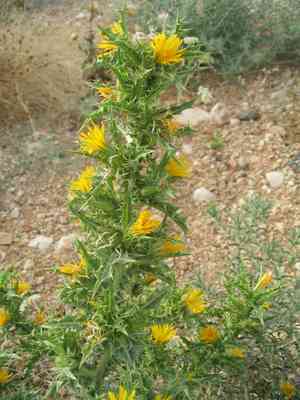
Common goldenthistle flourishes optimally with direct sun exposure but can tolerate some shade.
2
Indicators of ample light for Common goldenthistle are vibrant green foliage and vigorous development.
3
Insufficient light may result in elongated stems and sparse flowering for Common goldenthistle.
Ideal Light Requirements for Common goldenthistle
Full Sun Exposure
For Common goldenthistle to achieve its best growth, it's best to place it where it gets full sun. This means at least 6-8 hours of direct sunlight daily. Full sun helps the plant develop vibrant leaves and strong flowers. Plenty of sunlight ensures the plant's photosynthesis works well, promoting overall health and strength.
Partial Sunlight Conditions
Although Common goldenthistle prefers full sun, it can also handle partial sunlight. This means the plant can still thrive with 3-6 hours of direct sunlight each day, especially in the morning. In areas with very strong midday sun, partial sunlight might even be good to prevent burning. It's important to watch the plant to make sure it's not struggling in less than ideal light.
How to Recognize Sufficient Sunlight
Signs of Adequate Sunlight
One clear sign your Common goldenthistle is getting enough sunlight is the presence of lush, green leaves and vigorous growth. A healthy plant with proper sunlight will often have a compact shape, showing strong connections at its base. Also, abundant and frequent flowering indicates the plant is happy with its sun exposure. Observing these signs helps you determine if your plant's spot is optimal.
Effects of Insufficient Light
If Common goldenthistle doesn't get enough sunlight, it might show signs of stress. Common indicators of too little light include leggy growth, where the plant stretches toward the light, leading to thin stems. Additionally, leaves might turn pale or yellow, and the plant may produce fewer flowers. Ensuring the plant gets enough sunlight can prevent these problems and encourage a healthier growth cycle.
Best Places for Growing Common goldenthistle
Outdoor Planting Advice
When planting Common goldenthistle outside, pick a spot that gets plenty of sunlight all day. South or southwest-facing areas are often best for full sun needs. Make sure the soil drains well and consider adding mulch around the base to keep moisture in and reduce weeds. Consistently check the plant's water needs, especially during long dry periods, to support its strong growth in sunny conditions.
Indoor Cultivation Methods
If you're growing Common goldenthistle indoors, put it near a bright window where it can absorb sunlight for most of the day. South-facing windows are perfect. If natural light isn't enough, you can use grow lights as a supplement. Rotate the plant regularly for even growth and watch for signs of too little light, like stretching or paleness. Clean the leaves often to ensure they can absorb maximum light efficiently.
Seasonal Light Considerations for Common goldenthistle
Spring and Summer Light
During spring and summer, when sunlight is strongest, Common goldenthistle benefits from the abundant light. However, in extremely hot climates, some afternoon shade might protect it from burning. Ensuring regular watering during these months can help the plant handle the heat and make the most of the available sunlight for strong growth.
Fall and Winter Light
As days get shorter in fall and winter, Common goldenthistle might grow less due to lower light levels. If grown outdoors, ensure it still gets as much sunlight as possible by avoiding shaded areas. If it's potted indoors, consider moving it to a brighter spot or using grow lights to make up for shorter daylight hours. Adjust your care routines accordingly to support its health during lower light periods.
Common Light-Related Issues and Solutions
Managing Overexposure
While Common goldenthistle loves sunlight, too much exposure, especially in intense midday heat, can cause leaves to scorch. Signs of overexposure include brown or crispy leaf edges and fading leaf color. To protect your plant, consider providing shade during the hottest parts of the day, using garden fabric, or moving the plant to a spot with filtered light during peak sun hours.
Addressing Light Deficiency
If your Common goldenthistle isn't getting enough sunlight, you might notice signs like elongated stems and pale leaves. To fix light deficiency, move the plant to a sunnier spot or trim nearby plants that might be blocking light. Indoors, use full-spectrum grow lights to boost natural light. Regularly check the plant's health and adjust its position to ensure it receives adequate sunlight.



