How Much Sunlight Do Common freesia Need?
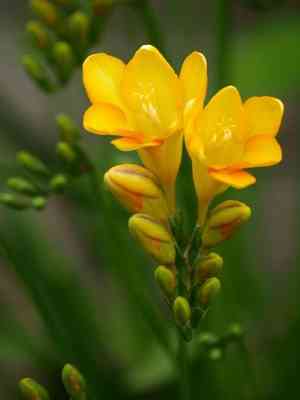
1
Common freesia performs optimally with 6-8 hours of direct sun exposure each day.
2
Filtered light or partial shade can be advantageous during peak daytime heat.
3
Indicators of excessive sun exposure involve burned foliage and fading color.
Optimal Light Requirements for Freesia
Does Freesia Require Abundant Sun?
Freesia, known for its vibrant blossoms and pleasant scent, thrives in bright conditions and performs best with full sun exposure. This means it needs a minimum of 6 to 8 hours of direct daylight daily. Ample sun ensures the plant produces strong and numerous flowers. Ideally, position your Freesia where it receives gentler morning light, followed by several hours of full afternoon sun. This balance maximizes bloom production while minimizing leaf burn risk.
Can Freesia Flourish in Partial Shade?
While Freesia prefers full sun, it can withstand partial shade, especially during the day's hottest periods. In regions with intense midday heat, providing some afternoon shade can shield the plant from harsh conditions. Partial shade implies the plant should still get at least 4 to 6 hours of direct sunlight, preferably during cooler parts of the day. However, too much shade can diminish flowering and result in lanky, less robust growth.
Effect of Direct vs. Diffused Sunlight on Freesia
Direct sunlight refers to light directly hitting the plant, which is vital for Freesia to flower profusely. Indirect sunlight, while still beneficial, is less intense and can be suitable for Freesia during peak heat or when grown indoors. Excessive direct sun without proper care can lead to scorched leaves, while insufficient light can cause poor blooming. Achieving a balance between periods of direct and diffused sunlight can help maintain the plant's health and vibrancy.
Seasonal Light Adaptations for Freesia
Spring and Summer Light Demands
During spring and summer, when Freesia is actively developing and blooming, consistent full sun is essential. Aim for 6 to 8 hours of direct sunlight daily. As temperatures climb, morning sun coupled with afternoon shade can help prevent overheating and preserve flower quality. In these seasons, sunlight is more intense and prolonged, which is perfect for the plant's growth cycle.
Autumn and Winter Light Considerations
As days shorten in autumn and winter, Freesia's light exposure naturally diminishes. While the plant enters dormancy in these periods, ensuring it still receives some light, particularly if cultivated indoors, is advantageous. Providing around 4 hours of indirect sunlight can help maintain bulb health until the next growing season. Relocating potted freesia to a sunnier indoor spot can help achieve this.
Indicators of Inadequate Light Exposure
Symptoms of Excessive Sunlight
Too much sunlight can result in leaf scorch, where foliage develops brown, brittle edges and spots. Flowers might also fade or wither. These signs suggest the plant is stressed and losing moisture too rapidly due to intense sun exposure. Offering shade during peak sun hours can help alleviate these effects.
Symptoms of Insufficient Sunlight
Inadequate sunlight can lead to etiolated growth, where stems become elongated and weak as they stretch for more light. Flowering may be less abundant or absent, and leaves might appear pale or yellow. Ensuring Freesia receives sufficient sunlight by moving the plant or trimming nearby foliage can help.
Optimizing Light for Indoor and Outdoor Freesia
Best Practices for Indoor Freesia Cultivation
Cultivating Freesia indoors demands closer attention to light conditions. Position the plant near a south-facing window where it can access ample bright, indirect sunlight. If natural light is limited, employing grow lights for about 6 to 8 hours daily can supplement. Observe the plant for signs of light deficiency and adjust its placement as necessary.
Ensuring Proper Light for Outdoor Freesia Cultivation
For outdoor Freesia, select a site that receives full sun for the majority of the day. Verify that the soil drains well to prevent waterlogging, which can intensify the effects of strong sunlight. In warmer climates, consider planting freesia where it can enjoy morning sun and afternoon shade to safeguard it from severe midday heat.



