How Much Sunlight Do Italian hawksbeard Need?
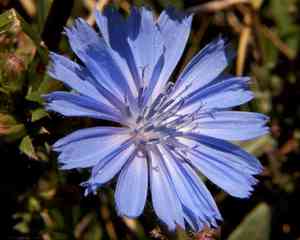
1
Direct sunlight is essential for the best development of Italian hawksbeard.
2
Italian hawksbeard can endure some shade, but its vigor may be reduced.
3
Signs of insufficient light involve fading colors and inhibited development.
Grasping Italian Hawksbeard's Light Needs
Ideal Illumination Conditions
For Italian hawksbeard to thrive, it's best to give it full sun exposure. This means the plant should ideally get over 6 hours of direct sunlight daily. In places where this isn't possible, partial sunâabout 3-6 hours of direct sunlightâcan be an acceptable substitute. However, growth might not be as robust or lush.
How Much Direct Sun?
The secret to a healthy Italian hawksbeard is ensuring it receives ample direct sunlight. Aim for at least 6 hours of direct sun. If growing outdoors, place it in a sunny spot, like a south-facing garden. For indoor growth, position it near a south or west-facing window to maximize light.
Dealing with Low Light
While some light is better than none, Italian hawksbeard may struggle in dim conditions. If your plant isn't doing well, consider supplemental lighting or moving it. Rooms with natural light for only a few hours won't suffice for this sun-loving plant. Always prioritize locations offering the longest daylight periods.
Recognizing Light Stress in Italian Hawksbeard
Signs of Excessive Sunlight
Even though Italian hawksbeard prefers lots of sun, too much can be detrimental. Signs of overexposure include scorched or bleached leaves, where foliage turns yellow or brown, becoming dry and brittle. Moving the plant to a slightly shadier spot or providing afternoon shade can help.
Signs of Insufficient Sunlight
Conversely, inadequate sunlight can also cause stress. Look for symptoms like leggy growthâwhere the plant stretches toward the light, thin stems, and pale green leaves. These indicate it's time to move your Italian hawksbeard to a brighter location. Ensuring enough light will restore the plant to optimal health.
Modifying Light Conditions for Italian Hawksbeard
Utilizing Shade Cloths or Curtains
If managing the amount of sunlight your Italian hawksbeard gets is difficult, consider using shade cloths or curtains. These are especially useful for outdoor plants and can help diffuse intense midday sun. They're also handy for windows that let in too much direct light, creating a controlled environment.
Repositioning the Plant
Sometimes, the easiest way to adjust light is to move the plant. For outdoor Italian hawksbeard, shift it to different garden areas based on seasonal sun changes. For indoor plants, try various windows and positions until you find the perfect spot that offers adequate light without overexposure.
Supplementing with Artificial Illumination
When natural light is limited, you can supplement with artificial grow lights. These lights can mimic the sun's spectrum, making them a valuable tool for indoor cultivation. Ensure lights are close enough for adequate levels, but not so close they cause heat stress.
Optimal Sunlight Exposure Practices Year-Round
Seasonal Light Adjustments
Natural daylight varies with the seasons. During short winter days, consider moving your Italian hawksbeard to the brightest spot indoors, or use artificial lights. In summer, ensure the plant isn't exposed to intense midday sun, which might require temporary shading.
Day Length Variations
As days lengthen or shorten, your plant's light exposure will naturally change. Monitor these shifts and adjust your Italian hawksbeard's location accordingly. In spring and fall, you might need to move the plant more often to ensure it gets sufficient light.
Specific Considerations for Indoor and Outdoor Italian Hawksbeard
Whether your Italian hawksbeard is indoors or outdoors, each has unique considerations. Outdoor plants face more extreme light and weather fluctuations, possibly needing protection like shading or windbreaks. Indoor plants may need rotation for even light distribution or occasional leaf dusting to maximize photosynthesis.



