Optimal Soil for Growing Scarlet hedgehog cactus: What You Need to Know
1
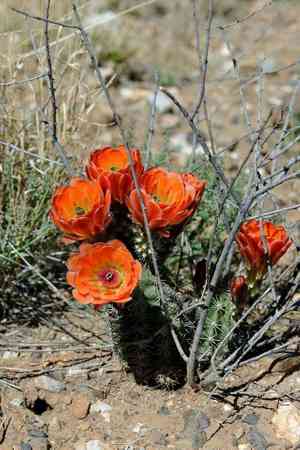
Scarlet hedgehog cactus flourishes in sandy, gravelly substrates that ensure superior water runoff.
2
Sustaining a soil pH level between 6 and 7.5 is vital for the robust development of Scarlet hedgehog cactus.
3
Disinfecting your growing medium prior to use helps avoid bringing in unwanted insects and pathogens.
Optimal Soil Types for Scarlet Hedgehog Cactus
Sandy Substrate
Sandy substrate is an excellent option for Scarlet hedgehog cactus. This soil type facilitates efficient water runoff, preventing moisture accumulation around the rootsâa crucial factor in avoiding root decay. Sandy soil is loose and aerated, allowing roots to expand easily and absorb nutrients effectively. When preparing a sandy mix at home, combine coarse sand with some rock fragments to mimic natural desert conditions.
Gravelly Substrate
Gravelly substrate, composed of small stones and coarse particles, is another suitable soil type for Scarlet hedgehog cactus. This substrate emulates the cactusâs native environment, providing superb drainage and aeration for the root system. Gravelly soil helps maintain a stable, warm setting, which is ideal for the cactus's development. Furthermore, it reduces the risk of harmful fungi and pests that thrive in damp conditions.
Perlite Additions
Incorporating perlite into your soil mix is an effective way to improve drainage and air circulation. Perlite is a lightweight volcanic glass that enhances soil structure without altering its natural composition. For Scarlet hedgehog cactus, adding perlite helps prevent compaction, keeping the soil airy and well-drained. A good proportion is to blend one part perlite with two parts of an appropriate soil mixture (e.g., sandy or gravelly soil).
Preparing Soil for Scarlet Hedgehog Cactus
Mixing Proportions
Crafting the ideal soil blend for Scarlet hedgehog cactus requires the correct ratios of various materials. A recommended mix is 50% coarse sand, 30% gravel or crushed stones, and 20% organic matter such as compost or peat moss. This proportion ensures excellent drainage while still supplying essential nutrients. Thoroughly mixing the components will provide a consistent medium for the cactus roots.
Soil Sterilization
Sterilizing soil is vital to prevent pests and diseases from affecting your Scarlet hedgehog cactus. You can sterilize soil by baking it in an oven at 180°F (82°C) for approximately 30 minutes or microwaving it in a safe container for 10 minutes. Sterilizing the soil eliminates harmful organisms and ensures a healthy growing environment for your cactus from the outset. Be sure to allow the soil to cool completely before use.
Soil pH Levels
The optimal pH range for Scarlet hedgehog cactus is between 6 and 7.5. Using a soil pH tester, you can confirm the soil is within the appropriate range. If your soil is too acidic, you can add lime to increase the pH. Conversely, if the soil is too alkaline, sulfur can help decrease the pH. Maintaining this balance is crucial for nutrient absorption and the overall health of your cactus.
Soil Conditions to Avoid for Scarlet Hedgehog Cactus
Heavy Clay Substrate
Heavy clay substrate retains too much water and is detrimental to Scarlet hedgehog cactus. This soil type can lead to waterlogged conditions and impede root growth, making it unsuitable for cacti that require well-draining soil. If your garden has significant clay content, consider amending it with coarse sand, gravel, or perlite to enhance drainage.
Poorly Draining Substrate
Poorly draining substrate can cause significant problems for Scarlet hedgehog cactus, including root rot and fungal infections. Ensure that the pot or planting area has excellent drainage by using containers with drainage holes and adding a layer of gravel at the bottom. Outdoor beds should be in elevated areas or mounds to encourage water runoff and prevent stagnation.
Excessive Organic Matter
While some organic matter is beneficial, an abundance of organic content can retain too much moisture, making it unfavorable for Scarlet hedgehog cactus. High organic matter can also lead to the proliferation of microorganisms that may harm the cactus. Stick to soil mixes with predominantly inorganic components like sand and gravel with minimal organic amendments.
FAQs Regarding Scarlet Hedgehog Cactus Soil
Can I Use Standard Potting Mix?
Standard potting mix is generally not appropriate for Scarlet hedgehog cactus as it holds too much moisture and lacks the necessary drainage. To adapt regular potting mix for use, you can blend it with equal parts of coarse sand or perlite to improve drainage and create a more suitable environment for your cactus.
How Often Should I Replace the Soil?
Replacing the soil every few years is a good practice to ensure your Scarlet hedgehog cactus maintains optimal growing conditions. Soil can become compacted and lose its drainage properties over time. Repotting your cactus with fresh soil mix revitalizes the root system and sustains a healthy growing environment.
Is Soil Fertilization Necessary?
Scarlet hedgehog cactus does benefit from occasional fertilization, particularly during its active growth period. Use a balanced, water-soluble cactus fertilizer diluted to half strength and apply it once a month from spring to early autumn. Be careful not to over-fertilize, as this can cause nutrient burn and harm the plant.



