Boost Growth: How and When to Repot Your Whorled pennywort Plant
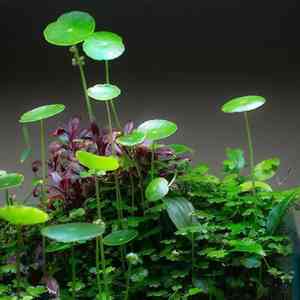
1
The best period to transplant Whorled pennywort is in spring or winter to encourage robust development.
2
Verify that the new container possesses sufficient drainage openings to avert excessive moisture.
3
Employ a potting medium that holds water yet permits proper runoff.
Determining the Ideal Time to Replant Whorled Pennywort
Recognize indicators that your Whorled pennywort requires a new container
Understanding when to transplant your Whorled pennywort is vital for its well-being and vibrant appearance. Look for cues such as roots emerging from drainage openings, reduced growth, or soil that dries out rapidly. These signals suggest the plant has outgrown its current vessel and needs a larger space for its root system to expand.
Optimal seasons for transplanting and why timing is important
Spring and winter are the best periods to replant your Whorled pennywort. During these times, the plant is either preparing for growth or in a dormant state, enabling it to better withstand the shock of repotting. Steer clear of transplanting during hot summer months or the coldest winter days, as extreme temperatures can add unnecessary strain to the plant.
Choosing the Perfect Pot and Growing Medium for Whorled Pennywort
Selecting the appropriate pot size and material for optimal development
Picking the correct pot is crucial. Opt for a container that is just one size larger (approximately 5 cm or 2 inches in diameter) than its current one. Ensure the pot has ample drainage holes to prevent water accumulation, which can lead to root rot. Terracotta or ceramic pots are excellent choices as they promote better air circulation to the roots.
The best soil mixture for robust roots
A well-balanced soil blend is essential for healthy root development. Aim for a potting mix that retains moisture yet drains effectively. A combination of standard potting soil with added perlite or sand works well. This mixture ensures the soil remains aerated and prevents water from collecting around the roots.
Detailed Instructions for Replanting Whorled Pennywort
Preparing your tools and workspace
Before you begin, gather all necessary implements including a new pot, fresh soil mix, a small shovel, and pruning shears. Cover your work area with newspapers or a gardening mat to ensure a cleaner and more organized process.
Gently extracting the plant from its current container
To remove your Whorled pennywort from its present pot, carefully tilt the container and support the plant's base. Gently tap the sides and bottom of the pot to loosen the soil. If the plant is resistant, you might need to use a small shovel to lightly separate the roots from the pot's edges.
Root pruning and inspection for peak health
Once the plant is out, inspect the roots. Healthy roots should be white or light brown and evenly distributed. Trim away any dark, soft, or decayed roots using the pruning shears. This encourages new, healthy root growth and prevents potential infections.
Positioning and securing the plant in its new container
Add a layer of fresh soil mix at the bottom of the new pot. Place the Whorled pennywort in the center, gently spreading its roots. Fill in around the plant with additional soil, pressing lightly to eliminate any air pockets. Ensure the plant is stable and standing upright.
Post-transplanting care recommendations
After replanting, water the plant thoroughly to help settle the soil. Keep the soil consistently moist but not waterlogged. Position the plant in a spot with bright, indirect sunlight and avoid fertilizing for the first few weeks to allow it to recover from the transplanting stress.
Common Problems and Solutions After Replanting
Recognizing signs of transplant shock in Whorled pennywort
Post-transplanting stress can appear as drooping foliage, yellowing, or slowed growth. It's normal for the plant to exhibit minor stress symptoms for a few days after repotting. However, persistent issues indicate the need for further care adjustments.
Tips for rapid recovery and adaptation
To help your Whorled pennywort recover quickly, maintain it in a stable environment with consistent temperatures. Ensure it receives adequate light and moisture. Avoid moving the plant frequently, as stability aids faster acclimation. If the leaves are severely drooping, mist them lightly to increase humidity.



