Boost Growth: How and When to Repot Your Parry's Agave Plant
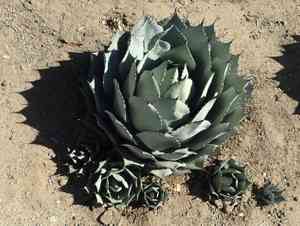
1
The best times to transplant Parry's Agave are during Spring and Winter.
2
Select a container that is slightly bigger than its present one, ensuring proper drainage.
3
Employ a coarse, well-draining soil blend for optimal development.
Why Replant Your Parry's Agave?
Understanding the growth pattern of Parry's Agave
Transplanting is a vital aspect of caring for your Parry's Agave. Comprehending its growth cycle aids in determining the optimal time for replanting. Similar to many succulents, Parry's Agave expands and develops slowly, yet its root system can eventually exceed its container. During its peak growth periodsâSpring and Winterâyour Parry's Agave will require more space and nutrients, making these the ideal times for repotting.
Recognizing indicators that your Parry's Agave needs a larger container
To maintain your Parry's Agave's vitality, observe for signs suggesting it might require a new pot. Key indicators include roots emerging from drainage holes, soil that dries out very rapidly, and noticeable overcrowding of the plant within its current pot. If your agave appears to be struggling, these clues imply it's time to consider transplanting.
Selecting the Appropriate Pot and Substrate for Parry's Agave
Choosing the perfect pot dimensions and material
When selecting a new container for your Parry's Agave, opt for one that is only a single size larger than its current one. This typically means a pot with a diameter approximately 2 inches (5 cm) wider. Materials such as terracotta or ceramic are excellent as they facilitate superior air circulation and moisture regulation. Ensure the pot possesses drainage holes to prevent water from accumulating at the base.
Crafting the ideal soil mixture for drainage and development
A well-draining soil blend is crucial for the well-being of Parry's Agave. You can formulate an optimal mix yourself by combining standard cactus soil with extra pumice or perlite to improve drainage. The coarse texture of pumice or perlite prevents soil compaction and ensures water flows freely, averting root rot.
Steps for Replanting Parry's Agave
Preparing your workspace and implements
Before commencing repotting, set up a clean area with all necessary tools. You'll need gloves, a small shovel, your new pot and soil mix, and possibly a knife or pruners for any root adjustments. A clean, flat surface will help manage the process with minimal mess.
Carefully extracting Parry's Agave from its current container
Gently tap the sides of the existing pot to loosen the soil. Carefully grasp the agave's base and tilt the pot to slide the plant out. Be mindful of the agave's sharp foliage during this procedure. If the plant is stuck, you can use a knife to loosen the soil around the edges.
Inspecting and trimming the root system if necessary
Examine the roots once your Parry's Agave is removed from its pot. Healthy roots appear pale or light-colored, whereas dead roots are dark and soft. Trim any dead or excessively long roots with clean pruners. This ensures your agave will fit comfortably in the new pot and have room to grow.
Placing Parry's Agave into the new container
Fill the bottom of the new pot with some soil mix. Position your Parry's Agave in the center and progressively fill around the roots with more soil. Aim to place the plant at the same depth it was in its previous pot. Press the soil gently but firmly to secure the plant.
Concluding steps: Irrigating and positioning your replanted Parry's Agave
Once repotting is finished, lightly water the soil to help it settle around the roots. Place the replanted agave in a location with bright, indirect sunlight. Avoid direct sun for a few days to allow the plant to adapt to its new pot.
Post-Repotting Care for Parry's Agave
Watering regimen and light exposure requirements
After transplanting, water your Parry's Agave sparingly. Succulents like agave thrive with less frequent irrigation. Allow the soil to completely dry out before the subsequent watering. Position your plant where it can receive bright, indirect sunlight for at least 6 hours daily.
Monitoring development and health after replanting
Observe your Parry's Agave closely in the weeks following repotting. Look for signs of stress such as yellowing leaves or drooping. If these issues arise, adjust the watering schedule or sunlight exposure. A healthy agave will exhibit new growth and maintain a robust, upright form.



