How to Prune Walter's viburnum?
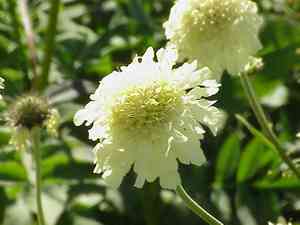
A compact, indigenous Florida shrub, Walter's Viburnum is recognized for its lustrous foliage and white springtime flowers. To manage its form and dimensions, trim Walter's Viburnum following its blooming period to prevent removing the subsequent season's flower buds. The ideal period for pruning is winter, which stimulates a burst of new growth in the spring. Periodically removing older branches improves light exposure and air movement, fostering more robust leaves and blossoms. While extensive pruning isn't essential, timely upkeep can deter excessive growth and sustain its aesthetic value.
Advantages of Trimming Walter's Viburnum
Advantages of Trimming Walter's Viburnum
Trimming walter's viburnum promotes more robust development and maintains its intended form. Strategic cutting encourages strong branching and a neat appearance â crucial for attractive landscaping and effective garden design.
Optimal Period for Trimming Walter's Viburnum
Optimal Period for Trimming Walter's Viburnum
Trimming walter's viburnum from late winter to early spring is ideal, as it precedes the spring growth surge. This timing allows for shaping the plant and removing any damaged or diseased branches before energy is directed to new growth. Pruning at this stage minimizes stress on walter's viburnum and reduces infection risk, as wounds heal faster during active growth. Additionally, since walter's viburnum typically blooms on old wood, late winter pruning ensures minimal disruption to the flowering season, preserving subsequent blooms. It's also easier to discern walter's viburnum's structure without leaves, aiding in precise cuts. Pruning outside this recommended window, especially during active growth or after bud formation, can hinder flowering and fruiting, disrupt its natural cycle, and potentially harm walter's viburnum's overall health.
Required Tools for Trimming Walter's Viburnum
Hand Pruners
For precise cuts on smaller branches and twigs of walter's viburnum, quality hand pruners are essential. They ensure a clean cut and support plant health by reducing damage.
Loppers
For branches thicker than hand pruners can manage, loppers are the preferred tool. Their extended handles provide leverage, making it easier and more efficient to cut through stems up to about 1.5 inches in diameter.
Pruning Saw
A pruning saw is recommended for the thickest branches, necessary for cutting through those over 1.5 inches in diameter. A saw helps prevent damage to walter's viburnum when removing large limbs.
Shears
To shape walter's viburnum and maintain a dense, appealing hedge, hedge shears or pneumatic shears offer a uniform cut to smaller branches and foliage.
Pole Pruner
If walter's viburnum has grown too tall to reach, pole pruners, which may include a saw or lopper on an extendable pole, enable pruning higher branches from ground level.
How to Trim Walter's Viburnum
Sanitizing Tools
Start by sterilizing your pruning shears or scissors. Clean the blades with isopropyl alcohol or a diluted bleach solution to prevent disease transmission to walter's viburnum during the pruning process.
Removing Withered Leaves
Carefully identify and remove any withered leaves from walter's viburnum. Snip the leaves at their base, where they meet the stem or branch, to encourage healthier growth and improve air circulation.
Eliminating Dead Branches
Inspect walter's viburnum for dead branches, which may appear dry, brittle, and lacking live foliage. Use your pruning tools to make clean cuts where dead tissue meets live tissue, being careful not to cut into the living branch.
Pruning Diseased Branches
Identify any branches on walter's viburnum showing signs of disease â discoloration, unusual growths, or decay. Prune these branches back to healthy tissue, making angled cuts to facilitate water runoff and promote healing.
Shaping The Plant
After removing withered leaves, dead, and diseased branches, lightly shape walter's viburnum as desired. Aim for a well-balanced structure that promotes good air flow and sun exposure, which helps maintain the plant's health and vigor.
Common Trimming Errors with Walter's Viburnum
Excessive Pruning
Removing too much foliage from walter's viburnum at once can shock the plant and hinder its growth.
Incorrect Cuts
Making jagged or torn cuts on walter's viburnum branches can introduce diseases and impede the healing process.
Neglecting Tool Hygiene
Not sterilizing pruning tools can spread disease between walter's viburnum plants or other species in the garden.
Pruning Wounded Wood
Cutting into diseased or damaged wood without removing the entire affected section can allow diseases to persist in walter's viburnum.
Ignoring Plant Shape
Pruning without considering the natural shape of walter's viburnum can result in a less aesthetically pleasing form and potentially harm the plant's health.
General Trimming Advice for Walter's Viburnum
Selective Thinning
Thin out walter's viburnum by removing specific branches to allow light and air circulation, which encourages healthy growth and flowering.
Clean Cuts
Make clean, angled cuts just above a bud or branch junction on walter's viburnum to promote proper healing and prevent water accumulation.
Tool Maintenance
Use sharp, clean pruning tools to ensure precise cuts and minimize damage to the walter's viburnum plant tissue.
Shaping Over Time
Gradually shape walter's viburnum over several seasons, rather than attempting to achieve the desired form in one pruning session.
Cutting Back
If rejuvenation is necessary, walter's viburnum can be cut back to a few inches above the ground to stimulate new, vigorous growth.



