How to Prune Rue-anemone?
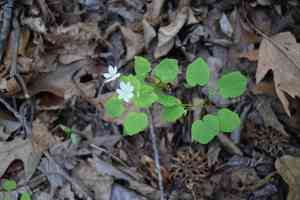
Recognized for its early spring blossoms and fine leaves, rue-anemone thrives with limited trimming. Removing faded flowers after their bloom period stimulates further flowering and hinders self-propagation. Cut away any lifeless or injured stems in late spring to preserve its appearance. While not essential for its well-being, gentle summer shaping improves air movement and discourages insect problems. The ideal time for pruning is after flowering until early summer, steering clear of winter when the plant is inactive. Pruning boosts the decorative value of rue-anemone.
What Are the Benefits of Pruning Rue-anemone?
What Are the Benefits of Pruning Rue-anemone?
Trimming rue-anemone promotes robust development and helps maintain its structure. By eliminating dead or crowded stems, the plant can direct more energy into producing strong foliage and blossoms.
What Is the Best Time for Pruning Rue-anemone?
What Is the Best Time for Pruning Rue-anemone?
Pruning rue-anemone in late spring and early summer is optimal as this timing coincides with the conclusion of its flowering cycle. Rue-anemone typically blooms in early spring, so waiting until after flowering helps prevent cutting off flower buds, preserving the plant's aesthetic appeal and natural rhythm. Furthermore, pruning during this period allows rue-anemone to recover and channel energy into new growth throughout the active season. This timing also avoids the risk of frost damage to fresh cuts that could occur if pruning is done in autumn or winter. Pruning in the specified seasons supports the plant's health by decreasing the likelihood of disease and pest infestation, which can be more common when new cuts are exposed during periods of high humidity or wet conditions typical of other seasons.
What Tools Do I Need to Prune Rue-anemone?
Bypass Pruners
Perfect for making precise cuts on rue-anemone's delicate stems, bypass pruners inflict minimal harm to the plant tissue, encouraging healthier regrowth.
Fine-Toothed Pruning Saw
Useful if rue-anemone has developed thicker, woodier stems that are too large for hand pruners to manage effectively.
Handheld Snips
Ideal for deadheading or trimming small, tender stems of rue-anemone's flowers without causing unnecessary damage to the surrounding foliage or blooms.
Pruning Shears
Suitable for thinning out dense areas and enhancing air circulation within rue-anemone, these shears offer precision for maintaining the plant's desired form.
How to Prune Rue-anemone
Identify diseased parts
Examine rue-anemone closely to find diseased and withered leaves, as well as any affected stems. Look for any signs of discoloration, spots, and damage from pests or diseases.
Disinfect tools
Before starting the pruning process, sanitize your pruning shears or scissors with a bleach or alcohol solution to prevent the spread of disease during trimming.
Cut diseased parts
Carefully remove the diseased and withered leaves just above the leaf node where they connect to the stem. For diseased stems, make a clean cut back to a healthy section, ensuring not to harm the main structure of rue-anemone.
Collect debris
Remove and dispose of all pruned material away from healthy plants to avoid contamination. Gather and destroy any fallen debris around rue-anemone to maintain cleanliness and prevent disease spread.
Clean up
After pruning, clean your tools again to eliminate any pathogens. Tidy the area around rue-anemone, providing appropriate care to encourage healthy new growth.
Common Pruning Mistakes with Rue-anemone
Overpruning
Removing too much foliage, which can stress rue-anemone and result in poor growth or reduced flowering.
Cutting healthy tissue
Unnecessarily pruning healthy leaves and stems, which can limit rue-anemone's energy for blooming.
Improper tool use
Using dull or dirty pruning tools can harm rue-anemone's delicate stems and potentially introduce disease.
Pruning at the wrong time
Although specific season information is omitted, it is vital to avoid pruning when rue-anemone is forming flower buds or during active growth periods.
Common Pruning Tips for Rue-anemone
Sanitization
Sterilize pruning tools before and after use to prevent the spread of disease to rue-anemone.
Prune for shape
Trim rue-anemone to maintain an appealing shape and size, but be careful to remove only small amounts at a time.
Deadheading
Remove spent flowers of rue-anemone to encourage more blooms and reduce self-seeding if not desired.
Cutting technique
Make clean, angled cuts on rue-anemone's stems to promote good health and reduce the chance of water accumulation and disease.
Discard debris
Clean up and discard pruned debris from around rue-anemone to help prevent the spread of pests and diseases.
Minimal intervention
Rue-anemone typically requires minimal pruning; focus on removing only dead or damaged growth to maintain plant health.



